

Common Barite Conveying Methods: An Introduction to Barite Pneumatic Conveying
Barite, a mineral widely used in various industrial applications such as oil drilling, medical imaging, and as a weighting agent in the chemical industry, requires efficient and reliable transportation methods to move it from production sites to processing facilities or end-users. The choice of conveying method significantly impacts operational efficiency, cost-effectiveness, and material integrity. This article explores common barite conveying methods, with a particular focus on pneumatic conveying, a technology that has become increasingly popular due to its advantages in handling fine powders like barite.
Understanding Barite and Its Conveying Requirements
Barite, chemically known as barium sulfate (BaSO₄), is a heavy, dense mineral with a high specific gravity. Its fine powder form, often produced through crushing and grinding processes, poses unique challenges for conventional bulk material handling. Traditional methods like belt conveyors or screw conveyors may struggle with dust generation, material segregation, and the risk of clogging, especially when dealing with fine barite powders. Therefore, specialized conveying systems are often required to ensure safe and efficient transport. The primary goal of any barite conveying system is to maintain material integrity, minimize dust exposure, and optimize the overall process flow.
Common Barite Conveying Methods
Several methods are employed for transporting barite, each with its own set of advantages and limitations. The most common approaches include:
Pneumatic Conveying: A Preferred Solution for Fine Barite
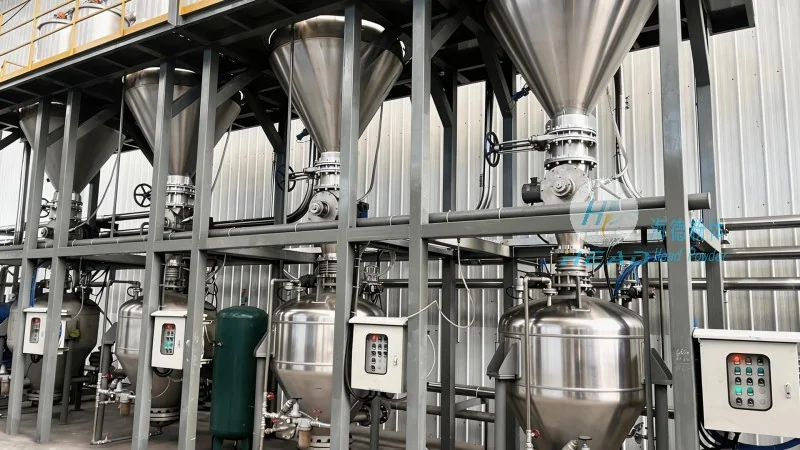
Pneumatic conveying, also known as air conveying, is a method that uses pressurized or vacuum air to transport dry powders like barite through a pipeline. This technology offers several benefits that make it particularly suitable for barite handling:
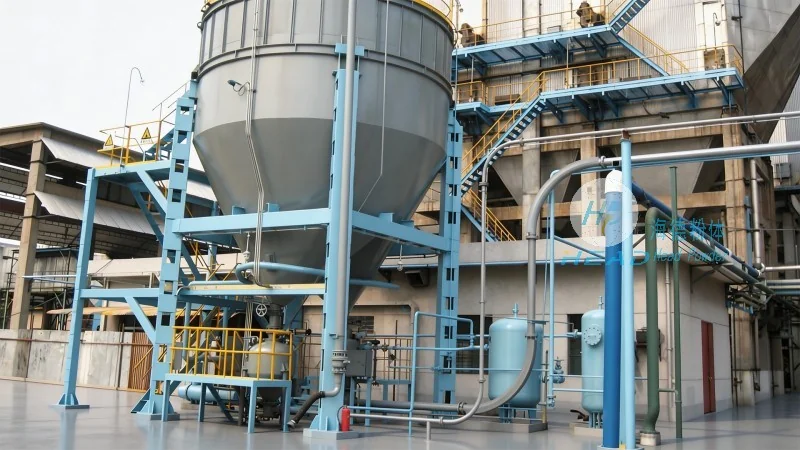
- Efficient Material Transport: Pneumatic systems can move barite over long distances with minimal loss of material, as the material is suspended in air and transported through a sealed pipeline.
- Reduced Dust Exposure: Unlike open systems, pneumatic conveying keeps the material enclosed, significantly reducing dust emissions and improving workplace safety.
- Flexibility in Layout: The system can be easily adapted to different plant layouts, allowing for vertical and horizontal transport without the need for complex equipment.
- Low Maintenance: Compared to mechanical systems, pneumatic conveyors have fewer moving parts, leading to lower maintenance costs and longer service life.
Components of a Barite Pneumatic Conveying System
A typical barite pneumatic conveying system consists of several key components that work together to ensure efficient operation. These include:
- Feeder: The feeder is responsible for feeding the barite into the conveying line at a controlled rate. For fine powders, a rotary valve or a star feeder is commonly used to prevent material buildup and ensure consistent flow.
- Pipeline: The pipeline is the main transport channel, typically made of stainless steel or other corrosion-resistant materials to withstand the abrasive nature of barite powder.
- Compressor or Vacuum Pump: This component provides the necessary air pressure or vacuum to move the material through the pipeline. The choice between positive pressure and negative pressure systems depends on the application and distance of transport.
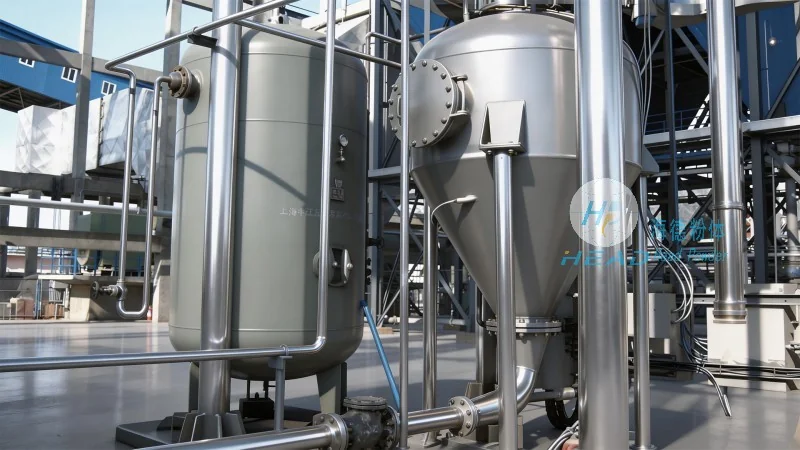
- Separators: Separators are used to separate the barite from the air at the end of the pipeline. This can be done using cyclone separators or bag filters, which collect the material and return it to the process while releasing clean air.
- Control System: Modern pneumatic conveying systems are equipped with advanced control systems that monitor pressure, flow rate, and material level, ensuring optimal performance and preventing system failures.
Applications of Barite Pneumatic Conveying
Barite pneumatic conveying is widely used in various industries where fine barite powders are processed. Some common applications include:
- Oil and Gas Industry: In oil drilling, barite is used as a weighting agent to increase the density of drilling fluids. Pneumatic conveying systems are used to transport barite from storage silos to the drilling site, ensuring a consistent supply of material.
- Medical Imaging: Barite is used in X-ray imaging as a contrast agent in barium meals. Pneumatic systems are employed to transport the fine barite powder from production to packaging and distribution facilities.
- Chemical Industry: In the production of barite-based chemicals, such as barium carbonate, pneumatic conveying is used to move raw materials and finished products between processing stages.
Advantages and Considerations for Barite Pneumatic Conveying
While pneumatic conveying offers numerous benefits, it also has some considerations that must be addressed. The main advantages include:
- High Efficiency: Pneumatic systems can transport large volumes of barite over long distances with minimal energy consumption compared to other methods.
- Material Integrity: The enclosed system prevents material degradation, moisture absorption, and contamination, which is crucial for high-quality barite products.
- Space Efficiency: The compact design of pneumatic conveyors allows for installation in limited spaces, making them suitable for existing facilities.
However, challenges such as pressure drop in long pipelines, the need for regular maintenance of air compressors, and the potential for air leakage must be managed effectively. Proper system design and regular maintenance are essential to ensure the long-term performance and reliability of barite pneumatic conveying systems.
Conclusion
Barite, with its diverse industrial applications, requires specialized and efficient conveying methods to meet the demands of modern production processes. Pneumatic conveying stands out as a preferred solution due to its ability to handle fine powders, maintain material integrity, and ensure safe operation. By understanding the components, advantages, and considerations of pneumatic conveying systems, industries can select the most suitable method for their barite handling needs. As technology advances, further improvements in pneumatic conveying systems are expected to enhance their efficiency and adaptability, making them an even more critical component in barite processing and transportation.