

How to Design a Reasonable Dust Pneumatic Conveying System Plan?
When designing a dust pneumatic conveying system, it is crucial to consider multiple factors to ensure efficiency, reliability, and cost-effectiveness. The process involves a systematic approach that addresses material characteristics, system requirements, and operational constraints. This guide will outline the key considerations and steps involved in creating a well-designed system.
Understanding Material Properties and System Requirements
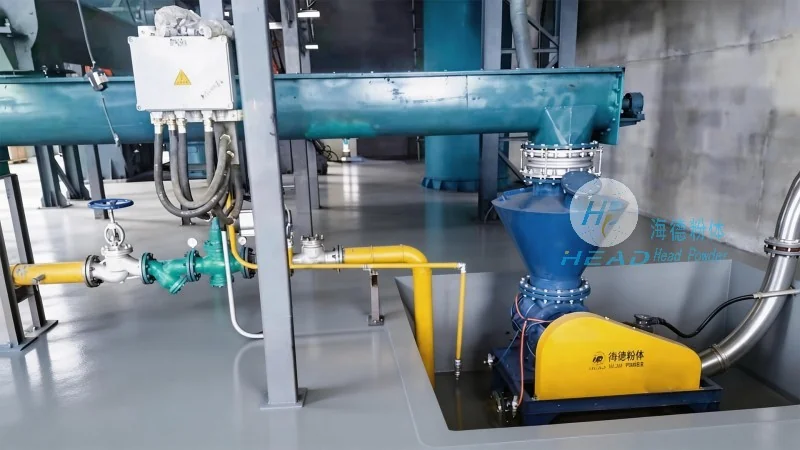
Before initiating the design process, it is essential to thoroughly analyze the properties of the dust material. Key parameters include particle size, density, moisture content, and flowability. These characteristics directly impact the choice of conveying method—whether positive pressure, negative pressure, or a hybrid system. Additionally, the system's capacity, distance of material transport, and required flow rate must be determined based on the specific application. For instance, materials with high moisture content may require pre-drying or special handling to prevent clogging or degradation during transport.
Choosing the Right Conveying System Type
Two primary types of pneumatic conveying systems are commonly used: positive pressure and negative pressure. Positive pressure systems use a blower to force air and material through the pipeline, while negative pressure systems use a vacuum to draw material into the system. The selection depends on the material's properties and the distance of transport. For long-distance or high-volume applications, positive pressure systems are often preferred due to their higher pressure capabilities and ability to handle abrasive materials. Conversely, negative pressure systems are suitable for short distances and materials that are sensitive to pressure or contamination. Shandong HeadPowder Engineering Co., Ltd. specializes in designing systems tailored to these specific needs, ensuring optimal performance for diverse industrial applications.
System Layout and Equipment Selection
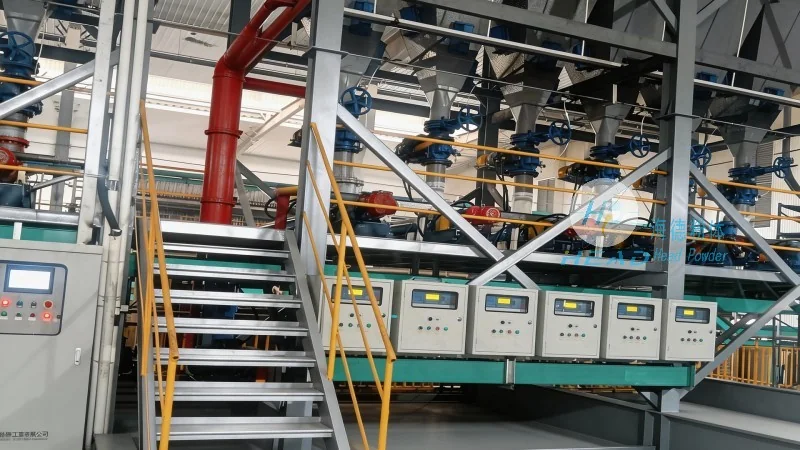
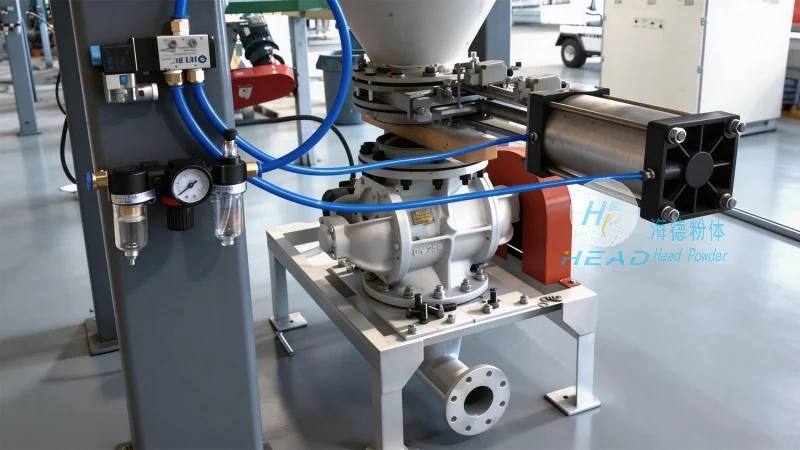
The layout of the pneumatic conveying system involves determining the placement of key components such as the material feed hopper, air supply unit (blower or vacuum pump), pipeline network, and discharge receiver. The pipeline design must consider factors like material flow direction, pressure drops, and potential for blockages. Equipment selection includes choosing appropriate blower types (centrifugal, regenerative, or rotary lobe), material feeders (vibratory or rotary), and control valves. The selection of these components is critical to the system's efficiency and longevity. For example, a rotary lobe blower is ideal for abrasive materials due to its high pressure and durability, while a centrifugal blower is suitable for lighter, non-abrasive materials. The company's expertise in equipment selection ensures that each component is matched to the specific material and operational requirements, minimizing downtime and maintenance costs.
Designing for Efficiency and Reliability
Efficiency in a dust pneumatic conveying system is achieved through proper system sizing, minimizing pressure losses, and optimizing material flow. Pressure drops in the pipeline are a major factor affecting system performance; therefore, selecting the right pipe diameter and material (e.g., stainless steel for corrosive materials) is essential. Additionally, incorporating features like in-line filters, cyclones, and check valves helps maintain system reliability by preventing clogging and ensuring smooth operation. Regular maintenance, such as cleaning filters and checking blower performance, is also crucial for long-term system efficiency. Shandong HeadPowder Engineering Co., Ltd. emphasizes proactive maintenance planning and provides comprehensive support to ensure systems operate at peak performance, reducing operational costs and increasing productivity.
Integration with Industrial Processes
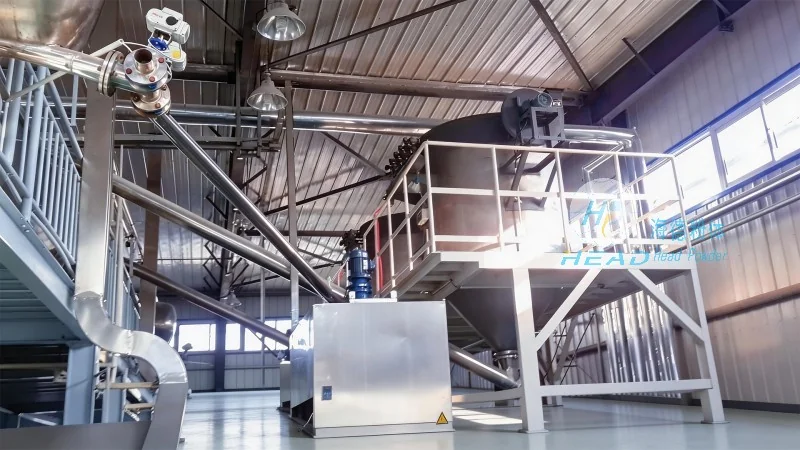
A well-designed dust pneumatic conveying system should seamlessly integrate with existing industrial processes. This involves coordinating with other equipment, such as storage silos, processing units, and packaging machinery. The system must be compatible with the flow rates and pressure levels of adjacent equipment to avoid disruptions. For example, in a food processing facility, the conveying system must meet sanitary standards and handle materials without contamination. The company's experience in integrating systems with various industrial applications ensures that the design aligns with the client's operational workflow, enhancing overall process efficiency.
Conclusion and Company Expertise
Designing a reasonable dust pneumatic conveying system requires a comprehensive understanding of material properties, system requirements, and operational constraints. By following a systematic approach and leveraging expert knowledge, companies can achieve efficient, reliable, and cost-effective material transport solutions. Shandong HeadPowder Engineering Co., Ltd., with its focus on tailored system design and robust equipment selection, provides comprehensive solutions for diverse industrial needs. The company's commitment to quality and customer satisfaction ensures that clients receive systems that meet their specific requirements and contribute to improved operational performance.