

How to Design a Rational Millet Pneumatic Conveying System Plan?
When designing a millet pneumatic conveying system, it is crucial to consider several key factors to ensure efficiency, reliability, and cost-effectiveness. The system must be tailored to the specific characteristics of millet, such as its bulk density, flowability, and potential for dust generation. A well-designed system can significantly improve material handling processes in agricultural and food processing operations.

Key Design Considerations for Millet Pneumatic Conveying
Several critical aspects must be addressed during the design phase. First, the type of pneumatic conveying system—whether it is a pressure or vacuum system—needs to be determined based on the application requirements. Pressure systems are often preferred for long-distance or high-capacity conveying, as they can handle larger volumes and maintain consistent flow. Vacuum systems, on the other hand, are suitable for shorter distances or when the material needs to be drawn from multiple sources.
Second, the selection of the appropriate air velocity is vital. The air velocity must be high enough to overcome the frictional resistance of the material in the pipeline but not so high as to cause excessive wear on the system components or generate too much dust. For millet, a typical air velocity range is between 20 to 30 meters per second, depending on the system configuration and the desired conveying distance.
Third, the design of the pipeline layout is essential. The pipeline should be as straight as possible to minimize pressure losses and reduce the risk of material buildup or blockages. Elbows, bends, and transitions should be minimized, and any necessary fittings should be carefully selected to maintain the system's efficiency. Additionally, the pipeline should be properly supported to prevent sagging, which could lead to material accumulation and system failure.
Component Selection and System Integration
Choosing the right components is another critical step in designing a millet pneumatic conveying system. The system typically includes a blower or compressor, a hopper or feeder, a pipeline network, and a receiver or discharge unit. The blower or compressor must be capable of generating the required pressure or vacuum, and its capacity should match the system's flow rate and pressure drop. For millet, a positive displacement blower is often preferred due to its ability to maintain consistent pressure and handle abrasive materials.
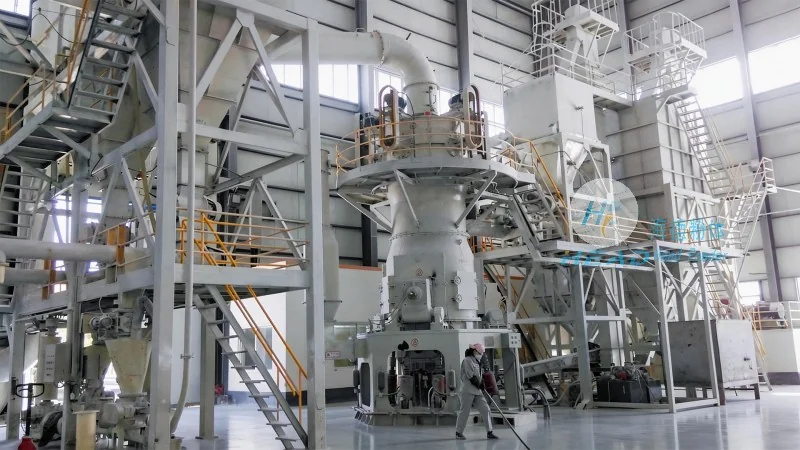
The hopper or feeder is responsible for feeding the millet into the system. It should be designed to prevent material bridging or clogging, which can disrupt the flow. A well-designed feeder can ensure a steady and controlled flow of material, reducing the risk of surges or interruptions. The receiver or discharge unit should be equipped with a dust collection system to prevent environmental contamination and protect the surrounding equipment.
Addressing Specific Challenges in Millet Handling
Millet has unique handling characteristics that require special attention. For example, millet is prone to generating dust, which can affect the system's performance and pose health risks. Therefore, incorporating a dust suppression system, such as a cyclone separator or a baghouse filter, is essential. These systems help to capture and remove dust particles from the air stream, improving air quality and protecting the equipment.
Another challenge is the potential for material segregation or separation during conveying. To mitigate this, the system can be designed with a mixing section or a vibrating feeder to ensure that the millet remains well-mixed throughout the process. This helps to maintain consistent product quality and prevent the formation of clumps or agglomerates.
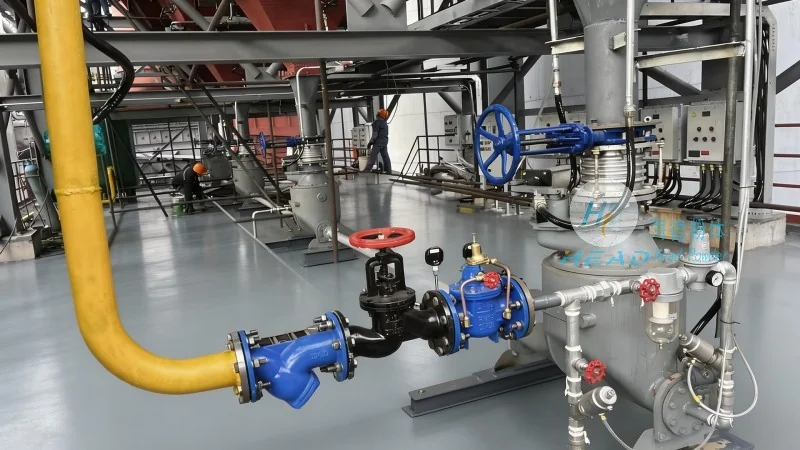
Case Study: A Successful Millet Pneumatic Conveying System Implementation
Shandong HeadPowder Engineering Co., Ltd., a leading provider of material handling solutions, recently completed a project for a large agricultural processing facility. The client required a pneumatic conveying system to transport millet from storage silos to a processing plant over a distance of 150 meters. The system was designed using a pressure-type configuration with a positive displacement blower, a stainless steel pipeline network, and a cyclone dust collector.
The system was successfully installed and commissioned, achieving a conveying capacity of 10 tons per hour with a pressure drop of less than 0.5 bar. The client reported significant improvements in operational efficiency, reduced labor costs, and improved product quality. The system has been in continuous operation for over a year, with minimal maintenance requirements, demonstrating the effectiveness of the design.
Conclusion and Recommendations
Designing a rational millet pneumatic conveying system requires a thorough understanding of the material's properties, the application requirements, and the available technology. By considering factors such as system type, air velocity, pipeline design, and component selection, engineers can develop a system that is efficient, reliable, and cost-effective. It is also important to work with experienced professionals, such as those at Shandong HeadPowder Engineering Co., Ltd., who can provide expert guidance and ensure that the system meets all regulatory and safety standards.
For businesses looking to improve their millet handling processes, investing in a well-designed pneumatic conveying system can yield significant returns. By selecting the right components and following best practices, companies can enhance productivity, reduce downtime, and maintain product quality. Shandong HeadPowder Engineering Co., Ltd. offers comprehensive design, manufacturing, and installation services to help clients achieve their material handling goals.