

How to Design a Rational Calcium Carbide Slag Pneumatic Conveying System Plan
When it comes to handling calcium carbide slag in industrial settings, the choice of a pneumatic conveying system is crucial for efficiency, safety, and operational longevity. A well-designed system not only optimizes material transport but also minimizes environmental impact and operational costs. This article outlines the key considerations and steps involved in designing a rational calcium carbide slag pneumatic conveying system, presented by Shandong HeadPowder Engineering Co., Ltd., a leading provider in the field.

Understanding the Core Requirements of Calcium Carbide Slag
Calcium carbide slag, a byproduct of the calcium carbide production process, presents unique challenges due to its chemical and physical properties. It is typically a fine, abrasive material with high moisture content in some cases, which can affect the performance of conventional conveying methods. The first step in system design is to thoroughly analyze the slag's characteristics, including particle size distribution, moisture level, and chemical composition. This information is vital for selecting the appropriate pneumatic conveying technology and equipment.
Types of Pneumatic Conveying Systems for Calcium Carbide Slag
There are primarily two types of pneumatic conveying systems used for handling calcium carbide slag: dilute-phase and dense-phase systems. Dilute-phase systems use high-velocity air to transport material in a dispersed state, suitable for long-distance and high-capacity applications. Dense-phase systems, on the other hand, use lower air velocities and higher material concentrations, which is ideal for handling abrasive or sensitive materials like slag. The selection between these systems depends on factors such as the distance to be covered, the required capacity, and the material's properties. Shandong HeadPowder Engineering Co., Ltd. specializes in customizing systems based on these specific requirements to ensure optimal performance.
Key Design Considerations for a Successful System
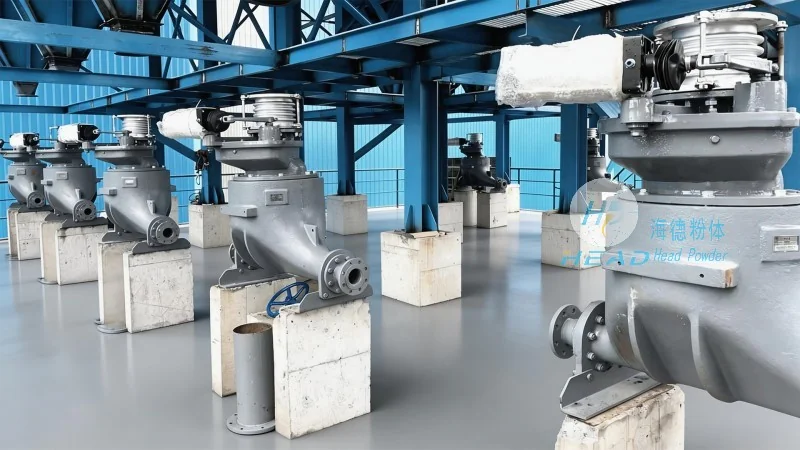
Designing a pneumatic conveying system for calcium carbide slag involves several critical factors. First, the system's capacity must be matched to the production rate of the slag. Under-sizing can lead to system bottlenecks and inefficiencies, while over-sizing increases capital and operational costs. Second, the air flow rate and pressure must be carefully calculated to maintain the desired conveying velocity without causing excessive wear on components. This requires accurate knowledge of the material's flow properties and the system's pressure drop characteristics. Third, material handling equipment such as hoppers, feeders, and pipelines must be selected to withstand the abrasive nature of the slag. High-quality materials like stainless steel or specialized coatings are often used to prevent corrosion and wear. Additionally, the system's integration with existing infrastructure, including storage and processing facilities, must be considered to ensure seamless operation.
Equipment Selection and Installation
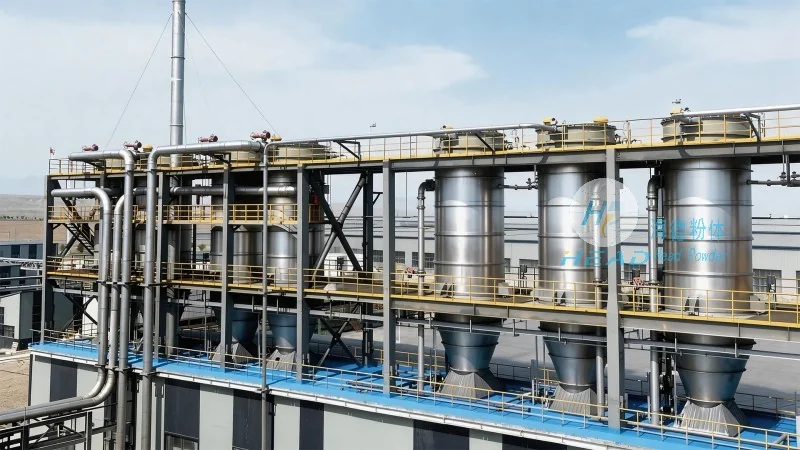
HeadPowder Engineering Co., Ltd. emphasizes the importance of selecting high-quality equipment for calcium carbide slag pneumatic conveying systems. The company's expertise lies in matching the right components, such as air compressors, dust collectors, and material feeders, to the specific application. For example, air compressors with variable speed drives can adjust the air flow to match the material feed rate, improving energy efficiency. Dust collectors are critical for maintaining air quality and complying with environmental regulations. The installation of the system, including pipeline layout and component placement, is also a key factor in system performance. Properly designed pipelines minimize pressure losses and ensure consistent material flow. Shandong HeadPowder Engineering Co., Ltd. provides comprehensive support from initial design to installation, ensuring that the system meets all operational and safety standards.
Maintenance and Operational Best Practices
Once the calcium carbide slag pneumatic conveying system is operational, regular maintenance is essential to ensure long-term performance. This includes monitoring air pressure and flow rates, inspecting equipment for wear and corrosion, and cleaning the system to prevent material buildup. HeadPowder Engineering Co., Ltd. offers maintenance services and training to help clients optimize their system's performance and extend its lifespan. Additionally, implementing operational best practices, such as proper material feeding and system start-up procedures, can significantly reduce downtime and maintenance costs. By following these guidelines, industrial facilities can achieve efficient and reliable transport of calcium carbide slag, enhancing overall operational efficiency.
Conclusion
Designing a rational calcium carbide slag pneumatic conveying system requires a thorough understanding of the material's properties, the available technology, and the specific operational requirements. Shandong HeadPowder Engineering Co., Ltd. combines technical expertise with practical experience to deliver customized solutions that meet the unique needs of each client. By focusing on key design considerations, appropriate equipment selection, and proper maintenance, industrial facilities can achieve efficient, safe, and cost-effective transport of calcium carbide slag. The company's commitment to quality and customer satisfaction ensures that clients receive systems that not only meet current standards but also adapt to future operational needs.