

How to Design a Reasonable Mica Sand Pneumatic Conveying System Plan?
When it comes to designing an efficient and reliable mica sand pneumatic conveying system, the expertise of a professional engineering firm like Shandong HeadPowder Engineering Co., Ltd. is invaluable. Based in Shandong, China, this company specializes in providing tailored solutions for material handling systems, ensuring that clients receive systems that meet their specific operational needs while optimizing performance and minimizing costs.
Understanding the Core Requirements for Mica Sand Pneumatic Conveying
Before diving into the design process, it is crucial to conduct a thorough analysis of the mica sand characteristics and the operational demands of the application. Mica sand, known for its unique properties such as high specific gravity and abrasive nature, requires specialized handling to prevent equipment wear and ensure consistent flow. Key factors to consider include the particle size distribution, moisture content, and the desired conveying distance and throughput. These parameters directly influence the selection of the conveying method—whether it is a positive pressure system, negative pressure system, or a hybrid approach. A positive pressure system, where air is blown into the system to move the material, is often preferred for mica sand due to its ability to handle abrasive particles and maintain consistent flow rates. The choice of system type will dictate the subsequent design considerations, including the pressure levels, air flow rates, and the type of equipment needed.
System Layout and Equipment Selection
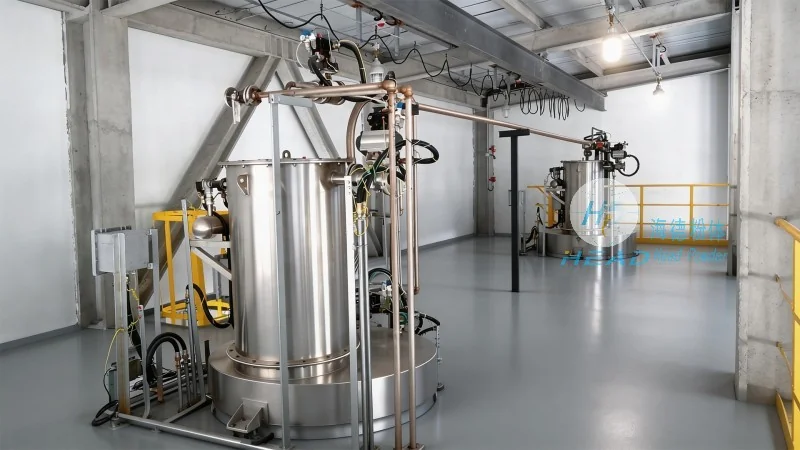
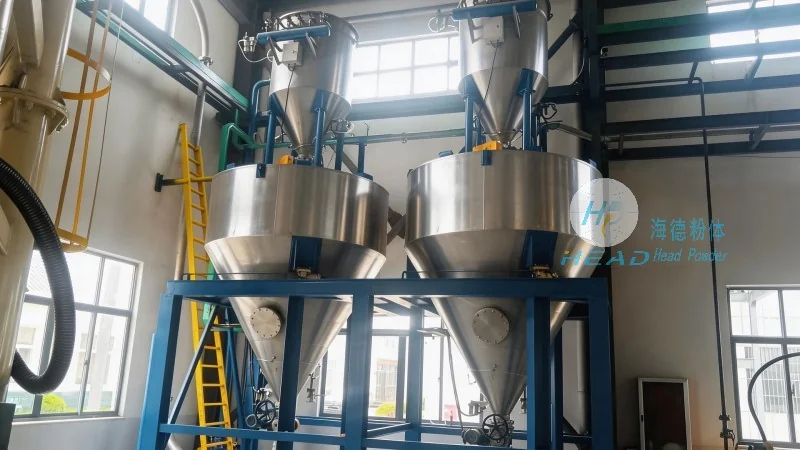
Once the operational requirements are defined, the next step is to design the system layout. This involves determining the optimal placement of key components such as the material feed hopper, the air supply system (including blowers and filters), the conveying pipelines, and the receiving hopper or storage silo. The layout must be designed to minimize pressure losses and ensure smooth material flow. For mica sand applications, the feed hopper is typically equipped with a vibratory feeder or a rotary valve to provide a consistent feed rate, preventing blockages and ensuring uniform material discharge. The air supply system, often consisting of high-efficiency blowers and air filters, is critical to maintaining clean air and preventing dust contamination. The conveying pipelines are usually made of corrosion-resistant materials like stainless steel or polyethylene to withstand the abrasive nature of mica sand and to ensure long-term durability. The system may also include a dust collection and filtration system to comply with environmental regulations and maintain air quality in the workplace.
Pressure Control and Flow Optimization
Effective pressure control is a critical aspect of mica sand pneumatic conveying system design. The pressure levels must be carefully managed to ensure that the material is conveyed efficiently without causing excessive wear on the equipment or damaging the pipelines. The use of pressure sensors and control valves allows for real-time monitoring and adjustment of the air pressure, ensuring that the system operates within optimal parameters. Flow optimization techniques, such as adjusting the air flow rate and the feed rate, help to maintain a consistent material flow and prevent surges or blockages. In addition, the inclusion of surge hoppers or buffer tanks can help to stabilize the flow and reduce the impact of variations in feed rate. These measures not only improve the system's performance but also extend the lifespan of the equipment and reduce maintenance costs.
Material Handling and Equipment Maintenance
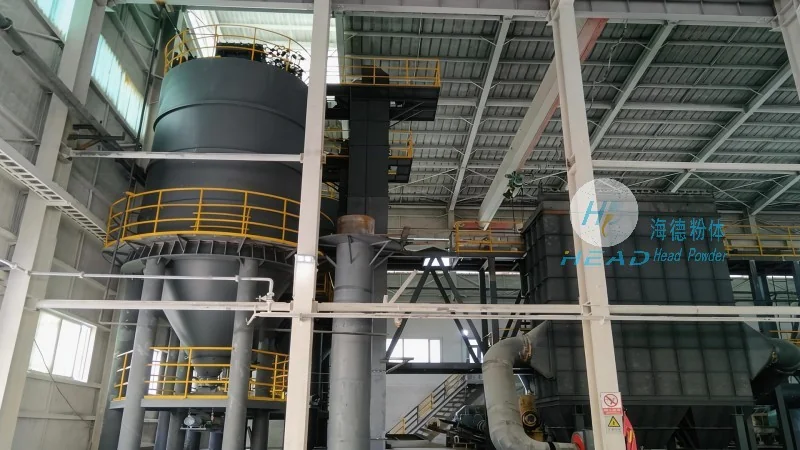
Proper material handling and regular maintenance are essential for the long-term reliability of a mica sand pneumatic conveying system. The abrasive nature of mica sand means that components such as pipelines, valves, and separation equipment are subject to higher wear rates. Therefore, the selection of wear-resistant materials and components is crucial. For example, the use of lined pipelines or the application of anti-wear coatings can significantly extend the service life of the system. Regular maintenance, including cleaning of filters, inspection of pipelines for blockages or wear, and replacement of worn parts, is necessary to maintain the system's efficiency. A well-designed maintenance plan, developed in conjunction with the engineering firm, can help to minimize downtime and ensure that the system operates at peak performance.
Environmental and Safety Considerations
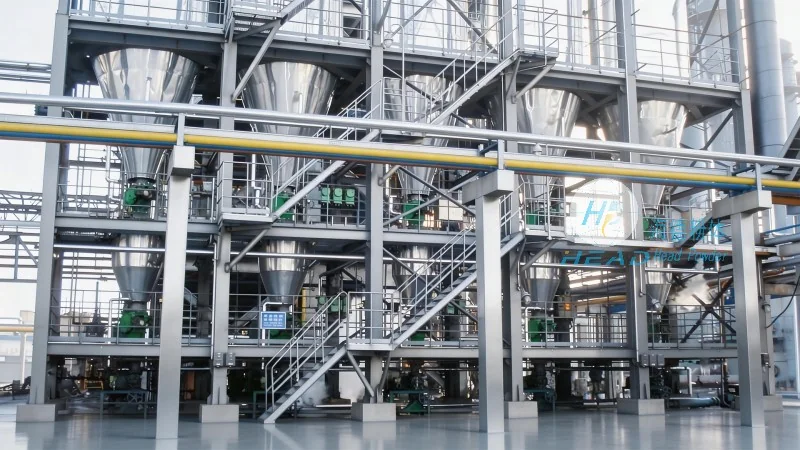
When designing a mica sand pneumatic conveying system, environmental and safety considerations must not be overlooked. The system must be designed to comply with local environmental regulations regarding dust emissions and air quality. This may involve the use of high-efficiency dust collectors and filtration systems to capture and remove dust particles from the air stream. Additionally, safety measures such as explosion-proof components, proper grounding, and emergency shut-off systems are essential to protect personnel and equipment from potential hazards. The engineering firm, Shandong HeadPowder Engineering Co., Ltd., adheres to strict safety standards and incorporates these measures into the design of all systems, ensuring that clients receive not only efficient but also safe and environmentally compliant solutions.
Conclusion: Partnering with an Expert for Optimal System Design
Designing a reasonable mica sand pneumatic conveying system requires a comprehensive approach that considers the unique properties of the material, the operational requirements, and the need for long-term reliability and efficiency. By partnering with a professional engineering firm like Shandong HeadPowder Engineering Co., Ltd., clients can ensure that their system is designed to meet their specific needs while optimizing performance and minimizing costs. The expertise of such firms, combined with their experience in handling abrasive materials like mica sand, provides a solid foundation for creating a system that is both effective and durable. Whether it is a new installation or an upgrade to an existing system, the guidance of an expert can make a significant difference in the success of the project.