

How to Design a Reasonable Desulfurizer Pneumatic Conveying System Plan?
When designing a pneumatic conveying system for desulfurizer, it is crucial to consider multiple factors to ensure efficiency, reliability, and cost-effectiveness. The system plays a vital role in the transportation of desulfurizer materials from storage to processing units, and a well-designed plan can significantly enhance operational performance. This article will outline the key considerations and steps involved in creating a reasonable desulfurizer pneumatic conveying system plan, with a focus on practical implementation and optimal performance.
Key Components of a Desulfurizer Pneumatic Conveying System
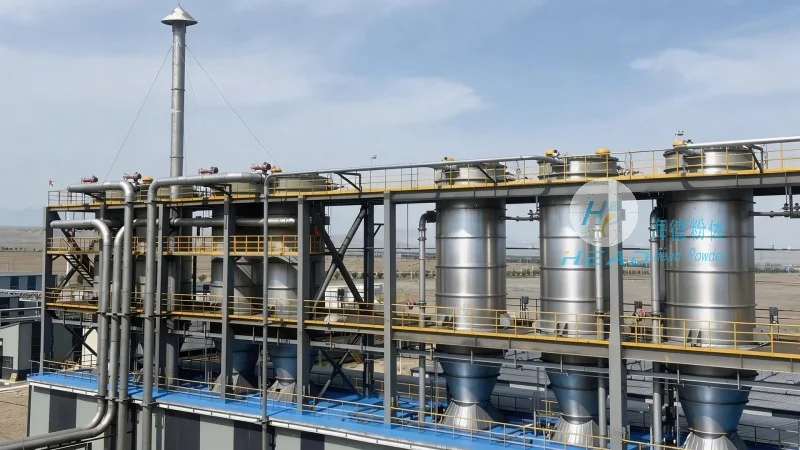
A typical desulfurizer pneumatic conveying system consists of several essential components that work in tandem to facilitate material transport. These components include the material feed hopper, conveyor pipeline, air supply system (blower or compressor), control valves, and material discharge equipment. Each component must be carefully selected and integrated to meet the specific requirements of the desulfurizer material, such as particle size, moisture content, and bulk density. The feed hopper is responsible for storing and feeding the desulfurizer into the system, while the pipeline conveys the material under pressure. The air supply system generates the necessary airflow to move the material through the pipeline, and control valves regulate the flow rate and pressure. The discharge equipment then delivers the desulfurizer to the processing unit or storage area. Proper selection of these components is critical to prevent issues like blockages, pressure loss, or material degradation during transport.
Design Considerations for System Efficiency
Efficiency is a primary goal when designing a desulfurizer pneumatic conveying system. Several factors must be evaluated to achieve optimal performance. First, the material characteristics, including particle size distribution, moisture content, and bulk density, must be thoroughly analyzed. These properties directly impact the required air velocity and pressure to move the material. For example, larger or more cohesive particles may require higher air velocities to prevent settling or blockages. Moisture content can affect the material's flowability and may necessitate drying or conditioning steps before transport. Bulk density influences the system's capacity and energy consumption, as higher density materials may require more air to achieve the desired flow rate. Additionally, the system's layout and pipeline configuration should be optimized to minimize pressure losses and reduce energy consumption. This includes selecting appropriate pipe diameters, using smooth pipe surfaces to reduce friction, and avoiding sharp bends or restrictions that could cause turbulence or blockages. Proper system sizing, based on the material flow rate and required pressure, ensures that the air supply system operates within its optimal range, preventing overloading or underperformance.
Selection of Air Supply Equipment
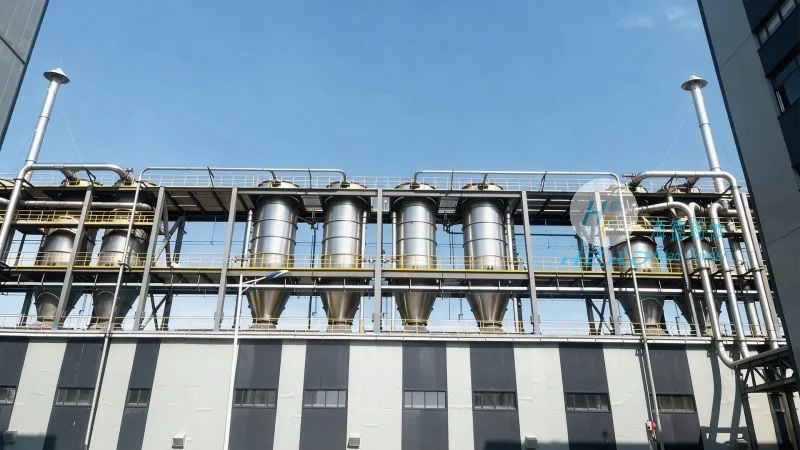
The air supply equipment is a critical component of the desulfurizer pneumatic conveying system, as it provides the necessary airflow to move the material. Two main types of air supply equipment are commonly used: blowers and compressors. Blowers are typically preferred for pneumatic conveying applications due to their lower operating costs and higher efficiency at lower pressures. They are available in various types, such as centrifugal or positive displacement blowers, each with its own advantages and limitations. Centrifugal blowers are suitable for high-volume, low-pressure applications and are generally more reliable and easier to maintain. Positive displacement blowers, on the other hand, are better suited for high-pressure, low-volume applications and can handle more abrasive or corrosive materials. The selection of the air supply equipment depends on the system's pressure requirements, flow rate, and the material's characteristics. For example, if the system requires high pressure to transport large particles or over long distances, a positive displacement blower may be more appropriate. Conversely, for low-pressure, high-volume transport of fine particles, a centrifugal blower is often more cost-effective. The air supply equipment must also be matched with the system's control system to ensure smooth operation and prevent overpressure or underpressure conditions. Proper maintenance of the air supply equipment is essential to maintain system efficiency and longevity.
Control and Monitoring Systems
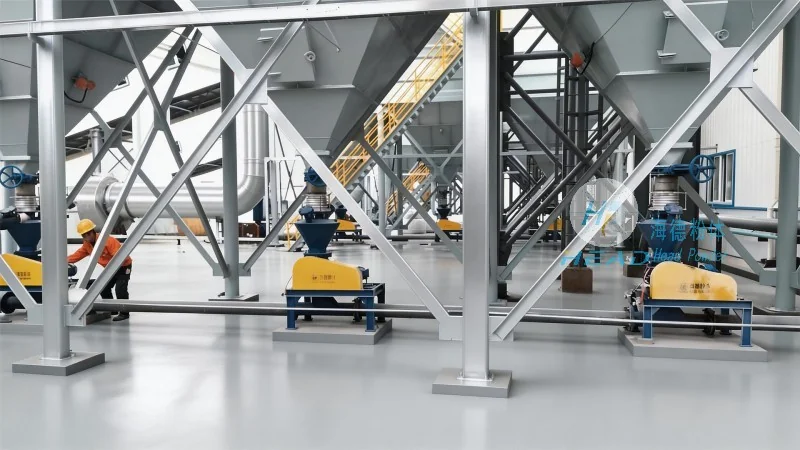
Effective control and monitoring systems are essential for maintaining the performance and reliability of a desulfurizer pneumatic conveying system. These systems help to regulate the flow rate, pressure, and air supply, ensuring that the system operates within safe and efficient parameters. Control valves, such as butterfly or globe valves, are used to adjust the airflow and pressure in the system. These valves can be manually operated or automated, depending on the system's requirements. Automated control systems, such as programmable logic controllers (PLCs), can provide real-time monitoring and adjustment of the system's parameters. These systems can detect changes in pressure, flow rate, or material level and adjust the air supply or valve positions accordingly. This helps to prevent issues like overpressure, underflow, or blockages, which can lead to system downtime or material damage. Additionally, monitoring systems, such as pressure gauges, flow meters, and level sensors, provide valuable data on the system's performance. This data can be used to optimize the system's operation, identify potential problems, and schedule maintenance. Proper integration of control and monitoring systems ensures that the desulfurizer pneumatic conveying system operates smoothly and reliably, minimizing downtime and maximizing efficiency.
Installation and Maintenance Considerations
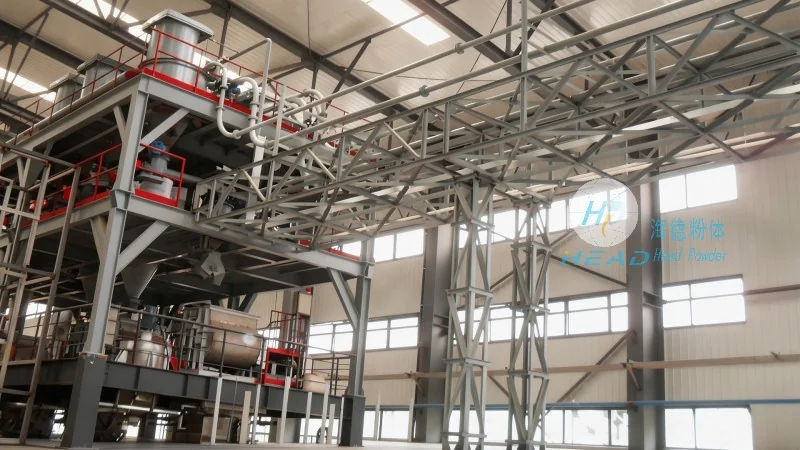
Proper installation and regular maintenance are crucial for the long-term performance and reliability of a desulfurizer pneumatic conveying system. During installation, it is important to ensure that all components are properly aligned and secured to prevent vibrations or leaks. The pipeline should be installed with appropriate supports and slopes to facilitate material flow and prevent settling or blockages. For example, horizontal pipelines should be slightly inclined to allow gravity-assisted flow, while vertical pipelines should be equipped with appropriate check valves to prevent backflow. The air supply equipment and control systems should be installed in a location that allows easy access for maintenance and monitoring. Regular maintenance is essential to keep the system operating at optimal performance. This includes cleaning the pipeline and components to remove accumulated material, inspecting the air supply equipment for wear or damage, and checking the control systems for proper operation. Maintenance schedules should be established based on the system's usage and the material's characteristics. For example, systems handling abrasive or corrosive materials may require more frequent maintenance to prevent component wear. Proper maintenance can significantly extend the system's lifespan and reduce the risk of failures or downtime. Additionally, training operators on the proper operation and maintenance of the system is essential to ensure safe and efficient operation.
About Shandong HeadPowder Engineering Co., Ltd.
Shandong HeadPowder Engineering Co., Ltd., commonly known as HeadPowder, is a leading provider of engineering solutions for material handling systems, including pneumatic conveying systems for desulfurizer applications. With years of experience in the industry, HeadPowder specializes in designing and manufacturing customized solutions tailored to the specific needs of its clients. The company's team of experienced engineers and technicians work closely with clients to understand their requirements and develop effective solutions. HeadPowder's commitment to quality and innovation has made it a trusted partner in the industry, providing reliable and efficient material handling systems for various applications. The company's headquarters is located in Shandong, China, and it serves clients both domestically and internationally. HeadPowder's expertise in pneumatic conveying systems, combined with its focus on customer satisfaction, makes it an ideal choice for companies seeking to improve their material handling operations. Whether it's a new system installation or an upgrade to an existing system, HeadPowder offers comprehensive solutions that meet the highest standards of performance and reliability.