

How to Design a Rational Dry Desulfurizer Pneumatic Conveying System Plan?
When it comes to the design of a dry desulfurizer pneumatic conveying system, selecting the right approach is crucial for ensuring efficiency, reliability, and cost-effectiveness in industrial applications. This article provides a comprehensive guide to help engineers and facility managers understand the key considerations and steps involved in creating an optimal system plan.
Understanding the Core Components of a Dry Desulfurizer Pneumatic Conveying System
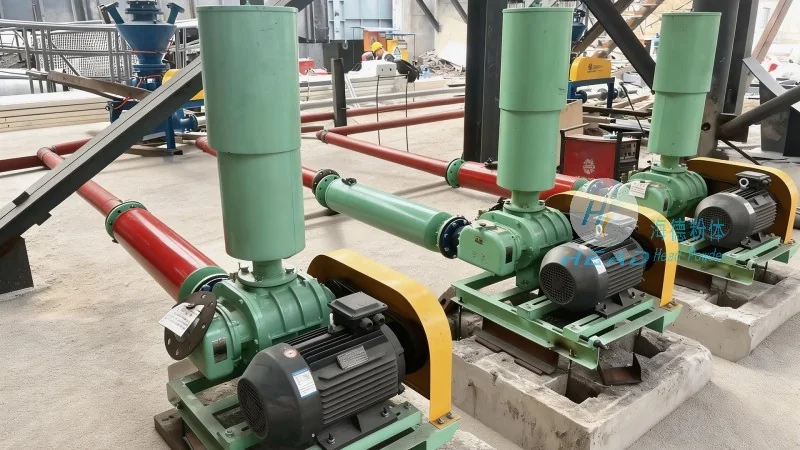
A dry desulfurizer pneumatic conveying system typically consists of several critical components that work in tandem to transport desulfurizer materials. These components include the desulfurizer storage silo, a conveying line (often equipped with a blower or air compressor), a dust collection system, and a discharge hopper or receiver. Each component plays a vital role in maintaining the system's performance and preventing issues such as blockages or material degradation.
Key Design Considerations for Optimal Performance
Several factors must be carefully evaluated during the design phase to ensure the system operates efficiently. First, the material characteristics of the dry desulfurizer are paramount. Properties like particle size, density, moisture content, and flowability directly impact the choice of conveying method and equipment. For example, cohesive or fine particles may require a higher air velocity or specialized equipment like a positive pressure system to prevent clogging.
Second, the system's layout and the distance between the storage and discharge points are critical. The length and elevation changes of the conveying line affect the required air pressure and power consumption. Engineers must calculate the necessary air volume and pressure to overcome friction losses and gravitational forces, ensuring the material is transported smoothly without excessive energy use.
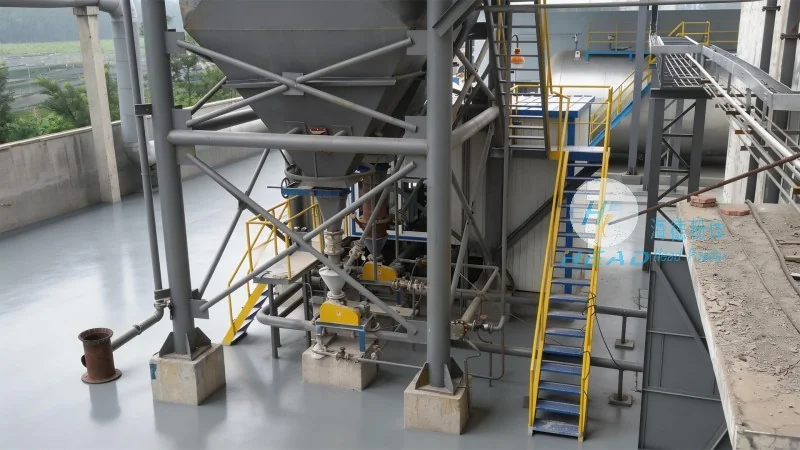
Third, the selection of the air handling equipment is a key decision. Blowers or air compressors must be sized appropriately to provide sufficient airflow while maintaining energy efficiency. The choice between positive and negative pressure systems also depends on the application. Positive pressure systems are common for transporting dry desulfurizer from a silo to a reactor, as they can handle longer distances and higher elevations more effectively.
System Sizing and Capacity Planning
Accurately determining the system's capacity is essential to meet operational demands without over-engineering or under-provisioning. This involves calculating the required throughput based on the plant's desulfurization capacity and the frequency of material replenishment. The design must account for peak loads and potential downtime for maintenance or cleaning, ensuring the system can handle variations in demand.
For instance, if a power plant requires 10 tons of dry desulfurizer per hour, the conveying system must be designed to handle this volume consistently. This includes selecting the appropriate blower capacity, conveying line diameter, and the number of conveying lines if a multi-line system is used. Proper sizing prevents bottlenecks and ensures the desulfurizer is delivered to the reactor on time, supporting continuous operation.
Material Handling and Safety Measures
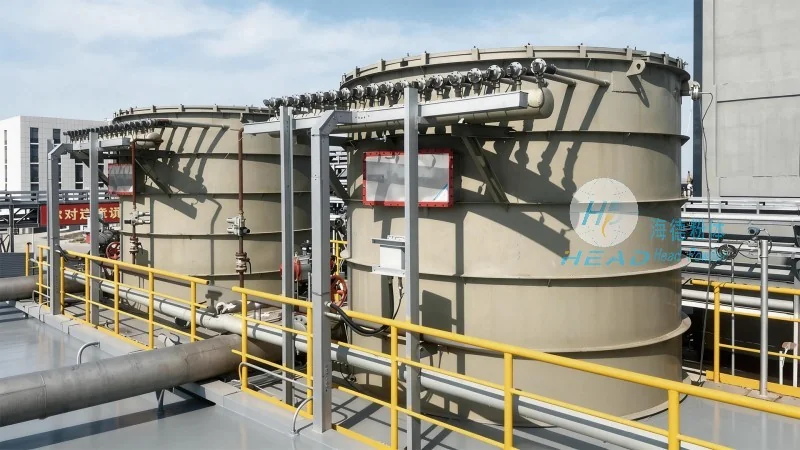
Ensuring the safe and efficient handling of dry desulfurizer is a top priority. The system design must incorporate safety features to prevent dust explosions, material spills, and equipment damage. This includes installing explosion-proof blower motors, using proper grounding and bonding techniques, and implementing dust collection systems that meet regulatory standards.
Additionally, the system should include provisions for material flow monitoring and control. Sensors can be used to detect blockages or low material levels in the silo, triggering alarms or automatic shutdowns to prevent system failures. Regular maintenance schedules should also be integrated into the design to ensure the equipment remains in optimal condition.
Case Study: A Successful Implementation by Shandong HeadPowder Engineering Co., Ltd.
Shandong HeadPowder Engineering Co., Ltd., a leading provider of industrial material handling solutions, has successfully implemented numerous dry desulfurizer pneumatic conveying systems across China. One notable project involved a coal-fired power plant in Shandong Province, where the company designed and installed a system to transport calcium-based desulfurizer from storage silos to the flue gas desulfurization (FGD) reactor.
The system, engineered by HeadPowder, utilized a positive pressure pneumatic conveying approach with a high-efficiency blower and a custom-designed conveying line. The design accounted for the plant's 12-ton per hour desulfurizer requirement and the 50-meter elevation difference between the silo and reactor. The system has been in operation for over three years, achieving consistent throughput with minimal downtime and energy consumption below design specifications.
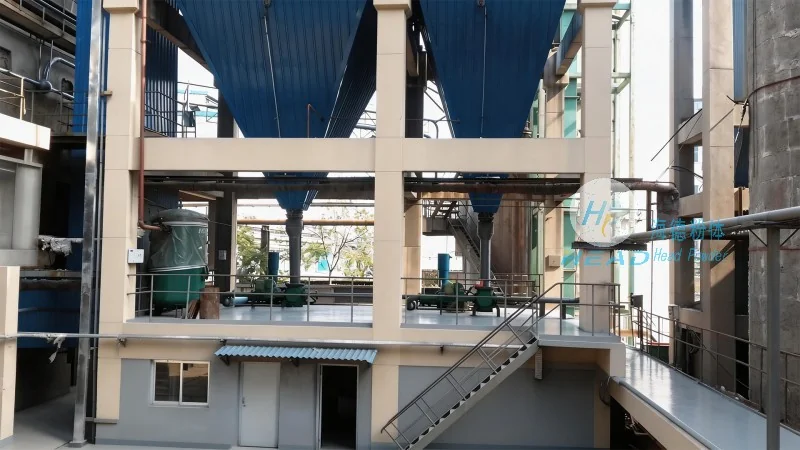
Key to the success of this project was the thorough analysis of the desulfurizer's material properties and the careful consideration of the plant's operational constraints. HeadPowder's engineers worked closely with the client to optimize the system layout, ensuring the conveying line was routed to minimize friction losses and the blower was sized to provide sufficient air pressure without excessive energy use.
Conclusion and Recommendations
Designing a rational dry desulfurizer pneumatic conveying system requires a systematic approach that considers material characteristics, system layout, equipment selection, and safety measures. By following the guidelines outlined in this article and leveraging the expertise of experienced engineers like those at Shandong HeadPowder Engineering Co., Ltd., industrial facilities can achieve efficient, reliable, and cost-effective desulfurizer transport systems.
When planning such a system, it is essential to start with a detailed analysis of the material properties and operational requirements. Engage with qualified material handling specialists to ensure the design meets all performance and safety standards. Regular monitoring and maintenance of the system will also help extend its lifespan and maintain optimal performance over time.