

Pneumatic Conveying of Graphite Powder: A Material Handling Solution to Overcome Distance Limitations
When it comes to transporting graphite powder efficiently and reliably, traditional methods often fall short, especially when dealing with long distances or complex layouts. Pneumatic conveying technology offers a superior alternative, enabling seamless material transfer without the need for extensive infrastructure or manual handling. This article explores the application of pneumatic conveying systems specifically for graphite powder, highlighting how Shandong HeadPowder Engineering Co., Ltd. (referred to as HeadPowder) has developed innovative solutions to address the unique challenges of graphite powder transport.
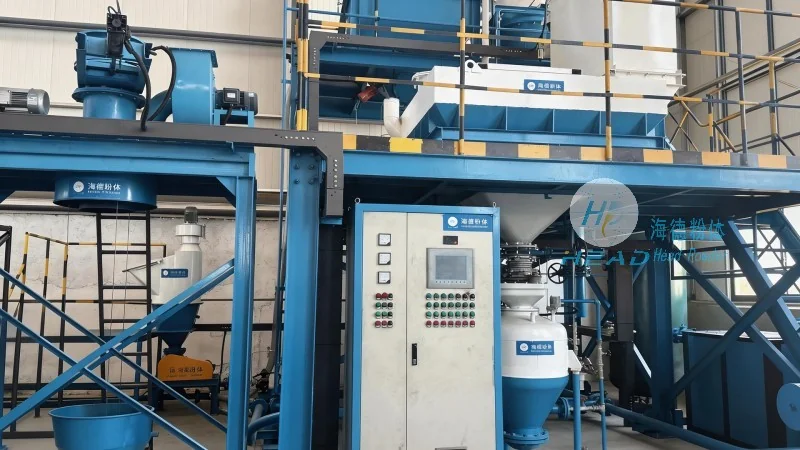
Understanding Graphite Powder and Its Transport Challenges
Graphite powder is widely used in various industries, including refractory, battery, and lubricant manufacturing, due to its excellent electrical conductivity, thermal stability, and lubricating properties. However, its fine particle size and light weight make it prone to dust accumulation, clogging, and loss during traditional conveying methods like belt conveyors or screw conveyors. These challenges are particularly acute when the material needs to be transported over long distances or through multiple stages of processing. Pneumatic conveying, by contrast, uses air to move the powder in a closed system, minimizing contamination and ensuring consistent flow rates.
HeadPowder's Innovative Pneumatic Conveying Solutions
HeadPowder, a leading provider of material handling solutions, specializes in designing and manufacturing customized pneumatic conveying systems tailored to the specific needs of graphite powder applications. The company's expertise lies in understanding the unique properties of graphite powder—such as its tendency to agglomerate or create static charge—and developing systems that mitigate these issues. For instance, HeadPowder employs advanced airlock valves, cyclone separators, and filter systems to ensure efficient separation of the powder from the conveying air, preventing clogging and maintaining system performance.
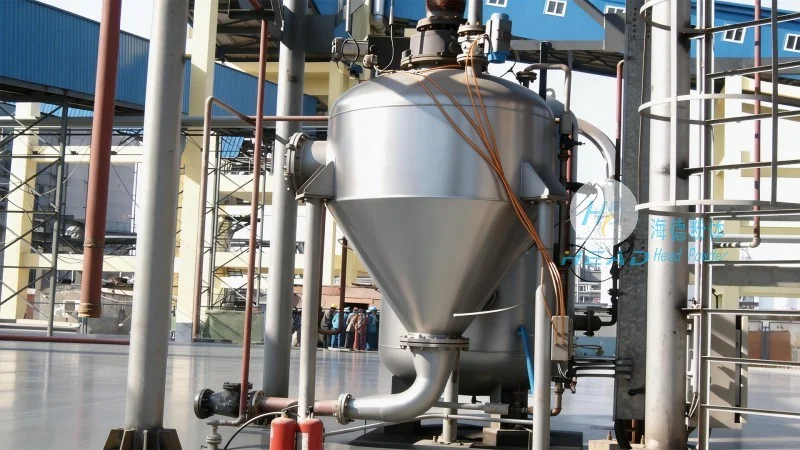
Key Features of HeadPowder's Graphite Powder Conveying Systems
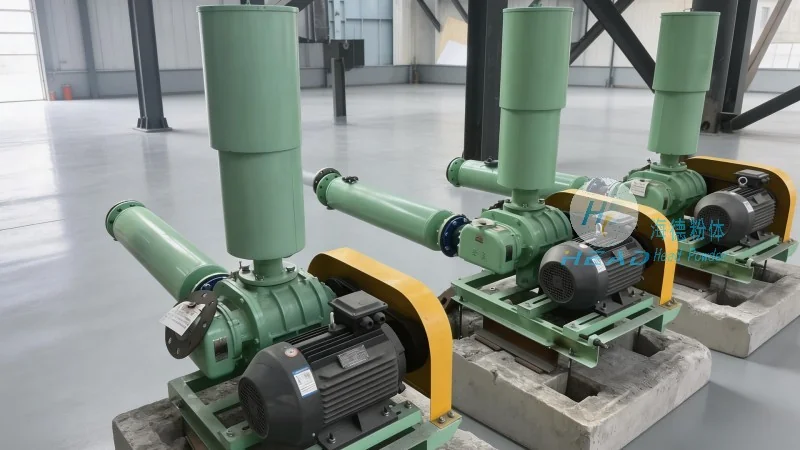
HeadPowder's pneumatic conveying systems for graphite powder are equipped with several key features that enhance their effectiveness and reliability. One of the most critical components is the air compressor, which provides the necessary pressure to move the powder through the system. The company uses high-efficiency, low-noise compressors that minimize energy consumption while ensuring consistent air pressure. Additionally, the conveying lines are typically made of corrosion-resistant materials, such as stainless steel or PTFE-coated pipes, to prevent damage from graphite's acidic or abrasive properties.
Another important feature is the use of flexible hoses or flexible ducts in certain sections of the system, allowing for easier installation and maintenance. These hoses are designed to withstand the pressure and temperature variations associated with graphite powder transport, ensuring long-term durability. Furthermore, HeadPowder incorporates advanced control systems that monitor pressure, flow rate, and temperature in real-time, enabling operators to adjust the system parameters as needed to optimize performance.
Benefits of Using HeadPowder's Pneumatic Conveying for Graphite Powder
Implementing HeadPowder's pneumatic conveying solutions for graphite powder offers numerous benefits for industrial operations. First and foremost, the system significantly reduces the risk of dust exposure and contamination, which is crucial for maintaining product quality and compliance with safety regulations. By keeping the powder contained within the system, the risk of environmental contamination is minimized, making it an environmentally friendly option.
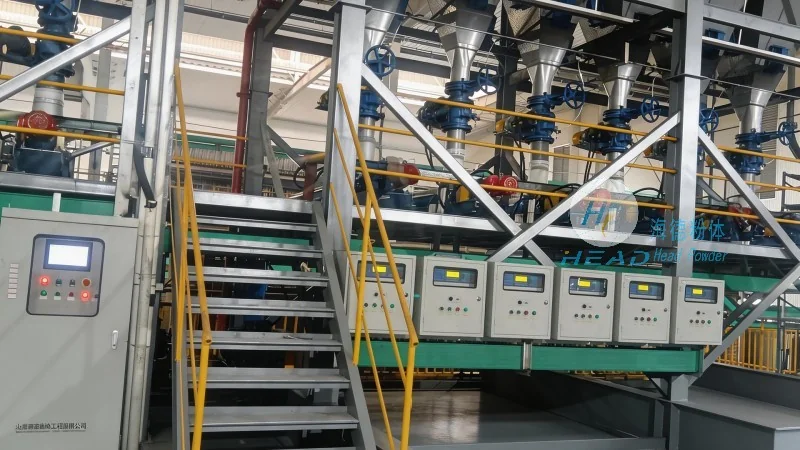
Second, the system improves operational efficiency by eliminating the need for manual handling and reducing downtime caused by clogging or maintenance. The automated control systems allow for continuous operation, with minimal intervention required from operators. This leads to increased productivity and lower labor costs over time.
Third, HeadPowder's solutions are designed to be scalable, allowing companies to start with a basic system and expand it as their production needs grow. This flexibility is particularly valuable for businesses that are expanding or diversifying their product lines. The company also provides comprehensive after-sales support, including maintenance services and technical assistance, ensuring that clients can maximize the lifespan and performance of their conveying systems.
Case Studies and Real-World Applications
HeadPowder has successfully implemented its pneumatic conveying systems for graphite powder in various industries, delivering measurable results and customer satisfaction. For example, a refractory manufacturer in China reported a 30% increase in production efficiency after switching to HeadPowder's system, as the automated conveying reduced manual labor and minimized material loss. Another client, a battery manufacturer, noted improved product consistency due to the reduced risk of contamination and agglomeration during transport.
These case studies highlight the practical benefits of HeadPowder's solutions and demonstrate the company's commitment to delivering high-quality, reliable material handling systems. By focusing on the specific needs of graphite powder, HeadPowder has established itself as a trusted partner for businesses seeking to optimize their material transport processes.
Conclusion and Future Outlook
As the demand for efficient and reliable material handling solutions continues to grow, pneumatic conveying technology remains a key player in the industry. HeadPowder's expertise in designing and manufacturing customized systems for graphite powder has positioned the company as a leader in this field. By leveraging advanced technology and a deep understanding of the material's properties, HeadPowder is helping businesses overcome the challenges of long-distance and complex graphite powder transport, enabling them to achieve higher productivity, better product quality, and improved operational efficiency.