

Several Methods of Sulfur Pneumatic Conveying
When it comes to the efficient and safe transportation of sulfur, various pneumatic conveying solutions are available. These methods are designed to handle the unique properties of sulfur, ensuring reliable material transfer while minimizing operational risks. In this article, we explore several effective approaches to sulfur pneumatic conveying, highlighting the expertise of Shandong HeadPowder Engineering Co., Ltd., a leading provider in the field.

Understanding Sulfur Pneumatic Conveying
Sulfur, a brittle and sometimes sticky material, requires specialized handling to prevent blockages and ensure consistent flow. Pneumatic conveying systems use air or other gases to transport bulk materials through pipelines, offering advantages such as reduced equipment wear, improved safety, and the ability to handle materials in hazardous environments. The choice of conveying method depends on factors like material characteristics, distance, and system requirements.
Key Pneumatic Conveying Solutions for Sulfur
HeadPowder offers a range of pneumatic conveying solutions tailored to sulfur handling needs. These solutions include both positive and negative pressure systems, as well as hybrid approaches that combine the best features of each. Each method is designed to optimize performance, energy efficiency, and material integrity.
1. Positive Pressure Pneumatic Conveying
Positive pressure systems operate by blowing air or gas into the material stream, creating a pressure differential that propels the sulfur through the pipeline. This method is ideal for short to medium distances and is particularly effective for handling fine or powdery sulfur. The positive pressure approach ensures that the material is continuously pushed forward, reducing the risk of clogging and maintaining a steady flow rate. HeadPowder's positive pressure systems are engineered with high-quality components, including robust blowers and efficient piping, to deliver reliable performance in sulfur conveying applications.
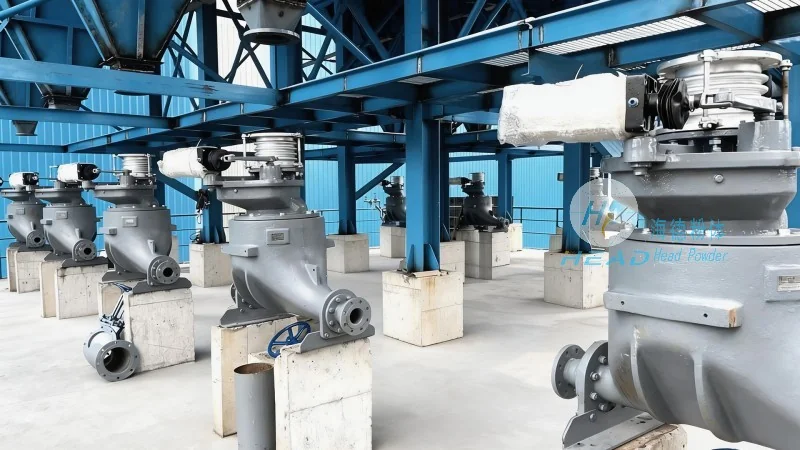
2. Negative Pressure (Vacuum) Pneumatic Conveying
Negative pressure systems, also known as vacuum conveying, draw material into the system using a vacuum created by a fan or pump. This method is well-suited for longer distances and for handling materials that are more prone to dust or airborne emissions. By creating a low-pressure environment, the system can safely collect and transport sulfur from multiple sources or from a central collection point. HeadPowder's vacuum conveying solutions are designed to minimize dust generation and ensure compliance with environmental regulations, making them a preferred choice for many industrial applications.
3. Hybrid Pneumatic Conveying Systems
Hybrid systems combine the benefits of both positive and negative pressure approaches, offering flexibility and adaptability for complex sulfur handling scenarios. These systems can switch between positive and negative pressure modes depending on the operational needs, allowing for efficient material transfer over varying distances and through different pipeline configurations. HeadPowder's hybrid solutions are customizable, enabling clients to optimize their conveying process based on specific production requirements and site conditions.
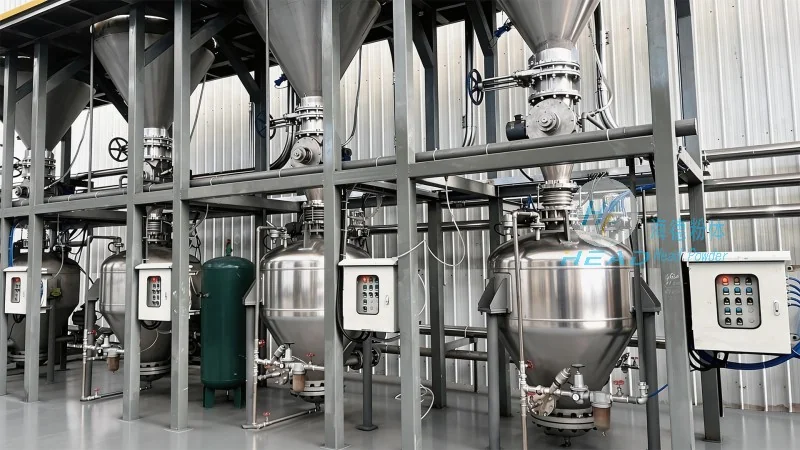
Advantages of Choosing HeadPowder for Sulfur Conveying
Shandong HeadPowder Engineering Co., Ltd. is committed to providing advanced pneumatic conveying solutions for sulfur transportation. With years of experience and a focus on innovation, HeadPowder delivers systems that are not only efficient but also safe and environmentally responsible. The company's expertise in material handling technology ensures that clients receive tailored solutions that meet their unique needs, whether for small-scale or large-scale sulfur processing facilities.
Customization and Support
HeadPowder understands that every sulfur handling operation is unique. Therefore, the company offers comprehensive customization services to design and implement pneumatic conveying systems that align with specific operational parameters. From initial consultation and system design to installation and ongoing maintenance, HeadPowder provides full support throughout the entire project lifecycle. This approach ensures that clients achieve optimal performance and reliability, minimizing downtime and maximizing productivity.
Conclusion
In conclusion, the selection of an appropriate pneumatic conveying method is critical for the efficient and safe handling of sulfur. Whether through positive pressure, negative pressure, or hybrid systems, HeadPowder's solutions are engineered to meet the highest standards of performance and safety. By leveraging the company's expertise and advanced technology, clients can enhance their sulfur transportation processes, reduce operational costs, and ensure compliance with industry regulations. Shandong HeadPowder Engineering Co., Ltd. remains a trusted partner for businesses seeking reliable and effective pneumatic conveying solutions in the sulfur industry.