

Design of High-Temperature Ash Pneumatic Conveying System
High-temperature ash pneumatic conveying systems are critical components in industrial facilities that handle hot and abrasive materials, such as those found in power plants and cement production. These systems are designed to efficiently transport ash and other byproducts from combustion processes to disposal or recycling facilities while maintaining operational safety and efficiency. The design of such systems requires careful consideration of material properties, temperature ranges, and the need for reliable, low-maintenance operation. This article provides an overview of the key design considerations and components involved in creating effective high-temperature ash pneumatic conveying systems.
Key Design Considerations for High-Temperature Ash Systems
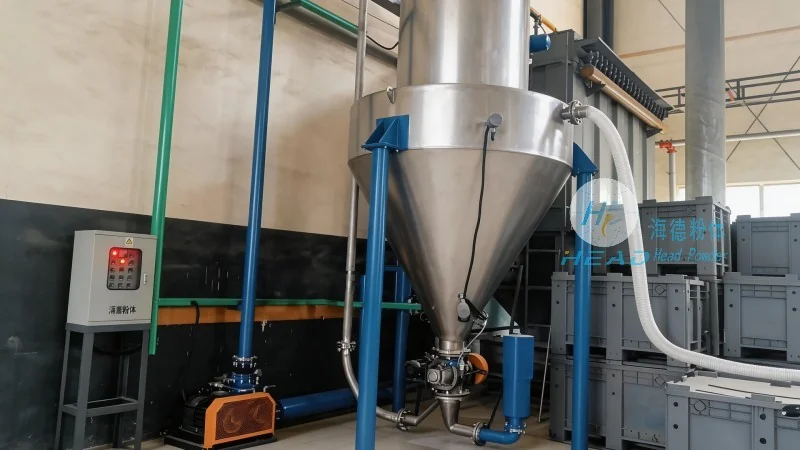
When designing a high-temperature ash pneumatic conveying system, several critical factors must be addressed to ensure optimal performance and longevity. First, the material being conveyed—high-temperature ash—exhibits unique properties, including high abrasiveness and potential for thermal degradation. These characteristics influence the selection of materials for system components, such as pipes, valves, and pumps. For instance, materials like stainless steel or high-grade alloys are often preferred for components that come into direct contact with the ash to prevent wear and corrosion. Additionally, the temperature of the ash, which can range from 200°C to over 800°C depending on the application, dictates the need for thermal insulation and temperature-resistant seals. Engineers must also consider the system's pressure requirements, as high-temperature ash often requires higher air pressures to maintain flow, which in turn affects the selection of blowers and other pneumatic equipment.
System Components and Their Functions
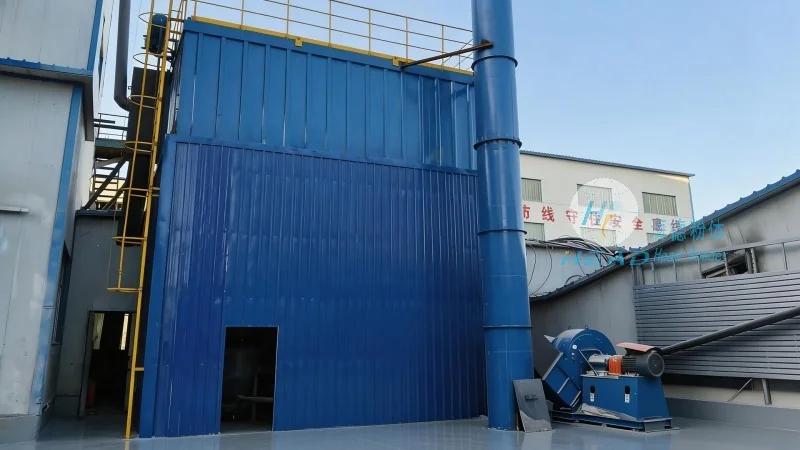
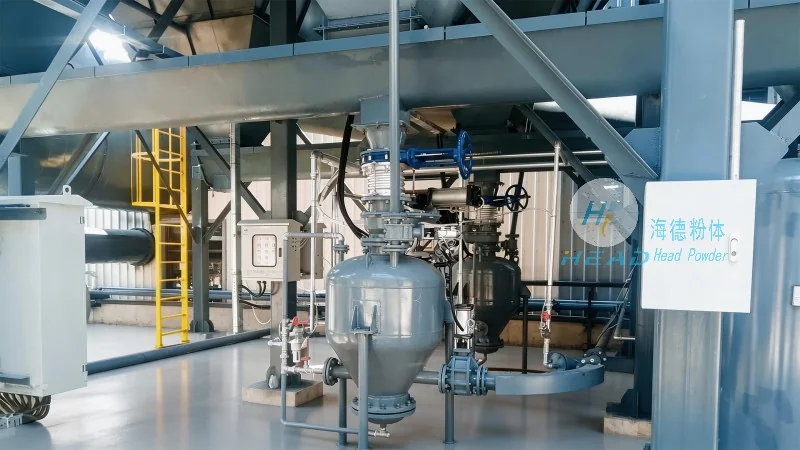
A high-temperature ash pneumatic conveying system typically consists of several interconnected components, each playing a vital role in the overall operation. The primary components include a hopper for material storage, a feeder to control the flow of ash into the system, a blower or compressor to generate the air pressure needed for conveying, and a pipeline network to transport the ash. The hopper is designed to handle the bulk storage of ash, often with a conical or rectangular shape to facilitate smooth discharge. The feeder, usually a rotary or screw type, regulates the ash flow rate to match the system's capacity, preventing overloading or underloading of the pipeline. The blower or compressor is the heart of the system, providing the necessary air pressure to move the ash particles through the pipeline. This component must be capable of handling high temperatures and abrasive materials, with features like temperature-resistant coatings and robust construction. The pipeline network connects all components and is typically made of corrosion-resistant materials like stainless steel or lined with protective coatings to withstand the abrasive nature of the ash. Valves and controls are also integrated into the system to regulate flow, adjust pressure, and ensure safe operation, such as emergency shut-off valves in case of system failure.
Advantages of High-Temperature Ash Pneumatic Conveying Systems
Implementing a high-temperature ash pneumatic conveying system offers several advantages over traditional methods like belt conveyors or gravity systems. One of the most significant benefits is the ability to transport ash over long distances with minimal space requirements. Unlike traditional conveyors, which require extensive land and infrastructure, pneumatic systems can be installed in vertical or horizontal configurations, making them ideal for facilities with limited floor space. Additionally, these systems provide a more hygienic and dust-free operation, reducing the risk of environmental contamination and improving workplace safety. The enclosed pipeline design prevents ash from escaping into the environment, which is crucial for compliance with environmental regulations. Another advantage is the flexibility in system layout, as components can be arranged in various configurations to suit the specific layout of the facility. This adaptability allows for easy integration with existing infrastructure, minimizing disruption during installation. Furthermore, high-temperature ash systems are generally more energy-efficient compared to other methods, as they use compressed air to move materials, which can be more cost-effective in the long run. The reduced maintenance requirements due to fewer moving parts also contribute to lower operational costs over the system's lifespan.
Application Examples and Case Studies
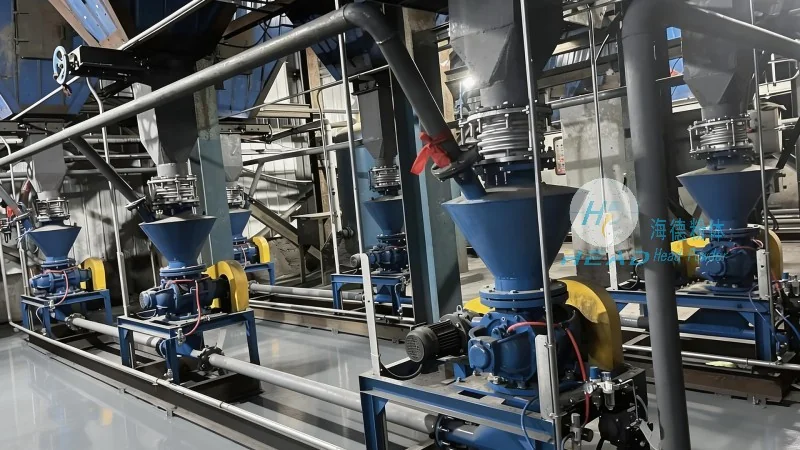
High-temperature ash pneumatic conveying systems are widely used in various industrial applications, particularly in power generation and cement manufacturing. For example, in coal-fired power plants, these systems are used to transport fly ash from the boiler to storage silos or disposal sites. The high temperatures of the ash (often around 200-300°C) require specialized components to handle the thermal stress and abrasion. In cement plants, the system is used to convey raw materials or byproducts, such as clinker or slag, which are also high-temperature and abrasive. A case study from a large power plant in Shandong, China, demonstrates the effectiveness of such a system. The plant implemented a high-temperature ash pneumatic conveying system designed by Shandong HeadPowder Engineering Co., Ltd. (headpowder), which successfully transported ash over a distance of 500 meters with minimal downtime. The system's design, including the use of stainless steel components and temperature-resistant seals, ensured reliable operation even under harsh conditions. The plant reported a 20% reduction in maintenance costs and improved environmental compliance due to the enclosed system design. Another application is in waste-to-energy facilities, where high-temperature ash from incineration processes is conveyed to disposal sites. The system's ability to handle abrasive and hot materials makes it a preferred choice for these applications.