

Design of Molybdenum Oxide Pneumatic Conveying System
Molybdenum oxide, a vital industrial material used in various applications including catalysts and alloys, demands efficient and reliable handling solutions for its transportation from production sites to processing facilities. The design of a pneumatic conveying system for molybdenum oxide involves meticulous consideration of material characteristics, operational parameters, and system performance. This article delves into the key aspects of designing an effective molybdenum oxide pneumatic conveying system, highlighting the technical considerations and practical solutions offered by Shandong HeadPowder Engineering Co., Ltd.
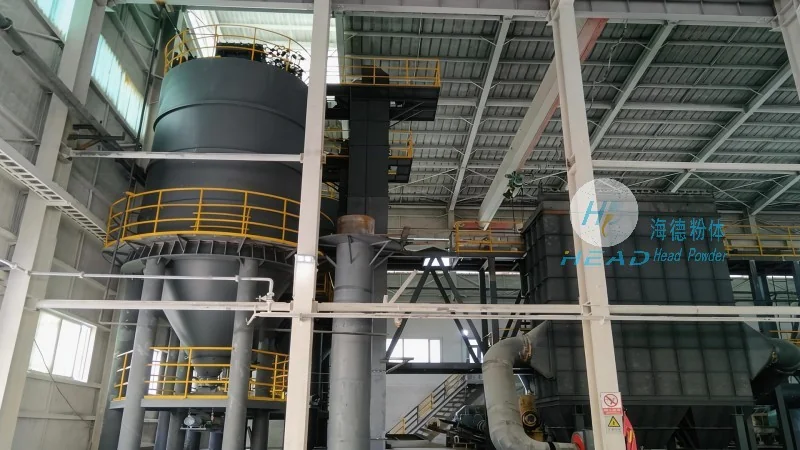
Key Components and Design Principles
The fundamental components of a molybdenum oxide pneumatic conveying system typically include a feeding mechanism, a conveying pipeline, a pressure vessel or receiver, and a control system. The design must account for the specific properties of molybdenum oxide, such as its particle size distribution, moisture content, and flowability. For instance, the material's tendency to agglomerate or its sensitivity to moisture can influence the choice of conveying method—whether it's a dilute phase or dense phase system. Shandong HeadPowder Engineering Co., Ltd. specializes in customizing these components to meet the unique demands of molybdenum oxide handling, ensuring optimal performance and minimizing material degradation.
Feeding and Material Preparation
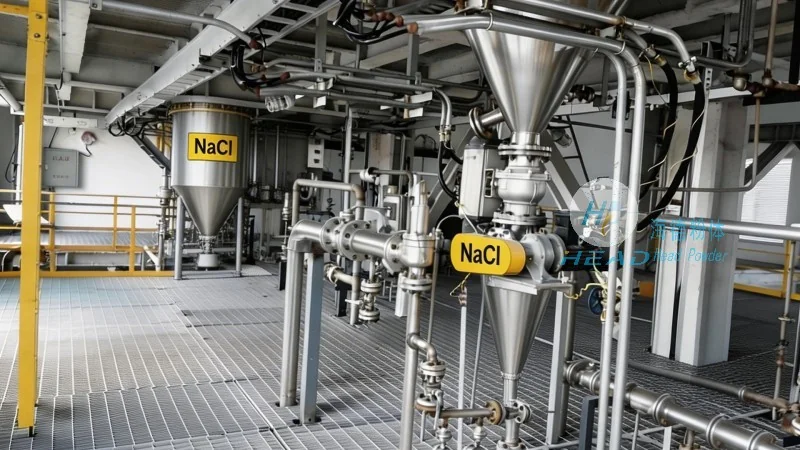
Proper feeding is essential to maintain consistent flow rates and prevent system blockages in molybdenum oxide pneumatic conveying. The system may incorporate a hopper with a rotary valve or a screw feeder to feed the material into the conveying line. Pre-treatment steps, such as drying or size reduction, may be integrated to enhance material flow characteristics. For molybdenum oxide, which can be hygroscopic, moisture control is a critical factor. The feeding mechanism must be designed to handle the material without causing excessive pressure drops or particle breakage, which could affect downstream processing. Shandong HeadPowder Engineering Co., Ltd. employs advanced feeding technologies that ensure stable material introduction while minimizing the risk of system disruptions.
Conveying Pipeline and Pressure Management
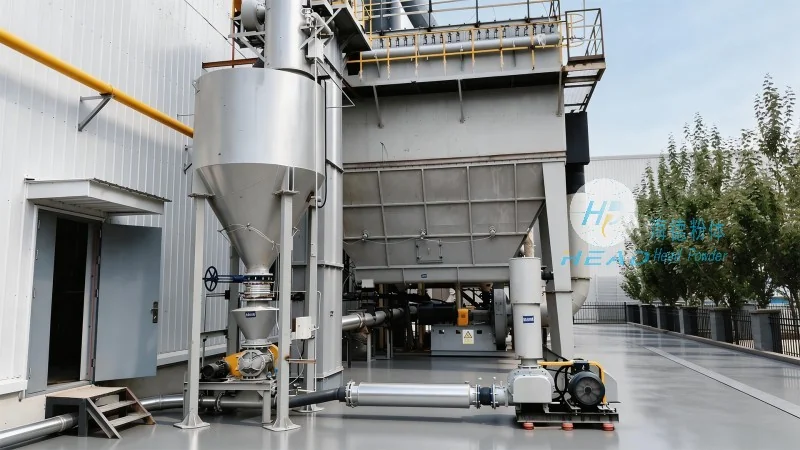
The conveying pipeline is a critical part of the system, as it must withstand the pressure and flow conditions of molybdenum oxide transport. The choice of pipeline material—such as stainless steel or special alloys—depends on the material's corrosive properties and the operating pressure. The system design includes pressure vessels or receivers at the end of the pipeline to collect the conveyed material. These vessels are equipped with pressure relief valves and level indicators to ensure safe operation. The pressure management system, including blowers or compressors, must be sized appropriately to handle the material's specific flow resistance. Shandong HeadPowder Engineering Co., Ltd. utilizes high-efficiency blowers and advanced pressure control algorithms to optimize energy consumption while maintaining consistent material transport rates.
Control and Monitoring Systems
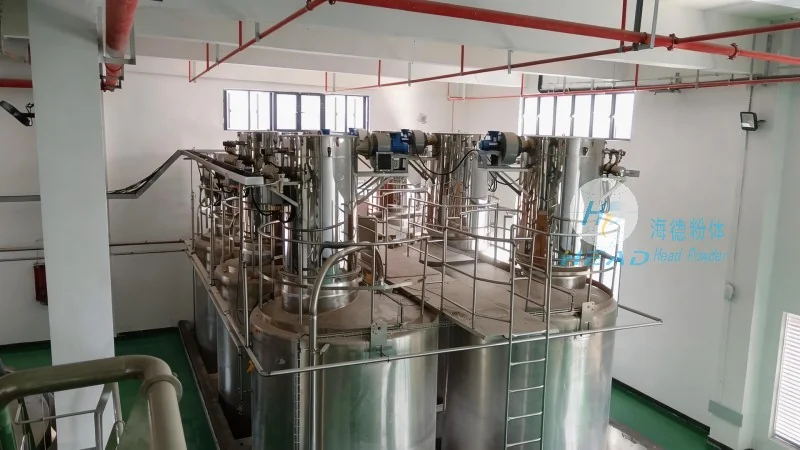
Effective control and monitoring are vital for the reliable operation of a molybdenum oxide pneumatic conveying system. The system may include sensors to monitor pressure, flow rate, and material level in real-time. These data are fed into a control unit that adjusts the blower speed or feeding rate as needed to maintain stable operation. Automated shutdown features are also integrated to prevent overpressure or material blockages. Shandong HeadPowder Engineering Co., Ltd. offers comprehensive control solutions that enhance system safety and operational efficiency. The control systems are designed to be user-friendly, allowing operators to monitor and adjust the system parameters easily, ensuring consistent performance over extended periods.
Advantages of Molybdenum Oxide Pneumatic Conveying Systems
Implementing a pneumatic conveying system for molybdenum oxide offers several advantages over traditional methods like belt conveyors or bucket elevators. These systems are more hygienic and can handle fine powders without generating dust, which is critical for maintaining product quality and worker safety. The enclosed design also reduces environmental contamination and improves overall process efficiency. Additionally, pneumatic conveying systems can be easily integrated with other processing equipment, such as reactors or mixers, streamlining the production workflow. Shandong HeadPowder Engineering Co., Ltd. has successfully implemented such systems for various clients, demonstrating the reliability and effectiveness of their design approach.
Conclusion and Company Overview
Designing a molybdenum oxide pneumatic conveying system requires a deep understanding of both the material properties and the technical requirements of industrial handling. Shandong HeadPowder Engineering Co., Ltd., with its expertise in engineering and material handling, provides comprehensive solutions tailored to the specific needs of molybdenum oxide processing. The company's commitment to quality, efficiency, and safety ensures that clients receive systems that meet their operational goals while adhering to industry standards. Based in Shandong, China, Shandong HeadPowder Engineering Co., Ltd. continues to be a leader in providing innovative and reliable pneumatic conveying solutions for the molybdenum oxide industry.