

Design Considerations for Tungsten Carbide Pneumatic Conveying Systems
When designing a pneumatic conveying system for tungsten carbide, several critical factors must be considered to ensure efficiency, reliability, and longevity of the equipment. Tungsten carbide is a hard, abrasive material that poses unique challenges during material handling, making a well-planned system essential for successful operation.
Material Selection and Equipment Compatibility
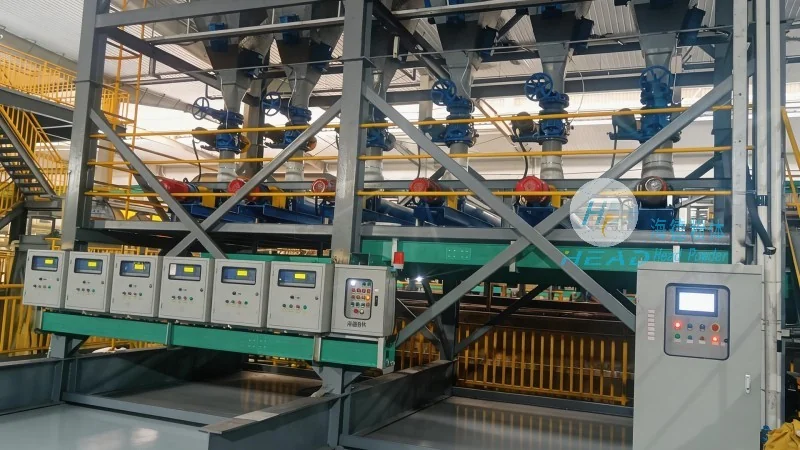
One of the primary considerations in designing a tungsten carbide pneumatic conveying system is the selection of compatible materials for all components. The material's high hardness and abrasiveness can quickly wear down standard metal parts, leading to increased maintenance costs and system downtime. Therefore, all components, including the hopper, ducts, and valves, should be constructed from wear-resistant materials such as hardened steel, stainless steel, or specialized alloys. Additionally, the choice of material for the conveying air or gas is crucial. For most applications, compressed air is used, but the quality and moisture content of the air must be controlled to prevent corrosion or material degradation. HeadPowder, a leading engineering company based in Shandong, China, specializes in designing and manufacturing custom pneumatic conveying systems tailored to the specific needs of tungsten carbide processing.
System Configuration and Flow Rate Optimization
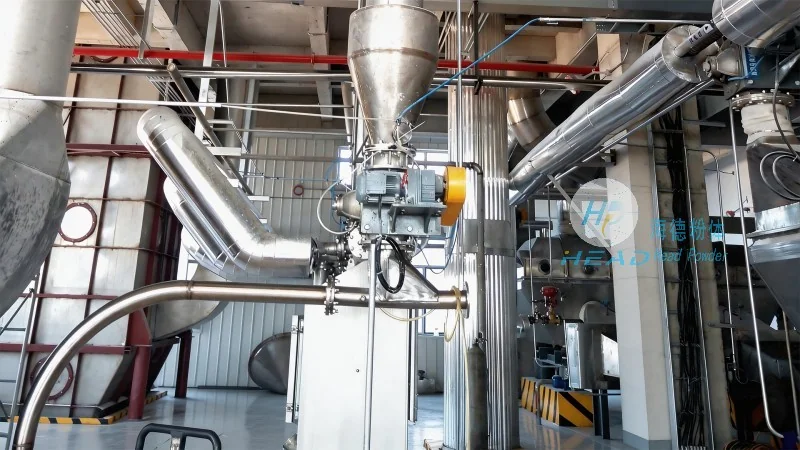
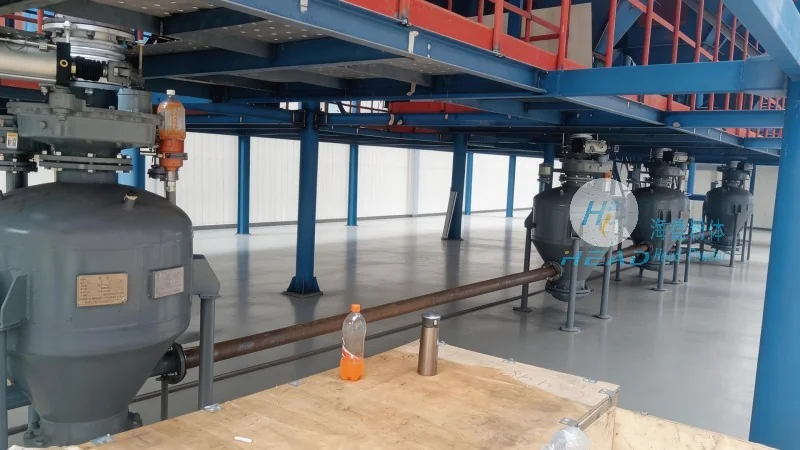
The configuration of the pneumatic conveying system, including the type of conveying (e.g., dilute phase or dense phase), plays a significant role in system performance. Dilute phase systems are commonly used for transporting tungsten carbide powders over short to medium distances, while dense phase systems are preferred for longer distances or when handling more abrasive materials. The flow rate of the conveying medium must be optimized to maintain consistent material transport without causing excessive pressure drops or material degradation. Proper sizing of the ducts, airlocks, and other components is essential to achieve the desired flow rate and pressure. HeadPowder engineers use advanced computational fluid dynamics (CFD) and system modeling to determine the optimal configuration and flow rates for each application, ensuring efficient and reliable operation.
Control Systems and Automation
Modern pneumatic conveying systems for tungsten carbide often incorporate advanced control systems and automation to enhance operational efficiency and safety. These systems may include sensors to monitor pressure, flow, and material levels, as well as control valves and actuators to regulate the conveying process. Automation allows for precise control over the material feed rate, preventing overloading or underloading of the system. Additionally, automated systems can reduce the risk of human error and improve overall safety in the workplace. HeadPowder offers customized control solutions that integrate seamlessly with existing production lines, providing real-time monitoring and control capabilities.
Maintenance and Longevity
Maintenance is a critical aspect of ensuring the long-term performance of a tungsten carbide pneumatic conveying system. Regular inspection and maintenance of components, such as the hopper, ducts, and airlocks, are necessary to prevent wear and tear. HeadPowder provides comprehensive maintenance services, including scheduled inspections, component replacement, and troubleshooting. By implementing a proactive maintenance plan, users can extend the lifespan of their equipment and minimize downtime. The company's expertise in tungsten carbide processing and material handling ensures that all maintenance procedures are performed with the highest standards of quality and safety.
Conclusion
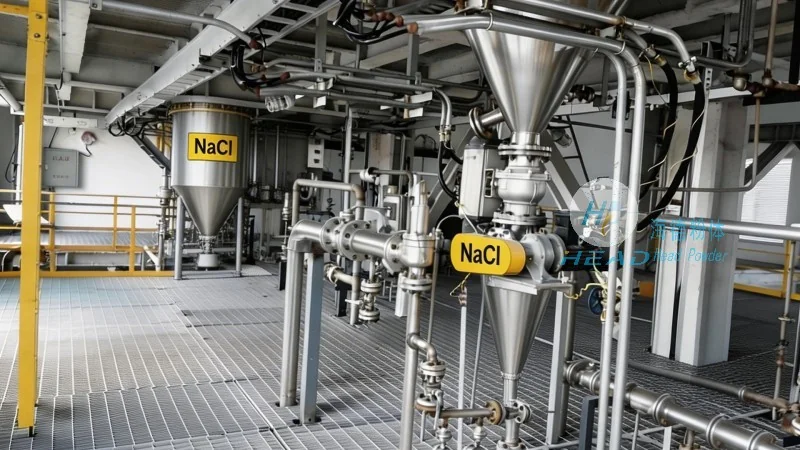
Designing a successful tungsten carbide pneumatic conveying system requires careful consideration of material compatibility, system configuration, control systems, and maintenance practices. HeadPowder Engineering Co., Ltd., based in Shandong, China, is a trusted partner for companies seeking reliable and efficient pneumatic conveying solutions. With years of experience in the industry, the company provides customized designs, manufacturing, and maintenance services tailored to the unique needs of tungsten carbide processing. By adhering to these design considerations, companies can achieve optimal performance, reduced maintenance costs, and increased productivity in their material handling operations.