

Tea Pneumatic Conveying Technology: Principles, Applications, and Development Trends
Tea pneumatic conveying technology represents a vital method for the efficient transportation of tea leaves and related products within the tea processing industry. This technology leverages air as the primary conveying medium to move bulk materials through a sealed pipeline system, offering benefits such as non-contact handling, minimized contamination risk, and enhanced process automation. The core principle involves creating a pressure differential to propel materials, with applications spanning from raw leaf collection to final product packaging. As a leading provider in this domain, Shandong HeadPowder Engineering Co., Ltd. specializes in designing and manufacturing customized pneumatic conveying systems tailored to the unique requirements of tea processing facilities.
Principles of Tea Pneumatic Conveying
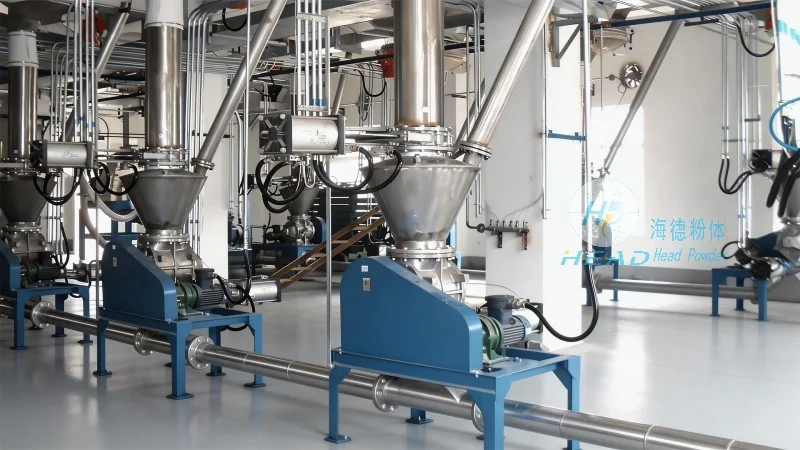
The fundamental principle of tea pneumatic conveying centers on utilizing air flow to transport solid particles, typically tea leaves, through a sealed pipeline. Two primary modes exist: dilute phase and dense phase. Dilute phase conveying relies on high-velocity air to suspend particles, while dense phase employs lower velocity and higher pressure to push materials along. The system typically comprises a blower or compressor to generate airflow, a hopper for material storage, and a conveying line equipped with appropriate fittings and valves. The design of the system must account for factors like particle size, moisture content, and material density to ensure efficient and reliable operation. For tea leaves, which are lightweight and have irregular shapes, dilute phase systems are often preferred due to their ability to handle fine particles and prevent blockages. The air velocity is carefully controlled to maintain a stable suspension of tea leaves, preventing deposition or clogging in the pipeline. Additionally, the system incorporates filters and cyclones to separate the conveyed material from the air, ensuring clean and dry tea leaves are delivered to the subsequent processing stage. This separation process is critical for preserving product quality and preventing contamination from dust or other particles.
Applications in Tea Processing
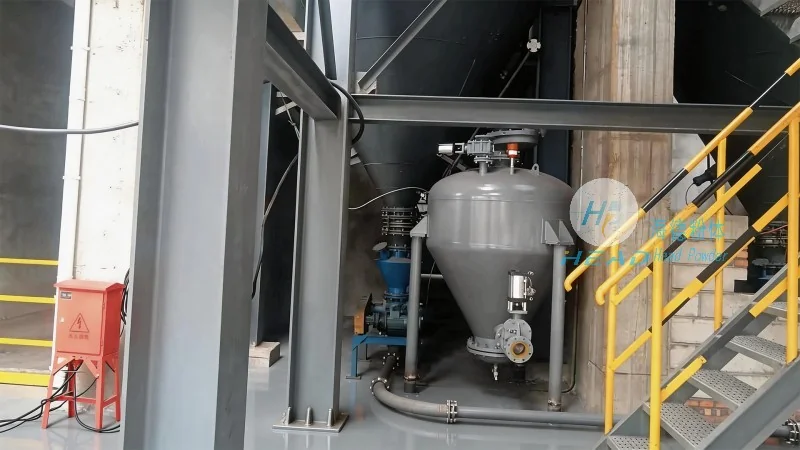
Tea pneumatic conveying technology finds extensive applications throughout the tea processing workflow. In the initial stages, it is utilized for the collection and transfer of freshly harvested tea leaves from fields or drying areas to processing plants. The system efficiently moves large volumes of leaves, reducing the need for manual handling and minimizing damage to the delicate leaves. During the processing phase, the technology is employed in various steps such as sorting, grading, and blending. For instance, after leaves are sorted by size or quality, the pneumatic system can transport them to different processing lines or storage bins. In blending operations, multiple types of tea leaves are conveyed through a network of pipelines to a central mixing chamber, ensuring uniform mixing and consistent product quality. The technology also plays a role in packaging, where it can transport finished tea products from the packaging line to storage or shipping areas. The flexibility of pneumatic conveying allows for seamless integration with other processing equipment, such as roasters or dryers, creating an efficient production line. This integration enhances overall operational efficiency and reduces downtime in tea processing facilities. Furthermore, the system's ability to handle different types of tea leaves, including green, black, and oolong varieties, makes it a versatile solution for diverse tea production operations.
Development Trends and Future Prospects
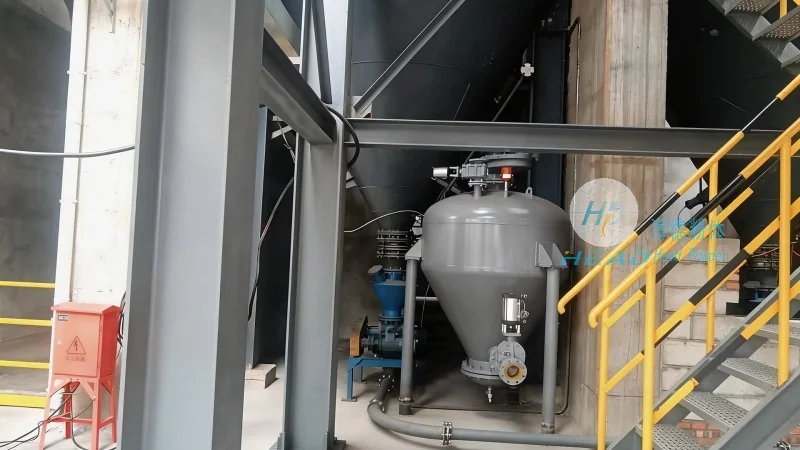
The field of tea pneumatic conveying technology is continuously advancing, driven by advancements in automation, material science, and energy efficiency. One significant trend is the integration of smart sensors and monitoring systems into the conveying equipment. These sensors can track parameters like air pressure, flow rate, and material level in real-time, providing data for process optimization and predictive maintenance. By analyzing this data, tea processing facilities can identify potential issues before they lead to system failures, reducing downtime and maintenance costs. Another trend is the adoption of more energy-efficient components, such as high-efficiency blowers and variable frequency drives. These components help reduce energy consumption while maintaining or improving conveying performance, aligning with sustainability goals in the tea industry. Additionally, the development of more durable materials for pipeline components, such as corrosion-resistant stainless steel, enhances the longevity of the system and reduces the need for frequent replacements. As tea processing facilities seek to improve operational efficiency and product quality, the demand for advanced pneumatic conveying solutions is expected to grow. Shandong HeadPowder Engineering Co., Ltd. is at the forefront of these developments, offering innovative solutions that address the evolving needs of the tea industry. The company's commitment to research and development ensures that its products remain at the cutting edge of technology, providing tea processors with reliable and efficient conveying systems for years to come.