

Potassium Sulfate Pneumatic Conveying Technology: Principles, Applications, and Development Trends
For detailed information on Potassium Sulfate Pneumatic Conveying Technology, please refer to the following content.
Introduction to Potassium Sulfate Pneumatic Conveying Technology
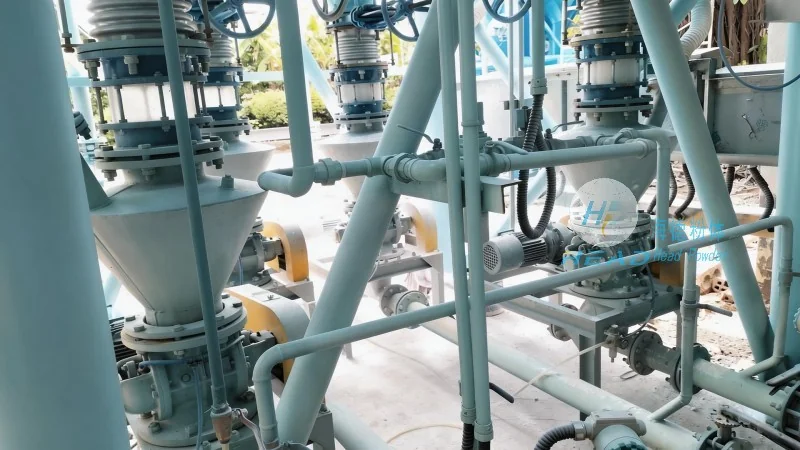
Potassium sulfate, a critical agricultural and industrial chemical, is commonly transported via pneumatic conveying systems. This technology utilizes air or gas to move bulk materials like potassium sulfate through a sealed pipeline. The process is efficient, cost-effective, and well-suited for diverse industrial applications. Understanding the principles, applications, and future trends of this technology is essential for optimizing material handling in modern industries.
Principles of Pneumatic Conveying for Potassium Sulfate
The fundamental principle of pneumatic conveying for potassium sulfate involves creating a pressure differential to propel material through a pipeline. Two primary system types exist: dilute-phase and dense-phase. Dilute-phase systems employ low air velocity and high air-to-material ratios, ideal for long-distance transport. Dense-phase systems operate at higher material concentrations and lower air velocities, offering better flow control and reducing product degradation. The selection between these systems depends on material properties, distance, and required flow rates.
Applications of Potassium Sulfate Pneumatic Conveying
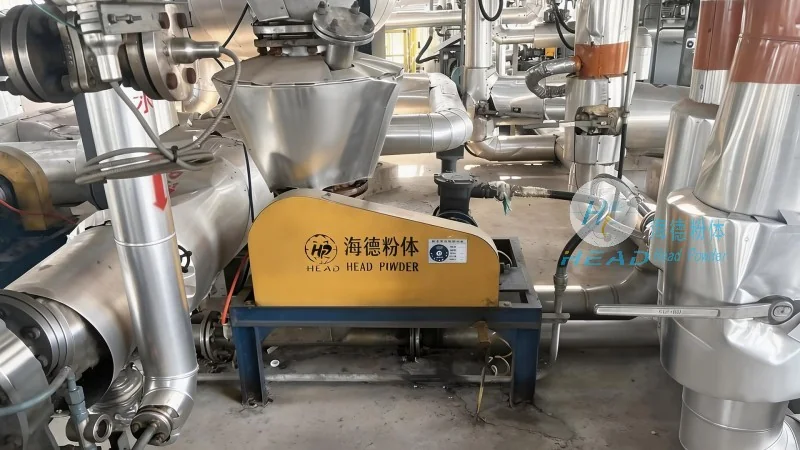
HeadPowder Engineering Co., Ltd., a leading provider of material handling solutions, has extensive experience implementing pneumatic conveying systems for potassium sulfate. These systems are widely used in the fertilizer industry, where potassium sulfate is a key nutrient component. The technology also applies to chemical manufacturing, pharmaceuticals, and food processing. For example, in fertilizer production, pneumatic conveying ensures uniform mixing of potassium sulfate with other nutrients, enhancing final product quality. In chemical plants, it facilitates safe, efficient transfer between processing units, minimizing dust and contamination risks.
Technological Advancements and Development Trends
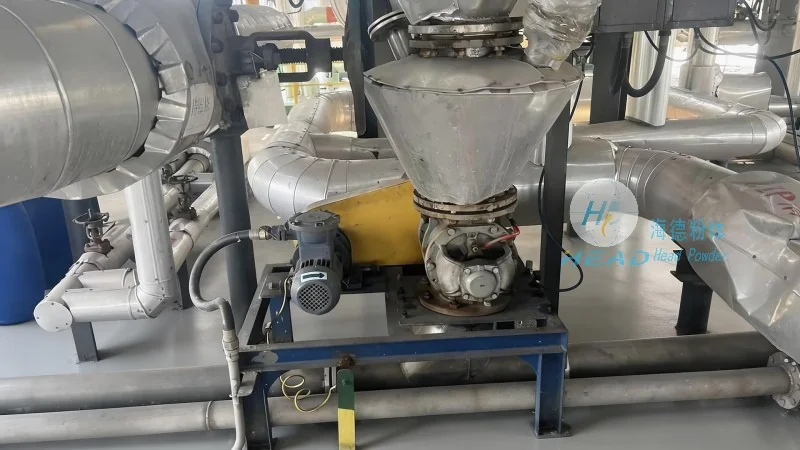
The field of pneumatic conveying for potassium sulfate is evolving, driven by the need for higher efficiency, lower energy use, and improved material handling. Recent advancements include more efficient air compressors, reducing operational costs and enhancing system performance. Integration of automation and control systems enables real-time monitoring and adjustment of conveying parameters for optimal operation. Another trend is adopting sustainable practices, such as recycled air or energy optimization, to lessen environmental impact. As industries pursue productivity and sustainability, the future of potassium sulfate pneumatic conveying technology appears promising, with ongoing innovations improving system reliability and efficiency.
Conclusion
Potassium sulfate pneumatic conveying technology offers significant advantages in efficiency, safety, and cost-effectiveness. With expertise from companies like Shandong HeadPowder Engineering Co., Ltd., industries can leverage this technology to enhance material handling processes. As the technology continues to advance, it will play an increasingly vital role in the efficient and sustainable transport of potassium sulfate and other bulk materials.