

[Detailed Explanation of Magnesium Powder Pneumatic Conveying Systems]
Magnesium powder, a critical material in various industrial applications, requires efficient and reliable handling systems to ensure safety and operational efficiency. Pneumatic conveying systems have emerged as a preferred solution for transporting magnesium powder due to their ability to handle fine powders with minimal dust generation and reduced risk of material degradation. This article provides a comprehensive overview of magnesium powder pneumatic conveying systems, highlighting their design, functionality, and key considerations for implementation.
Understanding Pneumatic Conveying Technology
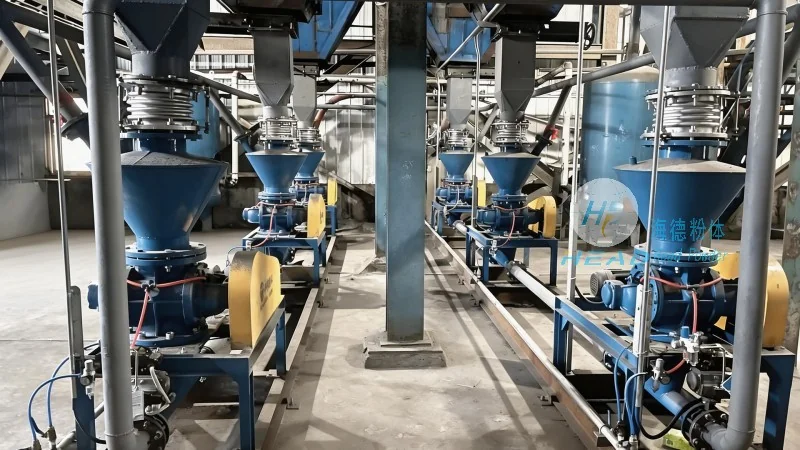
Pneumatic conveying systems utilize air or gas to transport bulk materials like magnesium powder through a network of pipes. The technology can be broadly categorized into two main types: pressure and vacuum systems. Pressure systems, which are commonly used for magnesium powder handling, operate by forcing air or gas into a hopper containing the powder, creating a pressure differential that propels the material through the pipeline. Vacuum systems, on the other hand, create a negative pressure to draw the powder from a source into the conveying line. For magnesium powder, pressure systems are often preferred due to their ability to handle abrasive and reactive materials while maintaining consistent flow rates.
Key Components of Magnesium Powder Pneumatic Conveying Systems
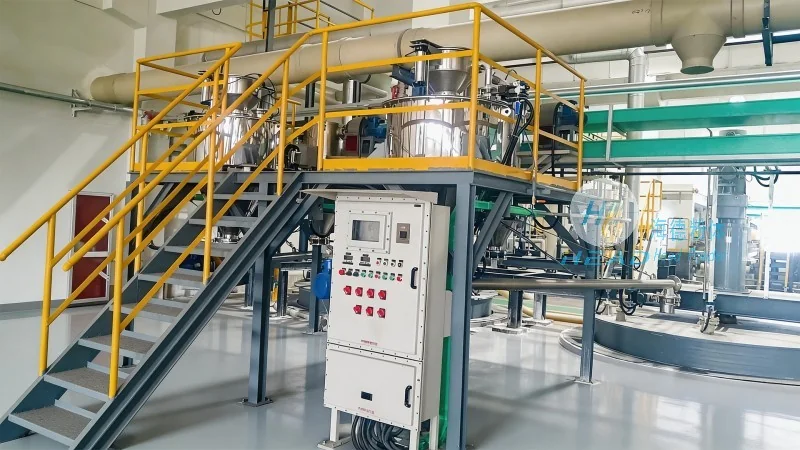
Effective magnesium powder pneumatic conveying systems consist of several critical components that work in tandem to ensure smooth operation. The primary components include a hopper or feeder, a conveyor line (typically made of materials resistant to magnesium powder corrosion, such as stainless steel or special alloys), a blower or compressor to generate the necessary air pressure, and a receiver or discharge unit. The hopper is designed to store and feed the magnesium powder into the conveyor line, often equipped with a rotary valve or screw feeder to control the flow rate. The conveyor line must be robust and resistant to the chemical properties of magnesium powder to prevent corrosion or material buildup. The blower or compressor provides the driving force, with pressure levels typically ranging from 5 to 15 bar depending on the system's capacity and distance. The receiver is where the magnesium powder is deposited, often equipped with a dust collection system to maintain environmental compliance and product purity.
Design Considerations for Magnesium Powder Handling
Designing a pneumatic conveying system for magnesium powder requires careful consideration of several factors to ensure optimal performance and safety. One of the primary considerations is material compatibility. Magnesium powder is highly reactive and can cause corrosion in standard steel components, so the system must be constructed from materials that are resistant to its chemical properties, such as 316L stainless steel or specialized coatings. Additionally, the system must be designed to minimize dust generation, as magnesium powder is a fine, airborne material that poses health risks if inhaled. This is achieved through the use of sealed hoppers, rotary valves, and efficient dust collection systems. Another critical factor is the system's capacity and flow rate. The design must account for the specific characteristics of magnesium powder, including its density, particle size distribution, and flowability, to ensure consistent and reliable transport. The system's layout, including the length and diameter of the conveyor line, must be optimized to minimize pressure drop and energy consumption, which is essential for cost-effective operation.
Applications of Magnesium Powder Pneumatic Conveying Systems
Magnesium powder pneumatic conveying systems are widely used in various industries where magnesium powder is a key raw material. These include the aerospace industry, where magnesium is used in lightweight components; the automotive industry, for manufacturing parts and alloys; and the chemical industry, for producing magnesium-based compounds. In the aerospace sector, the system ensures that magnesium powder is transported safely and efficiently to manufacturing facilities, where it is used to produce high-performance parts. In the automotive industry, the system helps in the production of magnesium alloys, which are used in engine components and other parts. In the chemical industry, the system facilitates the handling of magnesium powder in the production of magnesium hydroxide, magnesium oxide, and other magnesium-based products. The versatility of pneumatic conveying systems makes them suitable for a wide range of applications, from small-scale laboratory operations to large-scale industrial production.
Advantages of Using Pneumatic Conveying for Magnesium Powder
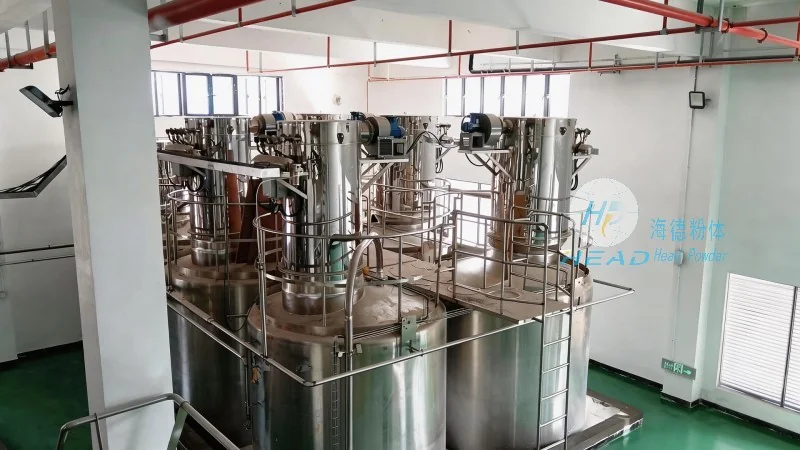
There are several advantages to using pneumatic conveying systems for magnesium powder handling. One of the key benefits is the reduction in dust and material loss compared to traditional methods like bucket elevators or belt conveyors. Pneumatic systems are enclosed, which helps in maintaining a clean and safe working environment. This is particularly important for magnesium powder, as it can cause respiratory issues if inhaled. Another advantage is the ability to handle fine and abrasive materials without causing wear and tear on the system components. The system's design allows for smooth and continuous flow, which reduces the risk of material buildup and blockages. Additionally, pneumatic conveying systems are energy-efficient, as they can transport materials over long distances with minimal energy consumption. The system's flexibility also allows for easy integration with existing production lines, making it a cost-effective solution for many industrial applications.
Challenges and Solutions in Magnesium Powder Pneumatic Conveying
While pneumatic conveying systems offer numerous benefits, they also present some challenges when handling magnesium powder. One of the main challenges is the risk of material degradation due to the high temperatures generated by the system's components. This can lead to oxidation or other chemical changes in the magnesium powder, affecting its quality and performance. To mitigate this, the system must be designed with temperature control measures, such as cooling the conveyor line or using low-temperature air. Another challenge is the potential for blockages in the conveyor line, especially if the magnesium powder has a high moisture content or is prone to agglomeration. This can be addressed by incorporating anti-caking agents or using vibration systems to break up any clumps. Additionally, the system must be equipped with proper dust collection and filtration systems to prevent the release of fine particles into the environment. This is crucial for maintaining compliance with environmental regulations and ensuring the safety of workers.
Maintenance and Operational Considerations
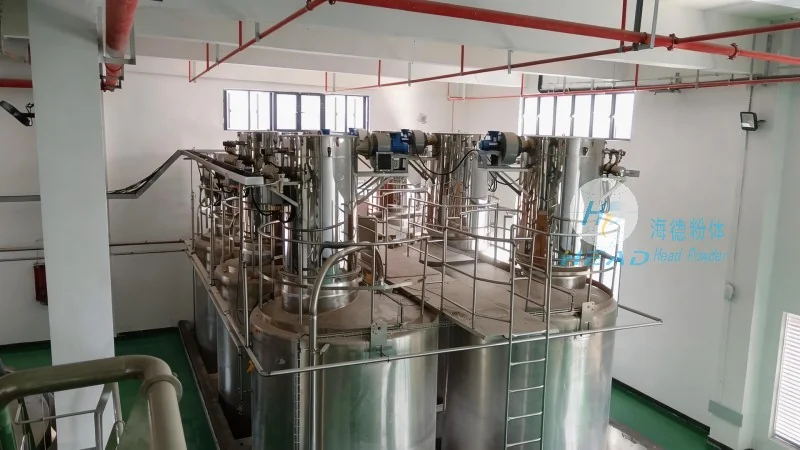
Proper maintenance and operational practices are essential for ensuring the longevity and efficiency of magnesium powder pneumatic conveying systems. Regular inspection of the system components, such as the hopper, conveyor line, and blower, is necessary to detect any signs of wear or damage. The hopper and feeder should be checked for any material buildup or corrosion, which can affect the flow rate and system performance. The conveyor line should be inspected for any signs of wear or damage, particularly in areas where the magnesium powder is in contact with the pipe walls. The blower or compressor should be checked for proper air pressure and flow rate, as any deviations can impact the system's performance. Additionally, the dust collection system should be regularly cleaned and maintained to ensure it is functioning effectively. Regular maintenance can help prevent system failures and reduce downtime, ensuring that the magnesium powder is transported efficiently and safely.
Conclusion: The Importance of Reliable Magnesium Powder Pneumatic Conveying Systems
In conclusion, magnesium powder pneumatic conveying systems are a critical component in the handling and transportation of magnesium powder in various industrial applications. These systems offer numerous advantages, including efficient material transport, reduced dust generation, and improved safety. However, their design and operation require careful consideration of the material's properties and the system's components to ensure optimal performance. By understanding the key components, design considerations, and operational practices, industrial facilities can implement effective pneumatic conveying systems that meet their specific needs and ensure the safe and efficient handling of magnesium powder. As the demand for magnesium powder continues to grow, the importance of reliable and efficient conveying systems will only increase, making them a vital part of modern industrial operations.