

Choosing Between Positive Pressure and Negative Pressure for Coffee Bean Conveying: How to Distingui
For coffee processing facilities, the choice of conveying system directly impacts operational efficiency, product quality, and overall cost-effectiveness. Among the various options available, positive pressure and negative pressure conveying systems are two of the most common methods used to transport coffee beans from one stage of production to another. Each system operates on a different principle, offering distinct advantages and limitations that must be carefully considered when selecting the right solution for your business.
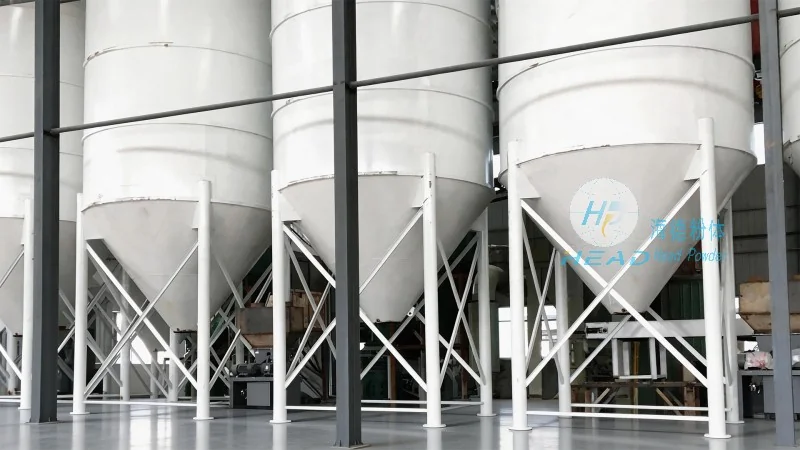
Understanding Positive Pressure Conveying
Positive pressure conveying systems utilize a fan or blower to generate air pressure that pushes coffee beans through a pipeline. This method is often referred to as "blow-through" or "pressure-assisted" conveying. The primary advantage of positive pressure is its ability to transport materials over longer distances and through complex layouts, as the air pressure continuously moves the beans forward. This makes it ideal for applications where the conveying path is long or involves multiple turns and elevation changes. Additionally, positive pressure systems can handle a wide range of particle sizes and moisture contents, making them versatile for various coffee bean types and processing stages.
In a positive pressure system, the fan is typically located at the discharge end of the pipeline, creating a positive pressure zone that forces the coffee beans to move through the system. This setup ensures that the material is continuously propelled, reducing the risk of clogging or stagnation. However, it's important to note that positive pressure systems require proper sealing and maintenance to prevent air leakage, which could lead to energy inefficiencies and reduced conveying efficiency. The system also generates more noise and vibration compared to negative pressure systems, which may be a consideration for facilities located in residential or noise-sensitive areas.
Understanding Negative Pressure Conveying
Negative pressure conveying, also known as "suction" or "vacuum" conveying, operates by creating a vacuum in the pipeline to draw coffee beans into the system. The fan or blower is located at the intake end, pulling the beans from the source and moving them through the pipeline to the discharge point. This method is particularly effective for short to medium-distance conveying and is often used in applications where the material needs to be collected from multiple points and consolidated into a single line.
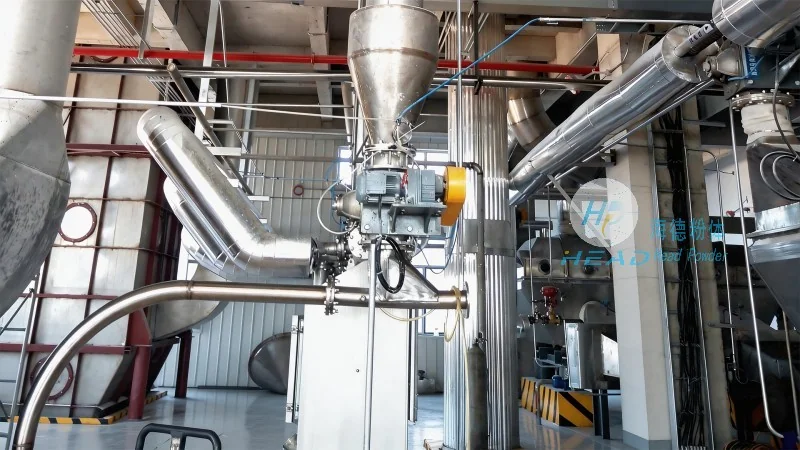
One of the key advantages of negative pressure systems is their ability to handle fine or powdery materials without causing excessive wear on the equipment. The lower air velocity in the pipeline reduces the risk of particle degradation and maintains the integrity of the coffee beans. Additionally, negative pressure systems are generally quieter and produce less vibration compared to positive pressure systems, making them suitable for environments where noise control is a priority. However, negative pressure conveying has limitations in terms of distance and layout complexity. The vacuum pressure typically drops as the distance increases, which can affect the conveying capacity over longer runs. This makes negative pressure less suitable for applications requiring extensive piping or high elevation changes.
Key Factors to Consider When Choosing Between Systems
When deciding between positive pressure and negative pressure conveying for coffee beans, several factors should be evaluated to ensure the best fit for your operation. The first consideration is the distance and layout of the conveying path. If the coffee beans need to be transported over long distances or through complex piping networks, positive pressure is often the better choice due to its ability to maintain consistent pressure and flow. Conversely, if the conveying distance is short and involves multiple collection points, negative pressure may be more efficient and cost-effective.
Another critical factor is the type and characteristics of the coffee beans. For large, dense beans or those with high moisture content, positive pressure systems may provide better performance as they can handle higher material loads without clogging. On the other hand, for fine or delicate beans that require gentle handling, negative pressure systems are preferable as they minimize particle breakage and maintain product quality.
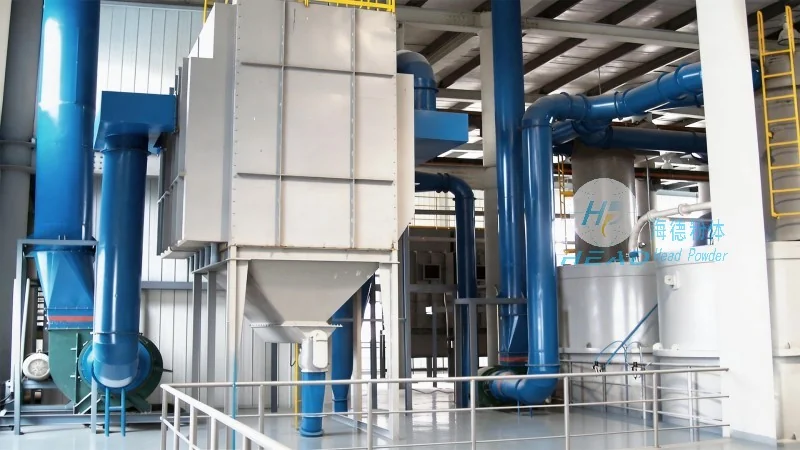
Energy consumption is also an important consideration. Positive pressure systems generally consume more energy due to the higher air pressure required to push the material through the pipeline. Negative pressure systems, while more energy-efficient for shorter distances, may require additional equipment to maintain the vacuum, such as vacuum pumps or ejectors. The initial investment and ongoing maintenance costs should also be factored in, as both systems have different capital and operational expenses.
Environmental and safety considerations play a role as well. Positive pressure systems may require additional filtration to prevent dust and particles from escaping into the environment, which is crucial for maintaining air quality in the facility. Negative pressure systems, by drawing air into the system, can help control dust emissions but may require proper exhaust filtration to comply with environmental regulations.
Application Examples in Coffee Processing
Positive pressure conveying is commonly used in large-scale coffee processing plants for transporting coffee beans from the drying or roasting stages to storage silos or packaging lines. For instance, a coffee roasting facility may use a positive pressure system to move roasted beans from the roaster to a storage silo located several hundred feet away, ensuring a continuous flow without interruptions. The system's ability to handle long distances and complex layouts makes it ideal for such applications.
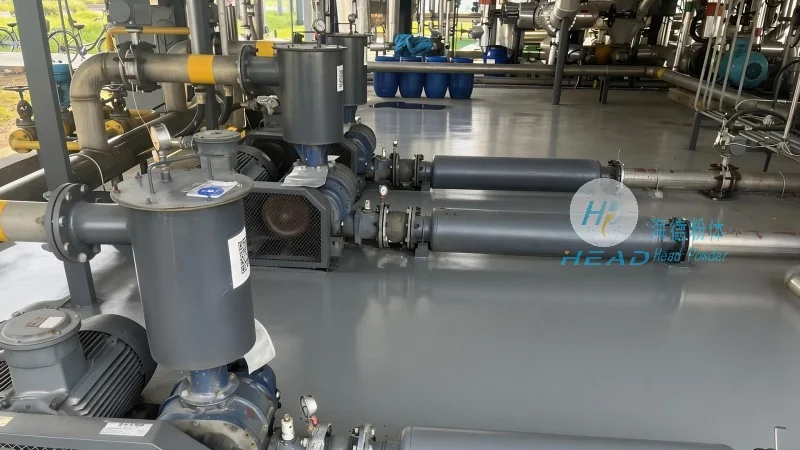
Negative pressure conveying is often employed in smaller coffee processing operations or for specific stages like coffee bean sorting or de-pulping. For example, a coffee bean sorting facility might use a negative pressure system to collect sorted beans from multiple hoppers and transport them to a central collection point. The system's gentle handling and low noise make it suitable for operations where product quality and worker comfort are priorities.
Conclusion and Recommendations
Choosing between positive pressure and negative pressure conveying for coffee beans requires a thorough evaluation of your specific operational needs, including distance, layout, material characteristics, and budget constraints. Positive pressure systems offer greater flexibility and capacity for long-distance and complex conveying, while negative pressure systems excel in short-distance, gentle handling applications. By understanding the principles and applications of each system, you can select the most efficient and cost-effective solution for your coffee processing facility.
For expert guidance and customized solutions, Shandong HeadPowder Engineering Co., Ltd. (headpowder) provides comprehensive services tailored to the coffee industry. With years of experience in designing and implementing conveying systems, their team of engineers can help you assess your requirements and recommend the optimal system to enhance your production efficiency and product quality. Located in Shandong, China, headpowder is committed to delivering high-quality equipment and support to coffee processing businesses worldwide.