

Ceramic Powder Pneumatic Conveying Technology: In-Depth Analysis of Vacuum and Positive Pressure Con
Ceramic powders are widely used in various industrial applications, including ceramics manufacturing, electronics, and pharmaceuticals. The efficient and reliable transport of these powders is crucial for maintaining product quality and process efficiency. Pneumatic conveying is a key technology for handling ceramic powders, offering advantages such as low contamination, minimal product degradation, and the ability to transport materials over long distances. This article provides a comprehensive overview of pneumatic conveying technologies for ceramic powders, focusing on vacuum and positive pressure systems, and their practical applications. Shandong HeadPowder Engineering Co., Ltd., a leading provider of pneumatic conveying solutions, specializes in developing and implementing efficient systems for ceramic powder handling, ensuring optimal performance and cost-effectiveness for its clients.
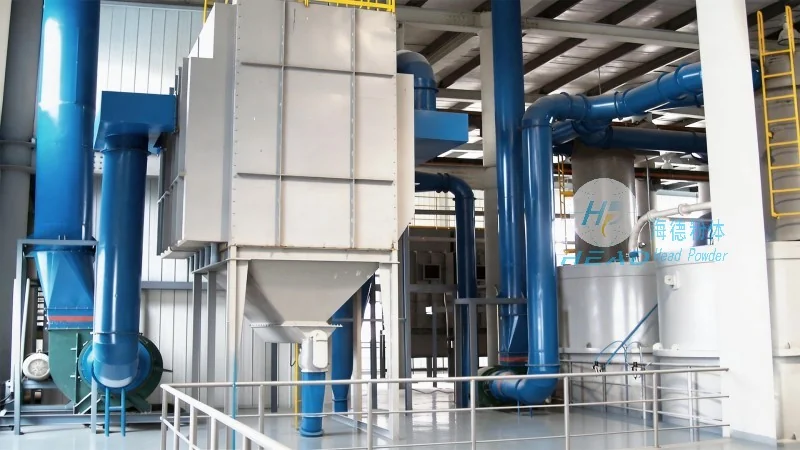
Vacuum Pneumatic Conveying Systems for Ceramic Powders
Vacuum pneumatic conveying systems are commonly used for transporting ceramic powders from a central collection point to a processing unit. These systems operate by creating a negative pressure in the conveying line, which draws the powder from the source into the system. The primary components of a vacuum system include a vacuum pump, a hopper, a rotary valve, and a filter. The vacuum pump generates the necessary suction force to move the powder, while the hopper stores the material and the rotary valve controls the flow rate. The filter is essential for capturing any fine particles and preventing them from being released into the environment. Vacuum systems are particularly suitable for applications where the powder needs to be collected from multiple points and transported to a single destination. They are also effective for handling powders that are prone to dusting or caking, as the negative pressure helps to maintain the material's integrity. The efficiency of vacuum systems can be enhanced by using a combination of vacuum and pressure zones, where the material is first drawn into a low-pressure zone and then transferred to a higher-pressure zone for further processing. This approach minimizes the risk of material degradation and ensures consistent flow rates.
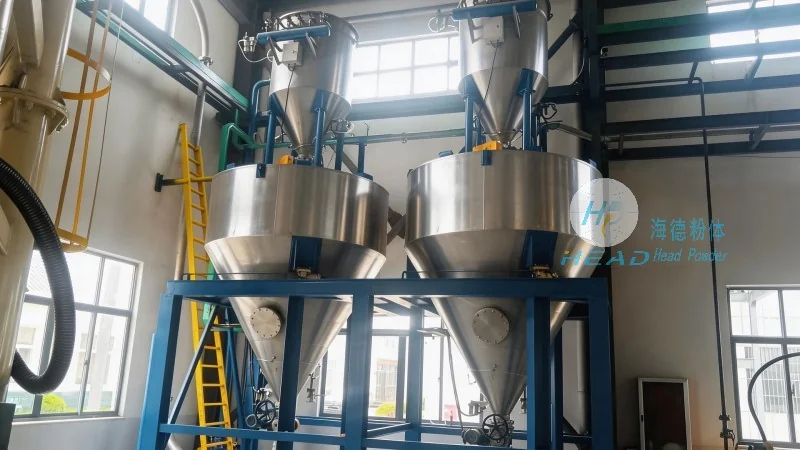
Positive Pressure Pneumatic Conveying Systems for Ceramic Powders
Positive pressure pneumatic conveying systems, on the other hand, operate by blowing air or gas through the conveying line to push the powder forward. These systems are often preferred for applications that require high flow rates or the transport of abrasive materials. The main components of a positive pressure system include a blower, a hopper, a rotary valve, and a dust collector. The blower provides the necessary pressure to move the powder, while the hopper and rotary valve control the material flow. The dust collector is used to capture any particles that may escape from the system. Positive pressure systems are particularly effective for transporting powders over long distances or through complex piping networks. They can also handle materials that are sensitive to moisture or temperature changes, as the system can be equipped with heating or cooling elements to maintain optimal conditions. One of the key advantages of positive pressure systems is their ability to handle high volumes of material, making them suitable for large-scale production facilities. However, they may require more maintenance than vacuum systems due to the higher pressure and the potential for wear on the components. Proper maintenance, including regular cleaning of the hopper and filter, is essential to ensure the system operates efficiently and safely.
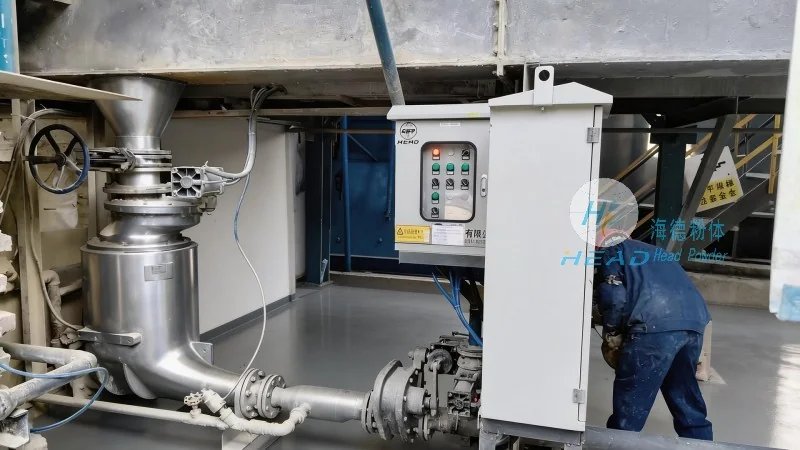
Key Considerations for Choosing Between Vacuum and Positive Pressure Systems
When selecting a pneumatic conveying system for ceramic powders, several factors need to be considered to ensure the best performance and cost-effectiveness. The first consideration is the distance and layout of the conveying system. Vacuum systems are generally more suitable for shorter distances and simpler layouts, while positive pressure systems are better for longer distances or complex networks. The second factor is the nature of the ceramic powder, including its particle size, density, and flow characteristics. Powders with fine particles or high moisture content may require a vacuum system to prevent clogging, while abrasive or high-volume powders may benefit from a positive pressure system. The third consideration is the required flow rate and pressure. Vacuum systems typically have lower flow rates but can handle higher pressures, while positive pressure systems can achieve higher flow rates but may require more energy. The fourth factor is the environmental and safety requirements. Vacuum systems are often preferred in applications where dust control is critical, as they minimize the release of particles into the air. Positive pressure systems, however, may require additional safety measures to prevent the release of dust or gas. Finally, the cost of the system and its maintenance should be considered. Vacuum systems are generally less expensive to install and maintain, while positive pressure systems may have higher initial costs but lower operating costs due to their higher efficiency.