

Design of a Phosphate Calcium Pneumatic Conveying System
Headpowder, the abbreviation for Shandong HeadPowder Engineering Co., Ltd., is a professional engineering firm based in Shandong, China. The company specializes in the design, manufacturing, and installation of advanced pneumatic conveying systems, particularly for handling phosphate calcium materials. With years of experience in the field, Headpowder has developed a comprehensive range of solutions tailored to the unique challenges of transporting bulk materials like phosphate calcium efficiently and reliably.
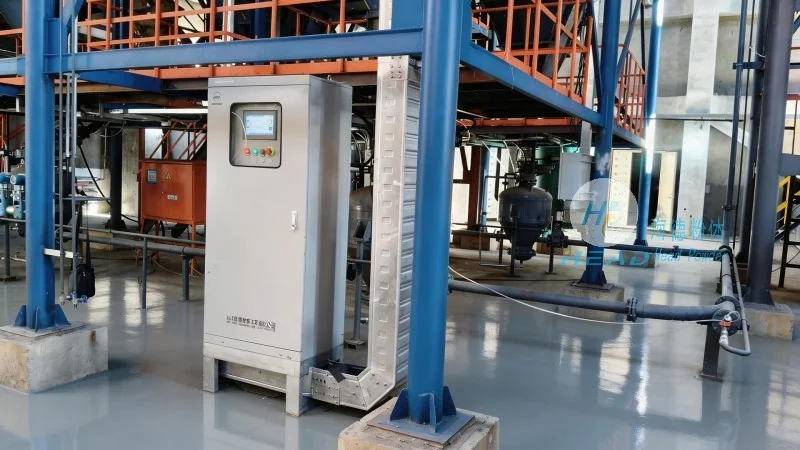
Product Overview: Phosphate Calcium Pneumatic Conveying System
The phosphate calcium pneumatic conveying system designed by Headpowder is engineered to handle the specific properties of phosphate calcium, including its particle size, moisture content, and flow characteristics. This system utilizes a combination of positive and negative pressure conveying methods to ensure optimal material transport from the source to the destination. The design incorporates high-quality components, such as robust airlocks, efficient cyclones, and durable pipeline systems, all of which are selected to withstand the demands of continuous operation in industrial settings.
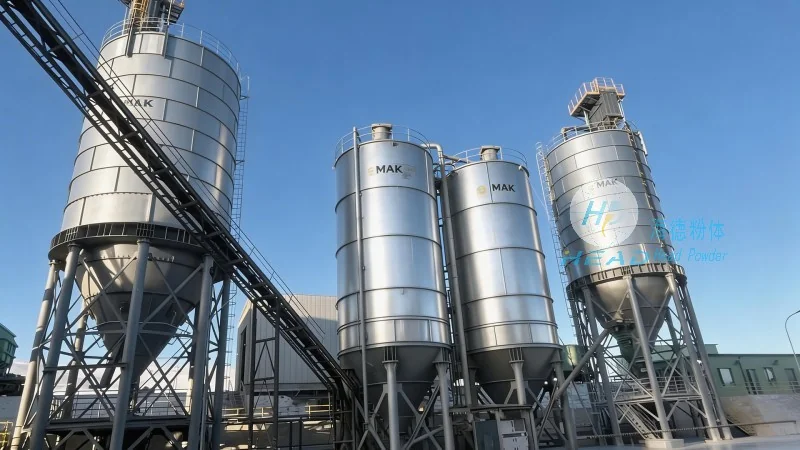
Key Design Features
The system's design prioritizes efficiency, reliability, and safety. One of the core features is the integrated airlock system, which prevents material leakage and ensures a consistent flow rate. The cyclone separator is another critical component, effectively separating the conveyed material from the air stream, reducing dust emissions and improving overall system performance. Additionally, the pipeline network is constructed using corrosion-resistant materials, such as stainless steel, to accommodate the chemical properties of phosphate calcium and extend the system's service life. The control system is user-friendly, allowing operators to monitor and adjust conveying parameters in real-time, enhancing operational flexibility and reducing downtime.
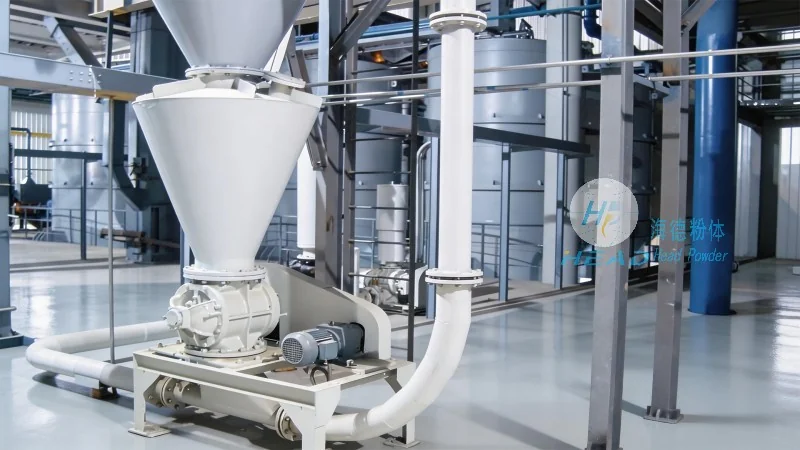
Technical Specifications and Application Scenarios
The phosphate calcium pneumatic conveying system from Headpowder is available in various configurations to suit different production scales and material handling requirements. Typical technical specifications include a conveying capacity ranging from 1 to 50 tons per hour, depending on the system size and the specific characteristics of the phosphate calcium being transported. The system operates at pressures between 0.5 to 2 bar, with adjustable air flow rates to maintain optimal material transport. Applications include the transportation of phosphate calcium from storage silos to processing units, from production lines to packaging areas, and between different facilities within a manufacturing plant. The system's adaptability makes it suitable for both new installations and retrofitting existing infrastructure.
Maintenance and Performance
Headpowder emphasizes the importance of regular maintenance to ensure the long-term performance of the pneumatic conveying system. The design incorporates easy access points for cleaning and inspection, reducing downtime during maintenance activities. The system's performance is monitored through built-in sensors and indicators, which alert operators to any deviations in pressure, flow, or material level. This proactive approach helps prevent system failures and ensures consistent material transport. The robust construction and high-quality components used in the system contribute to low maintenance costs and extended operational life, making it a cost-effective solution for industrial applications.
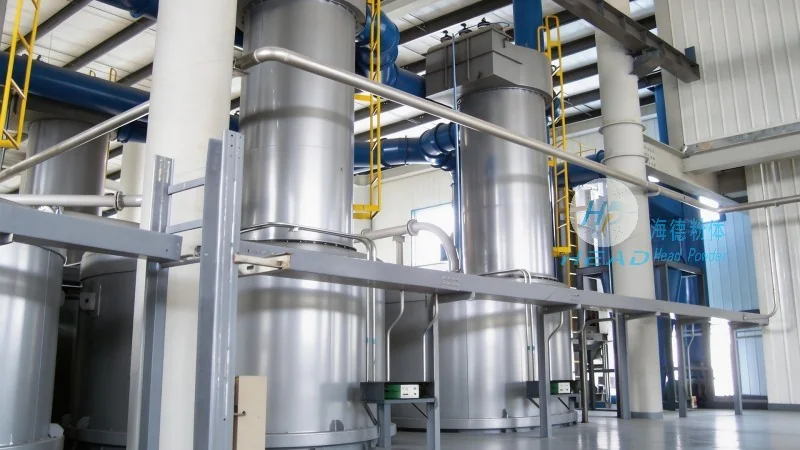
Conclusion
Headpowder's phosphate calcium pneumatic conveying system represents a reliable and efficient solution for handling phosphate calcium materials in industrial settings. By combining advanced engineering, high-quality components, and user-friendly controls, the system meets the demanding requirements of modern manufacturing processes. With its focus on performance, durability, and ease of maintenance, this system is an ideal choice for companies seeking to optimize their material handling operations and improve overall productivity.