

Advantages and Disadvantages Comparison of Negative Pressure and Positive Pressure Conveying in Poly
Polysilicon, a critical material in the semiconductor and solar energy industries, requires efficient and reliable material handling solutions for its transportation from production sites to processing facilities. Pneumatic conveying systems have emerged as a preferred method due to their ability to transport bulk materials like polysilicon through pipelines using air pressure. Two primary types of pneumatic conveying systems are widely used: negative pressure (or suction) conveying and positive pressure (or pressure) conveying. Each method has distinct characteristics, advantages, and limitations that impact operational efficiency, material integrity, and system maintenance. This article provides a comprehensive comparison of the advantages and disadvantages of negative pressure versus positive pressure conveying in the context of polysilicon handling, with a focus on practical considerations for industry applications.
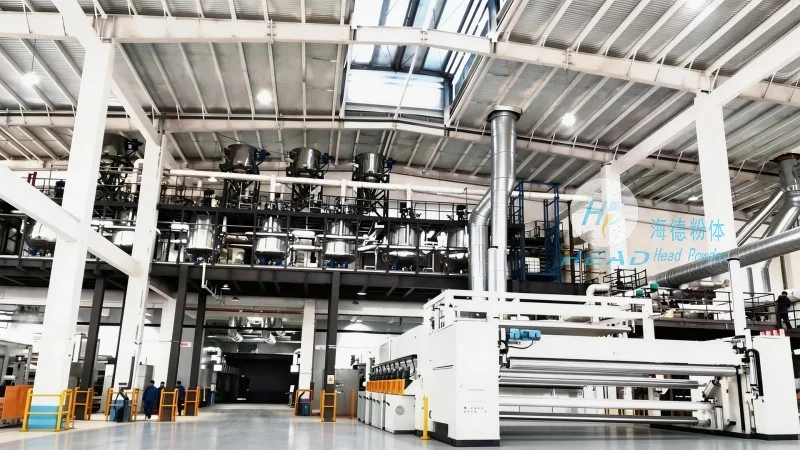
Overview of Negative Pressure and Positive Pressure Conveying
Negative pressure conveying, also known as suction conveying, operates by creating a low-pressure zone in the conveying line using a vacuum pump. This low pressure draws the material from the source into the pipeline. Positive pressure conveying, conversely, uses a blower or compressor to generate high-pressure air that pushes the material through the pipeline. The choice between these two systems depends on factors such as material properties, system layout, and operational requirements. Both methods have been successfully applied in polysilicon processing, but their suitability varies based on specific plant configurations and material handling needs.
Advantages of Negative Pressure Conveying in Polysilicon Handling
Negative pressure conveying offers several advantages when handling polysilicon. First, it minimizes the risk of material contamination. The vacuum environment reduces the likelihood of external particles entering the system, which is crucial for maintaining the high purity of polysilicon, a material sensitive to impurities. Second, negative pressure systems are generally more energy-efficient for certain applications. The vacuum pump operates at lower power consumption compared to the high-pressure blowers used in positive pressure systems, leading to reduced operational costs over time. Third, these systems are often simpler in design and easier to install, particularly in existing facilities where modifications to the existing infrastructure are limited. The suction mechanism allows for the conveyance of materials from multiple sources without the need for complex valve arrangements, enhancing flexibility in material handling.
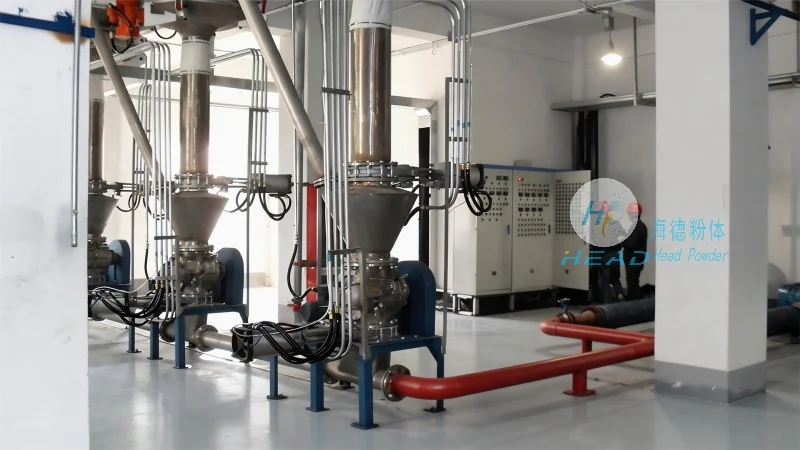
Disadvantages of Negative Pressure Conveying in Polysilicon Handling
Despite its advantages, negative pressure conveying has notable drawbacks in polysilicon applications. One significant limitation is the lower material capacity compared to positive pressure systems. The suction force is limited by the vacuum level, which restricts the amount of material that can be conveyed per unit time. This can lead to longer conveying times and increased system downtime, especially for large-scale polysilicon production. Second, negative pressure systems are more susceptible to blockages. The low pressure can cause material to settle in the pipeline, leading to clogs that require frequent maintenance and cleaning. Additionally, the vacuum pump must be located at a higher elevation than the material source to ensure proper suction, which may not be feasible in all plant layouts, adding to the complexity of system design. The risk of air leakage is also higher in negative pressure systems, as any breach in the pipeline can allow external air to enter and contaminate the material.
Advantages of Positive Pressure Conveying in Polysilicon Handling
Positive pressure conveying provides several benefits that make it attractive for polysilicon handling. The primary advantage is the higher material capacity and throughput. The high-pressure air can transport larger volumes of material at faster speeds, reducing overall conveying time and increasing production efficiency. This is particularly advantageous in large-scale polysilicon plants where high throughput is essential. Second, positive pressure systems are less prone to blockages compared to negative pressure systems. The high pressure helps to keep the material in suspension, preventing it from settling and causing clogs. Third, these systems are more flexible in terms of layout design. The blower can be located at ground level or even at a lower elevation than the material source, making it easier to integrate into existing plant infrastructure. This flexibility allows for more efficient use of space and easier maintenance access.
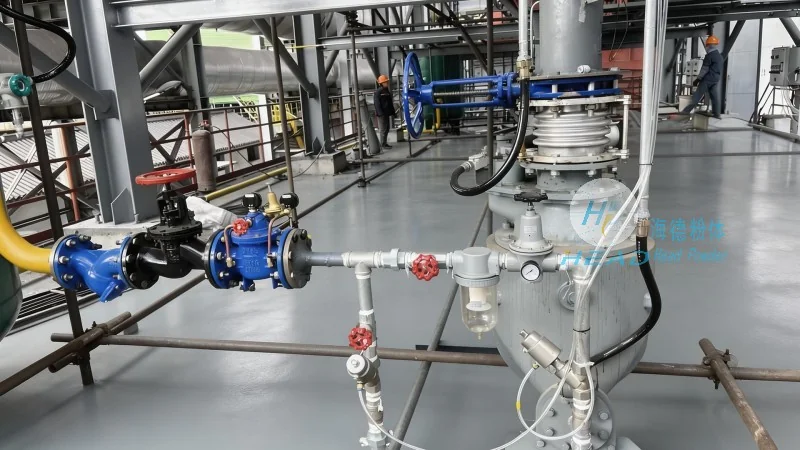
Disadvantages of Positive Pressure Conveying in Polysilicon Handling
Positive pressure conveying also has its disadvantages in polysilicon applications. The most significant drawback is the higher risk of material contamination. The high-pressure air can carry particles from the pipeline or surrounding environment into the material stream, compromising the purity of polysilicon. This is a critical concern in semiconductor and solar applications where even minor impurities can affect product quality. Second, positive pressure systems are more energy-intensive. The high-pressure blowers consume more power than vacuum pumps, leading to higher operational costs, especially in plants with high material throughput. Third, these systems require more robust pipeline and valve components to withstand the high pressure, increasing the initial investment and maintenance requirements. The complexity of the system also increases, as more components are needed to manage the high-pressure air and prevent leaks.
Conclusion and Recommendations for Choosing the Right Conveying Method
In conclusion, the choice between negative pressure and positive pressure conveying for polysilicon handling depends on a careful evaluation of operational needs, material properties, and system constraints. Negative pressure conveying is ideal for applications where material purity is paramount and energy efficiency is a priority, such as in small to medium-scale polysilicon production or where the plant layout favors a vacuum system. Positive pressure conveying, on the other hand, is better suited for large-scale operations requiring high throughput and flexibility in system design, even if it means accepting higher energy costs and a slightly increased risk of contamination.