

Pros and Cons of Negative Pressure vs. Positive Pressure Pneumatic Conveying for Masterbatch Granule
Masterbatch granules are widely used in the plastic industry for color and additive incorporation. Efficient material handling is crucial for maintaining production efficiency and product quality. Pneumatic conveying systems offer a flexible solution for transporting these granules, with two primary methods: negative pressure (suction) and positive pressure (blowing) conveying. This article provides a detailed comparison of the advantages and disadvantages of each approach, helping industry professionals make informed decisions when selecting a conveying system for their masterbatch processing operations.
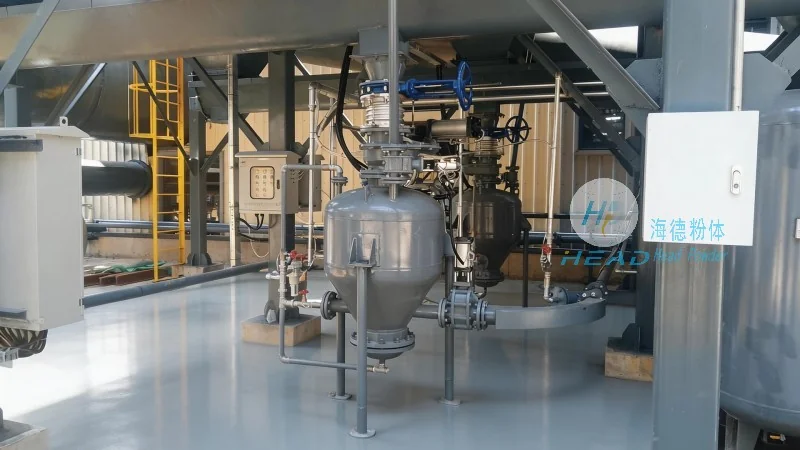
Overview of Pneumatic Conveying Systems for Masterbatch Granules
Pneumatic conveying uses air to transport bulk materials like masterbatch granules through a pipeline. The choice between negative and positive pressure systems depends on factors such as material properties, system layout, and operational requirements. Both methods have distinct characteristics that impact performance, cost, and maintenance.
Advantages and Disadvantages of Negative Pressure (Suction) Pneumatic Conveying
Negative pressure systems operate by creating a vacuum at the receiving end to draw material from the source. This method is often preferred for applications where the material is to be transferred from a central storage point to a processing unit. One of the key benefits of negative pressure conveying is its ability to handle materials with a higher moisture content or those that are prone to dust generation, as the vacuum helps to control particulate release. Additionally, negative pressure systems are generally more cost-effective for short to medium distance conveying, as they require less powerful air compressors compared to positive pressure systems.
However, negative pressure conveying has several limitations. The primary drawback is its lower conveying capacity compared to positive pressure systems, which can be a challenge for high-volume production lines. The vacuum created may also cause material to stick to the pipeline walls, leading to blockages and increased maintenance. Furthermore, the system's performance is highly dependent on the air velocity and pressure differential, which can be affected by changes in material flow or pipeline obstructions. This variability can impact the reliability of material delivery, especially in continuous production environments.
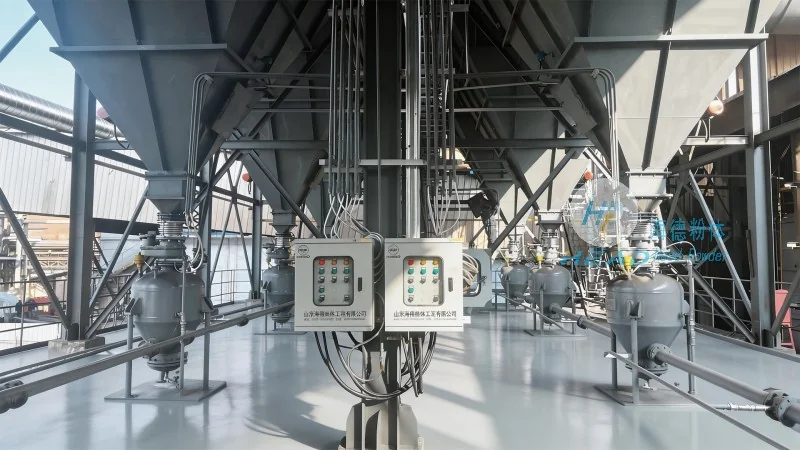
Advantages and Disadvantages of Positive Pressure (Blowing) Pneumatic Conveying
Positive pressure systems generate high-pressure air at the source to push material through the pipeline. This method is typically used for long-distance or high-volume conveying, as it can handle larger quantities of material with greater efficiency. A significant advantage of positive pressure conveying is its higher conveying capacity, making it suitable for large-scale masterbatch processing operations. The system also offers better control over material flow, as the pressure can be adjusted to maintain consistent velocity and prevent material degradation or segregation.
Despite these benefits, positive pressure systems come with notable drawbacks. The most prominent disadvantage is the higher capital and operational costs associated with powerful air compressors and the associated energy consumption. The high-pressure air can also cause wear and tear on pipeline components, leading to increased maintenance and potential system downtime. Additionally, positive pressure conveying may generate more noise and vibration, which can affect the working environment and require additional noise control measures. The system's performance is also sensitive to pipeline length and bends, as excessive pressure loss can reduce material transport efficiency.
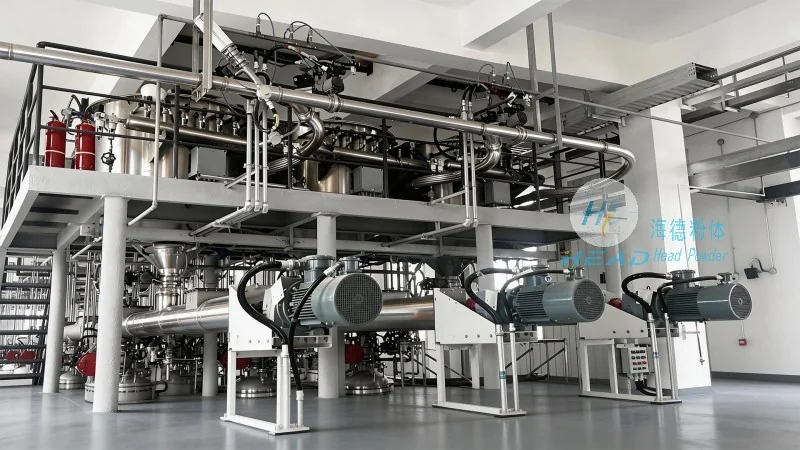
Key Considerations for Selecting the Right Conveying System
When choosing between negative and positive pressure pneumatic conveying for masterbatch granules, several factors must be considered. The first is the distance and volume of material to be transported. Shorter distances and lower volumes may favor negative pressure systems due to lower costs and simpler setup. For long distances or high-volume production, positive pressure systems are often more efficient. Material properties, such as particle size, moisture content, and abrasiveness, also play a critical role. For materials that are dusty or have high moisture, negative pressure may be preferred to minimize dust dispersion. Conversely, for non-abrasive materials requiring high throughput, positive pressure is a better choice.
Another important consideration is the system layout and available space. Negative pressure systems typically require a dedicated receiving hopper and can be more flexible in terms of layout, as the vacuum can be applied to multiple points. Positive pressure systems, on the other hand, require a central air compressor and may need more extensive pipeline infrastructure. Maintenance and operational costs are also critical factors. Negative pressure systems generally have lower maintenance requirements and energy consumption, while positive pressure systems may need more frequent component replacement and higher energy bills.
Conclusion
Both negative pressure and positive pressure pneumatic conveying systems have their place in masterbatch granule handling, each with distinct advantages and disadvantages. The optimal choice depends on the specific application requirements, including material characteristics, conveying distance, and production volume. By carefully evaluating these factors, industry professionals can select the most suitable conveying system to ensure efficient, reliable, and cost-effective material transport. For companies seeking advanced solutions in masterbatch processing, Shandong HeadPowder Engineering Co., Ltd., based in Shandong, China, offers specialized equipment and expertise to meet diverse conveying needs. Their commitment to quality and innovation ensures that clients receive tailored solutions that enhance operational efficiency and product quality.