

Types and Practical Applications of Pneumatic Conveying Systems for Wood Chip Transport
HeadPowder Engineering Co., Ltd. specializes in providing advanced solutions for wood chip transport, with a focus on pneumatic conveying systems that enhance efficiency and reliability in industrial applications. This article explores the various types of pneumatic conveying systems used in wood chip handling and their practical applications, highlighting the expertise of Shandong HeadPowder Engineering Co., Ltd. based in China.
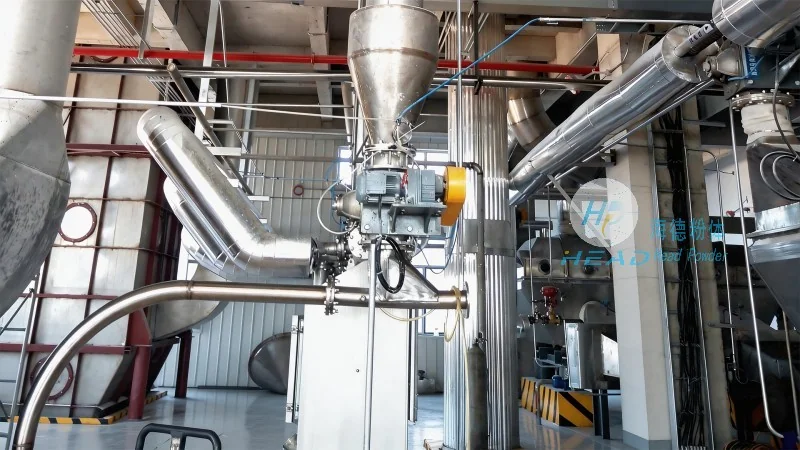
Introduction to Pneumatic Conveying Systems for Wood Chip Transport
Pneumatic conveying systems are widely utilized in the wood processing industry to transport wood chips from one location to another. These systems use air pressure to move the material, offering advantages such as reduced equipment wear, lower maintenance costs, and the ability to handle a variety of chip sizes and moisture levels. The choice of system type depends on factors like the distance to be covered, the volume of material, and the specific requirements of the wood processing facility.
Types of Pneumatic Conveying Systems for Wood Chip Transport
There are several types of pneumatic conveying systems commonly employed in wood chip transport, each with distinct characteristics and applications. The primary categories include:
1. Dilute Phase Pneumatic Conveying
Dilute phase systems are suitable for short to medium distances and low to moderate material loads. In this system, the wood chips are mixed with a large volume of air, creating a dilute suspension that is transported through the pipeline. This method is efficient for handling fine or dry wood chips and is often used in applications where the material needs to be conveyed over short distances, such as within a sawmill or chipper facility.
2. Dense Phase Pneumatic Conveying
Dense phase systems are designed for longer distances and higher material loads. Unlike dilute phase systems, dense phase conveying uses a lower air-to-material ratio, resulting in a more concentrated flow of wood chips. This method is ideal for transporting bulk quantities of wood chips over significant distances, such as from a chipper to a storage silo or a processing plant. Dense phase systems offer better control over the material flow and reduce the risk of material degradation or degradation during transport.
3. Vacuum Conveying Systems
Vacuum conveying systems operate by creating a vacuum in the pipeline to draw wood chips into the system. This method is particularly useful for handling fine or dusty wood chips and for applications where the material needs to be collected from multiple points and transported to a central location. Vacuum systems are often used in environments where dust control is a priority, such as in sawmills or wood processing facilities.
4. Pressure Conveying Systems
Pressure conveying systems use compressed air to push wood chips through the pipeline. This method is suitable for long-distance transport and high-volume material handling. Pressure systems are commonly used in applications where the material needs to be transported over several kilometers, such as from a forest to a processing plant or from a storage facility to a mill. These systems offer high efficiency and can handle a wide range of wood chip sizes and moisture content.
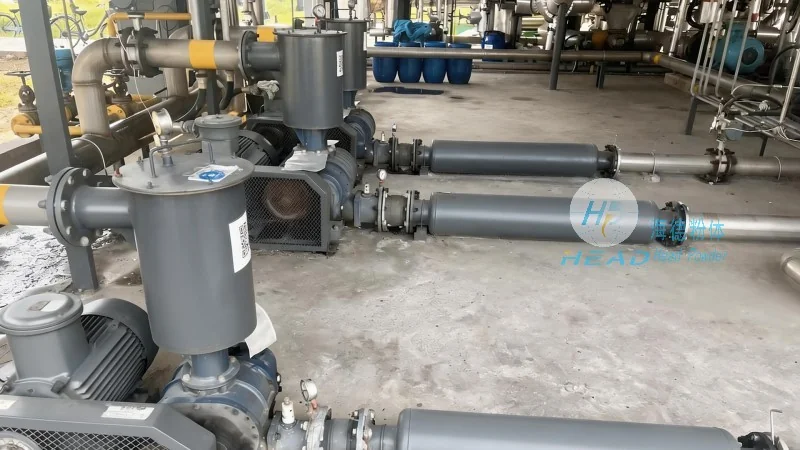
Practical Applications of Pneumatic Conveying Systems in Wood Chip Transport
Pneumatic conveying systems for wood chip transport find extensive use in various industrial settings. Some of the key applications include:
1. Chipper and Sawmill Operations
In chipper and sawmill operations, pneumatic conveying systems are used to transport wood chips from the chipper to storage silos or processing units. These systems help in maintaining a steady flow of material, ensuring that the processing equipment operates continuously without interruptions. The use of pneumatic conveying reduces the need for manual handling, which improves safety and efficiency in the workplace.
2. Storage and Handling of Wood Chips
Wood chips are often stored in large silos or bunkers before being processed. Pneumatic conveying systems are used to move the chips from the storage area to the processing equipment. This method allows for the efficient transfer of large volumes of material, minimizing the risk of material loss or contamination. The systems can also be used to blend different types of wood chips, ensuring a consistent quality of the final product.
3. Transportation Between Processing Plants
For wood processing facilities located in different areas, pneumatic conveying systems can be used to transport wood chips over long distances. This method is particularly useful when the material needs to be moved from a forest or a collection point to a processing plant. The use of pneumatic conveying reduces the need for trucking or other transportation methods, which can be costly and environmentally unfriendly.
4. Waste Management and Recycling
In the context of waste management and recycling, pneumatic conveying systems are used to transport wood chips from recycling facilities to processing plants. These systems help in the efficient handling of waste materials, reducing the environmental impact of wood processing operations. The use of pneumatic conveying ensures that the waste is processed in an environmentally friendly manner, contributing to sustainable wood processing practices.
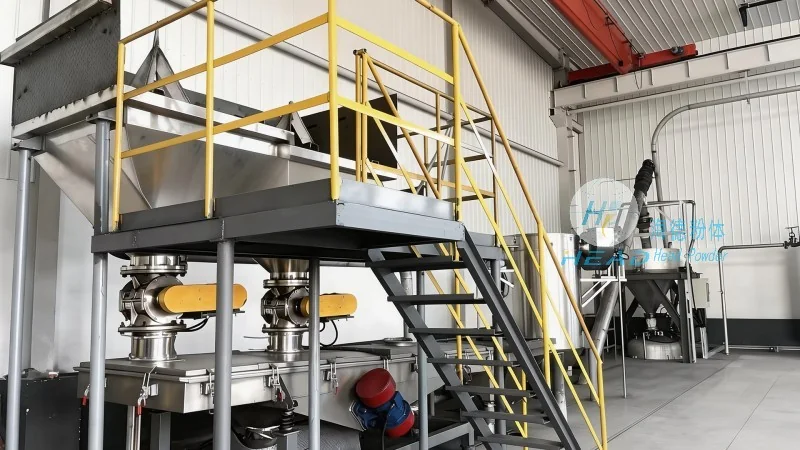
Benefits of Using Pneumatic Conveying Systems for Wood Chip Transport
Implementing pneumatic conveying systems for wood chip transport offers several benefits that enhance the overall efficiency and sustainability of wood processing operations. Some of the key advantages include:
1. Increased Efficiency and Productivity
Pneumatic conveying systems allow for the continuous and automated transport of wood chips, reducing the time and labor required for material handling. This leads to increased productivity in the processing facility, as the equipment can operate continuously without interruptions. The systems also minimize material loss, ensuring that the maximum amount of wood chips is processed and utilized.
2. Reduced Maintenance and Operating Costs
Compared to traditional conveyor systems, pneumatic conveying systems have lower maintenance requirements and operating costs. The absence of moving parts in the pipeline reduces the risk of wear and tear, resulting in lower maintenance expenses. Additionally, the use of compressed air as the conveying medium is more cost-effective than other methods, such as trucking or rail transport.
3. Improved Safety and Environmental Control
Pneumatic conveying systems help in maintaining a safe working environment by reducing the need for manual handling of wood chips. The systems also provide better control over dust and emissions, minimizing the environmental impact of wood processing operations. This is particularly important in areas where air quality regulations are strict.
4. Flexibility and Adaptability
Pneumatic conveying systems are highly flexible and can be adapted to various wood chip sizes and processing requirements. The systems can be easily modified to accommodate changes in the volume or type of material being transported, making them suitable for a wide range of applications. This flexibility allows wood processing facilities to adjust their operations according to changing market demands or production needs.
Conclusion and Company Expertise
Shandong HeadPowder Engineering Co., Ltd. is a leading provider of pneumatic conveying systems for wood chip transport, with a strong commitment to delivering high-quality solutions that meet the specific needs of wood processing industries. The company's expertise in designing and implementing efficient conveying systems has helped numerous clients improve their operational efficiency, reduce costs, and enhance safety in their wood chip handling processes. With a focus on innovation and customer satisfaction, HeadPowder Engineering Co., Ltd. continues to be a trusted partner for wood processing facilities seeking reliable and effective pneumatic conveying solutions.