

Types and Practical Applications of Pneumatic Conveying Systems for Calcium Carbide Slag Transport
Calcium carbide slag, a byproduct from the production of calcium carbide, poses unique challenges in handling and transportation due to its high moisture content, abrasive nature, and potential for dust generation. Traditional methods such as belt conveyors or bucket elevators may struggle with these characteristics, leading to equipment wear, blockages, and environmental issues. Pneumatic conveying systems offer a reliable and efficient solution for transporting calcium carbide slag, providing flexibility, reduced maintenance, and improved safety in industrial settings.
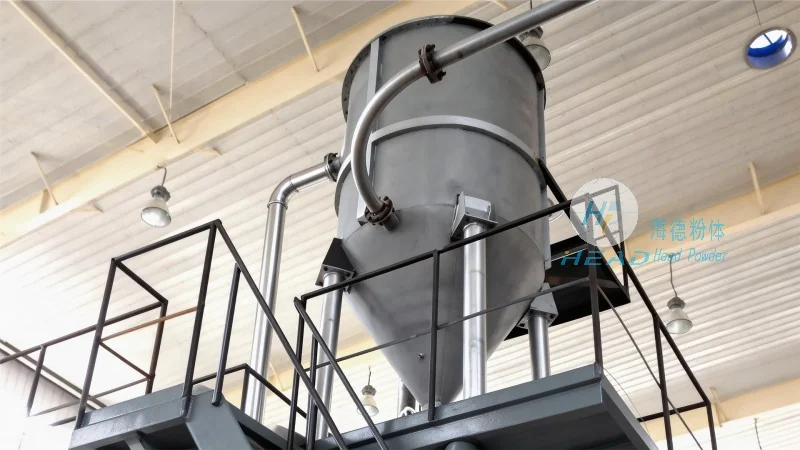
Overview of Pneumatic Conveying Systems for Calcium Carbide Slag
Pneumatic conveying systems utilize air or other gases to transport bulk materials through a pipeline network. These systems are categorized into two main types: dilute-phase and dense-phase. Dilute-phase systems, which are commonly used for calcium carbide slag, rely on high-velocity air to suspend the material particles, allowing for long-distance transport with minimal pressure drops. Dense-phase systems, on the other hand, operate at lower velocities, using higher air pressure to push the material in a plug flow, which is suitable for handling more abrasive or sticky materials.
Different Types of Pneumatic Conveying Systems
For calcium carbide slag transport, several pneumatic conveying system types are commonly employed, each with specific advantages and applications.
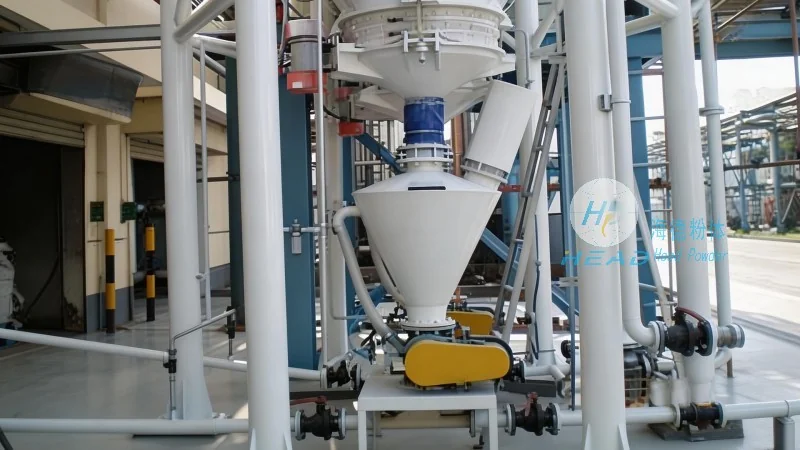
Dilute-Phase Pneumatic Conveying: This system is ideal for transporting calcium carbide slag over medium to long distances. It operates by injecting high-velocity air into the material stream, creating a suspension that flows through the pipeline. The key components include a feeder, a venturi (or eductor), and a receiver. The feeder ensures a consistent material feed, while the venturi generates the necessary air velocity to keep the slag particles airborne. Dilute-phase systems are cost-effective for large-scale operations and can handle high material throughput, making them suitable for industrial plants producing significant amounts of slag.
Dense-Phase Pneumatic Conveying: When calcium carbide slag has higher moisture content or is more abrasive, dense-phase systems are preferred. These systems use lower air velocities and higher air pressure to move the material in a plug flow, reducing wear on the pipeline and equipment. The dense-phase system typically includes a positive displacement blower or compressor, a feeder, and a receiver. The positive displacement equipment provides a steady air flow, ensuring consistent material transport without the risk of blockages. Dense-phase systems are particularly useful for short to medium-distance transport where equipment protection is critical.
Hybrid Pneumatic Conveying: Some applications may require a combination of dilute and dense-phase characteristics. Hybrid systems integrate elements of both types, allowing for flexible operation under varying material conditions. For example, a hybrid system might use a dilute-phase section for initial transport and a dense-phase section for the final delivery to a storage or processing unit. This approach provides optimal performance while accommodating different material properties and transport requirements.
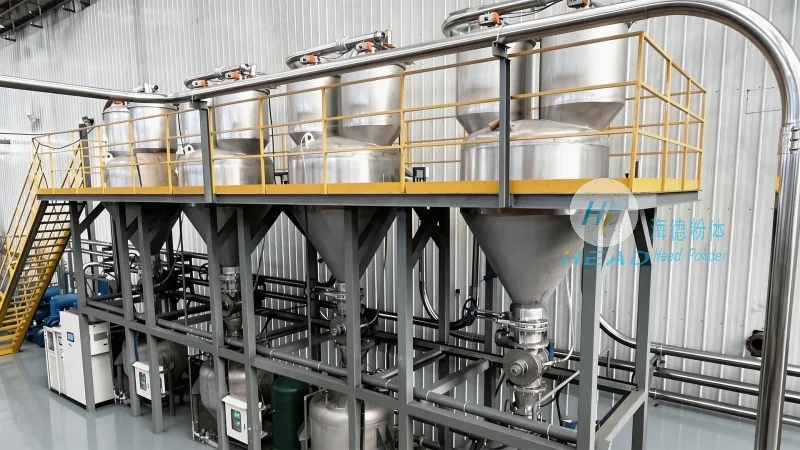
Practical Applications in Industrial Settings
Pneumatic conveying systems for calcium carbide slag find widespread application in various industrial sectors, including chemical manufacturing, steel production, and waste management. In chemical plants, these systems are used to transport slag from reactors to storage silos or for further processing, such as drying or pelletization. In steel mills, calcium carbide slag is often used as a raw material for cement production, and pneumatic conveying facilitates the efficient transfer of this material between facilities. Waste management facilities also utilize pneumatic conveying to handle calcium carbide slag, ensuring proper disposal or recycling while maintaining environmental compliance.
In practical terms, a typical application involves a calcium carbide production plant in Shandong, China. The plant produces large volumes of slag, which is then conveyed via a dilute-phase pneumatic system to a nearby storage facility. The system, designed by Shandong HeadPowder Engineering Co., Ltd., incorporates advanced control mechanisms to regulate air flow and material feed, ensuring consistent operation and minimizing downtime. The receiver at the end of the pipeline is equipped with a dust collection system to prevent air pollution, aligning with environmental regulations. This application demonstrates the effectiveness of pneumatic conveying in handling calcium carbide slag efficiently and safely.
Another example is a steel processing plant that utilizes calcium carbide slag as an additive in the production of high-quality steel. The pneumatic conveying system transports the slag from the storage silo to the steel-making furnace, where it is added to the molten metal. The dense-phase system used in this case ensures that the slag particles are delivered without clumping or degradation, maintaining the quality of the final product. The system's reliability has contributed to increased production efficiency and reduced operational costs for the plant.
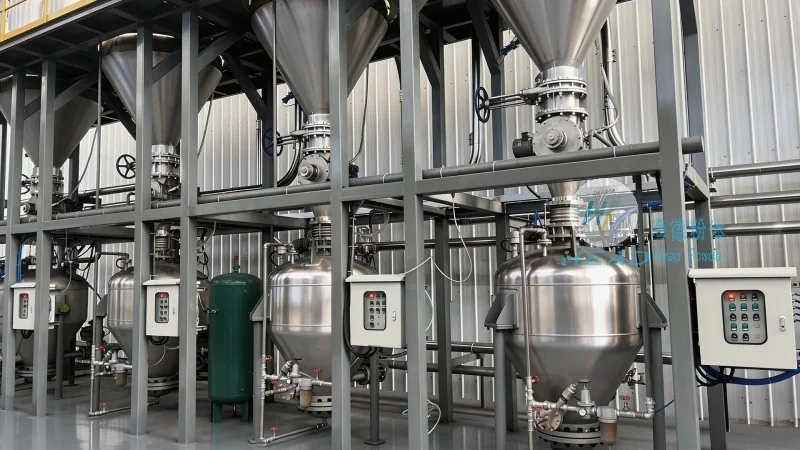
Key Considerations for System Design and Implementation
When designing a pneumatic conveying system for calcium carbide slag, several factors must be considered to ensure optimal performance and longevity. Material properties, such as moisture content, particle size distribution, and abrasiveness, are critical in selecting the appropriate system type and components. For example, highly abrasive slag may require specialized pipeline materials, such as stainless steel or high-grade alloys, to prevent wear and extend equipment life. Additionally, the distance and elevation changes between the source and destination affect the system's design, as longer distances or higher elevations may require higher air pressure or additional boosters.
System integration and maintenance are also essential considerations. A well-designed system should include monitoring and control features to adjust air flow and material feed in real-time, responding to changes in material conditions or operational demands. Regular maintenance, including cleaning of pipelines and replacement of worn components, is necessary to prevent blockages and ensure consistent performance. Shandong HeadPowder Engineering Co., Ltd. provides comprehensive support for system design, installation, and maintenance, ensuring that clients receive tailored solutions that meet their specific needs.