

Types and Practical Applications of Pneumatic Conveying Systems in Silicate Material Transport
HeadPowder, a leading engineering firm based in Shandong, China, specializes in advanced material handling solutions tailored for industries dealing with silicate materials. The company's expertise lies in the design, installation, and optimization of pneumatic conveying systems, which are critical for efficient and reliable transport of these materials. This article explores the various types of pneumatic conveying systems utilized in silicate material transport and their practical applications, highlighting the benefits and considerations for industry professionals.
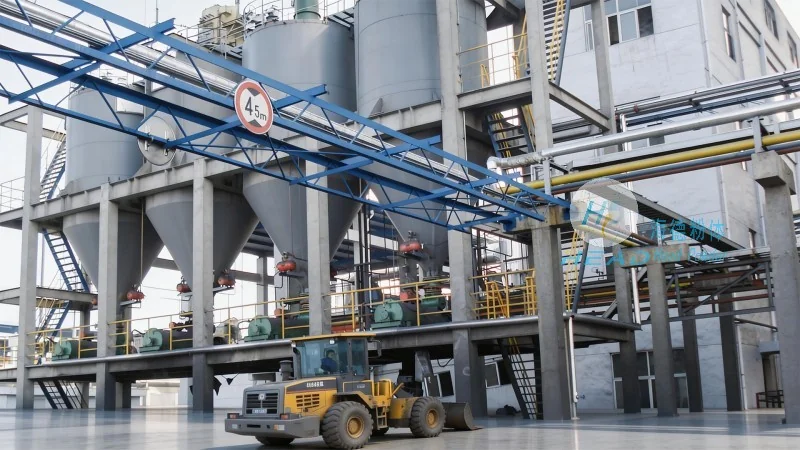
Understanding Pneumatic Conveying Systems for Silicate Materials
Pneumatic conveying systems are mechanical systems that use pressurized air or vacuum to transport bulk materials, such as silicates, from one location to another. These systems are widely adopted in the silicate industry due to their ability to handle materials with varying properties, including powders, granules, and fine particles. The primary goal of these systems is to ensure safe, efficient, and cost-effective material transport, minimizing downtime and operational risks.
Types of Pneumatic Conveying Systems
There are several types of pneumatic conveying systems, each with distinct characteristics suitable for different silicate material handling scenarios. The main categories include:
1. Dilute Phase Pneumatic Conveying
Dilute phase systems operate by transporting materials in a low concentration of particles suspended in air. This method is ideal for long-distance transport and is commonly used for fine powders and granules. The system typically involves a positive pressure blower or fan that pushes air through a pipeline, carrying the material particles. Dilute phase systems are known for their high capacity and relatively low energy consumption, making them suitable for large-scale silicate material transport.
2. Dense Phase Pneumatic Conveying
Dense phase systems, also known as low velocity systems, transport materials at a higher concentration of particles, often in a plug flow or slurry-like state. This method is preferred for materials that are sensitive to high velocity or for short to medium distance transport where minimal material degradation is required. Dense phase systems use lower air velocities and higher pressure, which helps in reducing particle attrition and maintaining material integrity. They are commonly used for transporting abrasive or valuable silicate materials.
3. Vacuum Conveying Systems
Vacuum conveying systems operate by creating a vacuum in the pipeline to draw materials from a source, such as a hopper or silo, to a destination. This method is particularly useful for applications where the material needs to be transported from a lower elevation or where the source is located in a confined space. Vacuum systems are often used for handling fine powders and can be integrated with dust collection systems to ensure environmental compliance. They are suitable for both short and long distances, depending on the system design and material properties.
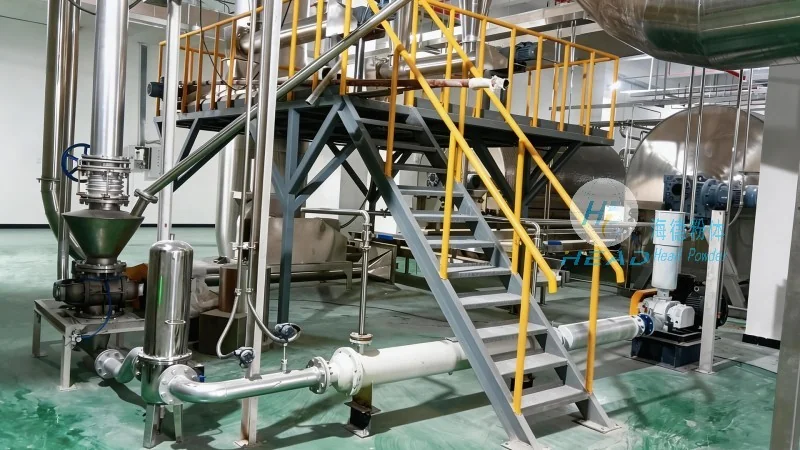
Practical Applications in Silicate Material Transport
The versatility of pneumatic conveying systems makes them applicable across various stages of silicate material processing. From raw material handling to finished product transport, these systems play a crucial role in optimizing operational efficiency. Some practical applications include:
1. Raw Material Handling in Silicate Production
In the production of silicate products like glass, ceramics, and refractory materials, raw materials such as silica sand, limestone, and feldspar are often in powder or granular form. Pneumatic conveying systems are used to transport these raw materials from storage silos to processing equipment, such as crushers, mixers, and furnaces. This ensures a continuous and controlled feed of materials, which is essential for maintaining consistent product quality and reducing process variability.
2. Intermediate Product Transport
During the manufacturing process, intermediate products, such as pre-mixed silicate powders or partially processed materials, are often transported between different processing units. Pneumatic conveying systems facilitate this transfer efficiently, minimizing the need for manual handling and reducing the risk of contamination. For example, in the production of ceramic tiles, intermediate powders are conveyed from grinding mills to drying ovens or storage silos using pneumatic systems.
3. Finished Product Packaging and Distribution
After processing, silicate products are often packaged and distributed to customers. Pneumatic conveying systems can be used to transport finished products from production lines to packaging facilities or storage areas. This ensures that the products are handled gently, preserving their quality and appearance. The systems can also be integrated with automated packaging lines to streamline the entire distribution process.
Benefits and Considerations for Silicate Material Handling
Implementing pneumatic conveying systems in silicate material transport offers several advantages, including improved safety, reduced labor costs, and enhanced process control. However, there are also considerations that need to be addressed to ensure optimal system performance. Key benefits include:
1. **Enhanced Safety**: Pneumatic systems eliminate the need for manual handling of bulk materials, reducing the risk of accidents and exposure to hazardous materials. This is particularly important when dealing with fine powders that can cause respiratory issues or other health hazards.
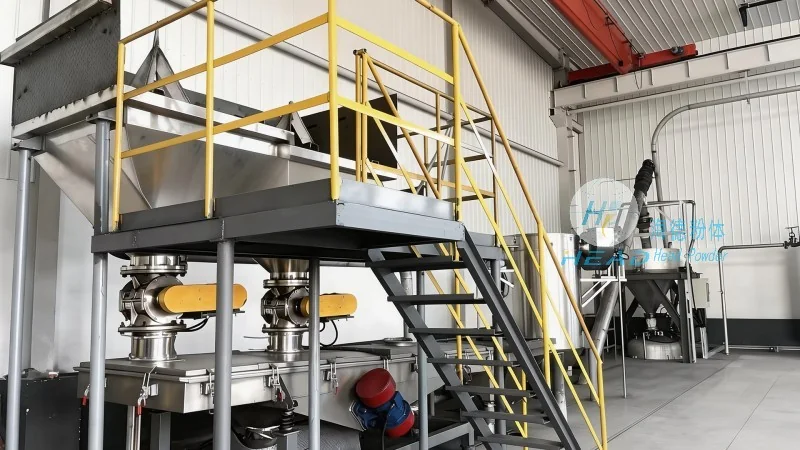
2. **Increased Efficiency**: By automating material transport, these systems reduce downtime and improve production throughput. The continuous flow of materials ensures that processing equipment operates at optimal capacity, leading to higher overall productivity.
3. **Cost Savings**: Over time, pneumatic conveying systems can lead to significant cost savings by reducing labor costs, minimizing material waste, and lowering energy consumption compared to traditional methods like belt conveyors or trucks.
4. **Flexibility and Scalability**: Pneumatic systems can be easily adapted to changing production needs, allowing for future expansion or modification without major infrastructure changes. This flexibility is crucial for industries that experience fluctuations in demand or product lines.
However, there are also considerations to keep in mind when selecting and implementing a pneumatic conveying system for silicate materials. These include material properties, such as particle size, density, and moisture content, which can affect system design and performance. Additionally, the system must be designed to handle potential issues like particle agglomeration, blockages, or air leakage, which can impact efficiency and reliability.
Conclusion
HeadPowder Engineering Co., Ltd., with its headquarters in Shandong, China, provides comprehensive solutions for pneumatic conveying systems tailored to the unique needs of the silicate industry. By understanding the different types of pneumatic conveying systems and their practical applications, industry professionals can make informed decisions to optimize material transport processes. The benefits of these systems, including enhanced safety, efficiency, and cost savings, make them a valuable investment for any silicate material handling operation. As the industry continues to evolve, the expertise of companies like HeadPowder will play a critical role in advancing material handling technologies and ensuring sustainable growth.