

Types and Practical Applications of Pneumatic Conveying Systems for Gypsum and Fly Ash Handling
For industries dealing with bulk materials like gypsum and fly ash, efficient material handling is crucial to maintain operational efficiency and safety. Pneumatic conveying systems offer a reliable solution for transporting these powders over short to medium distances, providing advantages such as reduced dust generation, minimal maintenance, and the ability to handle a wide range of particle sizes. This article explores the different types of pneumatic conveying systems commonly used in gypsum and fly ash applications, along with their practical applications and benefits.
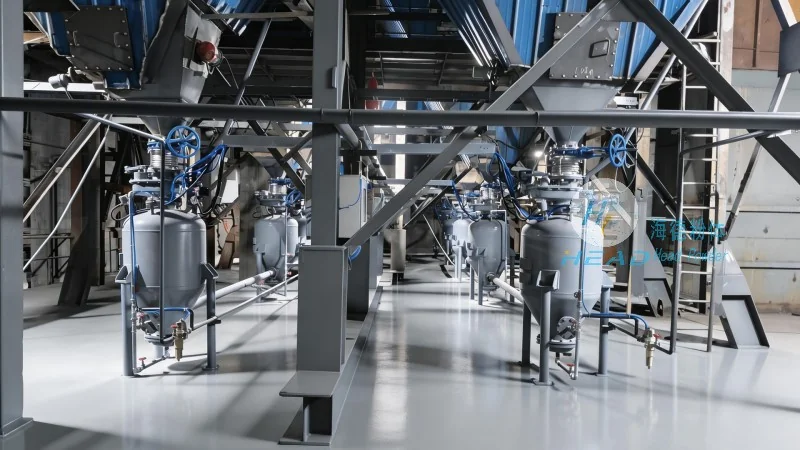
Types of Pneumatic Conveying Systems
There are primarily two types of pneumatic conveying systems: positive pressure and negative pressure systems. Each type has distinct characteristics that make it suitable for different operational requirements.
Positive Pressure Conveying Systems
Positive pressure systems operate by blowing air or gas into the conveying line, pushing the material forward. This method is ideal for applications where the material needs to be transported over longer distances or through complex piping networks. The system typically includes a blower or compressor at the inlet, a hopper for material storage, and a discharge point at the end of the line. Positive pressure systems are particularly effective for handling abrasive or corrosive materials, as the air flow helps to reduce wear on the equipment. In gypsum and fly ash handling, positive pressure systems are often used in power plants and cement factories where the material is transported from storage silos to processing units.
Negative Pressure Conveying Systems
Negative pressure systems, also known as vacuum systems, work by creating a vacuum at the inlet, drawing the material into the line. This approach is suitable for shorter distances and applications where the material needs to be collected from multiple points. The system consists of a vacuum pump, a hopper, and a collection point. Negative pressure systems are advantageous for handling fine powders that are prone to dusting, as the sealed system minimizes environmental contamination. For gypsum and fly ash, negative pressure systems are commonly used in applications where the material is collected from a dust collector or a storage bin and transported to a processing area.
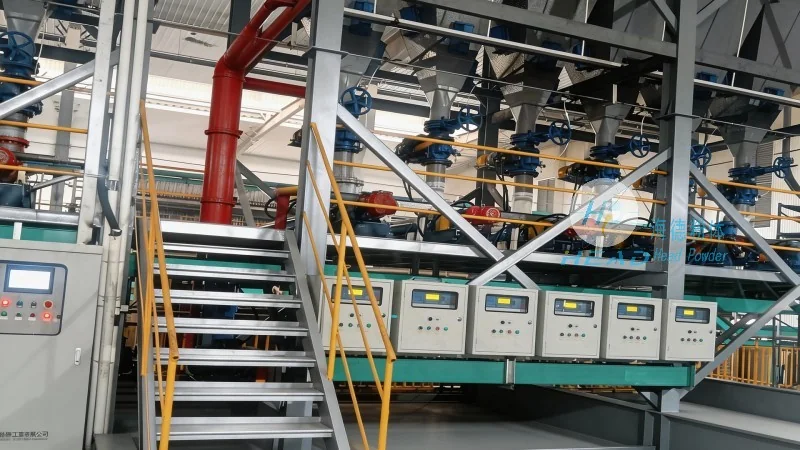
Practical Applications in Gypsum and Fly Ash Handling
The choice of pneumatic conveying system depends on the specific requirements of the application, including the material characteristics, distance, and environmental considerations. In the context of gypsum and fly ash, these systems are widely used in various industrial settings.
Application in Power Plants
In power plants, fly ash is a byproduct of coal combustion and needs to be transported from the boiler to storage silos or for reuse in cement production. Pneumatic conveying systems are employed to handle this material efficiently. The positive pressure system is often preferred due to the need to transport fly ash over longer distances within the plant. The system ensures that the ash is moved without the risk of dust dispersion, maintaining a clean and safe working environment. Shandong HeadPowder Engineering Co., Ltd. has successfully implemented such systems in several power plants, demonstrating the effectiveness of positive pressure conveying for fly ash handling.
Application in Cement Manufacturing
Gypsum is a key raw material in cement production, used to regulate the setting time of the cement. Pneumatic conveying systems are used to transport gypsum from storage facilities to the cement grinding units. The negative pressure system is sometimes preferred in this application due to the need to handle fine gypsum powders, which are prone to dusting. The sealed system prevents the gypsum from escaping into the environment, ensuring compliance with environmental regulations. Companies like Shandong HeadPowder Engineering Co., Ltd. have developed specialized negative pressure conveying systems that can handle the specific characteristics of gypsum, ensuring reliable and efficient material transport.
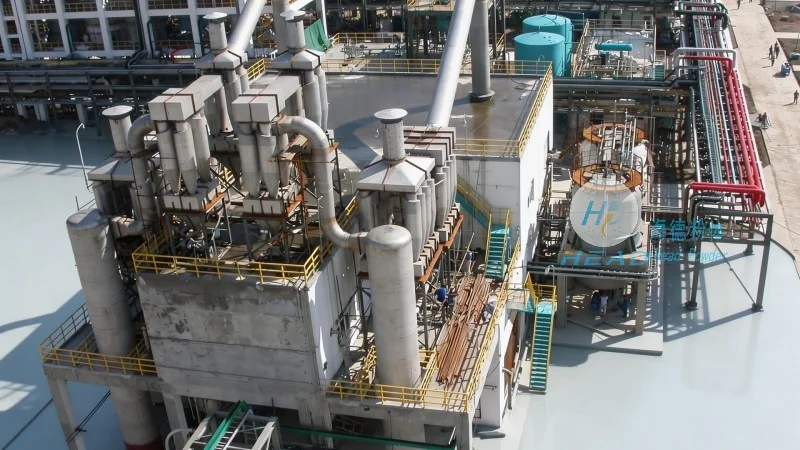
Advantages of Pneumatic Conveying Systems
Both positive and negative pressure pneumatic conveying systems offer several advantages for gypsum and fly ash handling. These include:
- Reduced dust and environmental contamination, which is critical for maintaining workplace safety and complying with environmental regulations.
- Minimal maintenance requirements compared to traditional belt or bucket elevators, leading to lower operational costs.
- Ability to handle a wide range of particle sizes and material densities, making them versatile for different applications.
- Compact design, which saves space in industrial facilities where floor space is limited.
These advantages make pneumatic conveying systems a preferred choice for industries dealing with gypsum and fly ash, ensuring efficient and safe material handling.
Conclusion
Pneumatic conveying systems are essential for the efficient and safe handling of gypsum and fly ash in various industrial applications. The choice between positive and negative pressure systems depends on the specific operational requirements, such as distance, material characteristics, and environmental considerations. Companies like Shandong HeadPowder Engineering Co., Ltd. specialize in designing and implementing these systems, providing tailored solutions that meet the unique needs of each client. By leveraging the benefits of pneumatic conveying, industries can enhance their operational efficiency, reduce costs, and ensure compliance with safety and environmental standards.