

[Pneumatic Conveying in the Bulk Handling of Millet]
Millet, a staple grain widely cultivated and consumed in various regions, requires efficient and reliable methods for bulk handling to ensure quality and minimize losses during transportation and processing. Pneumatic conveying technology has emerged as a sophisticated solution for the safe and effective movement of millet from storage facilities to processing plants or distribution centers. This article explores the application of pneumatic conveying systems in the context of millet bulk handling, highlighting key considerations, operational benefits, and the role of specialized engineering companies in implementing such solutions.
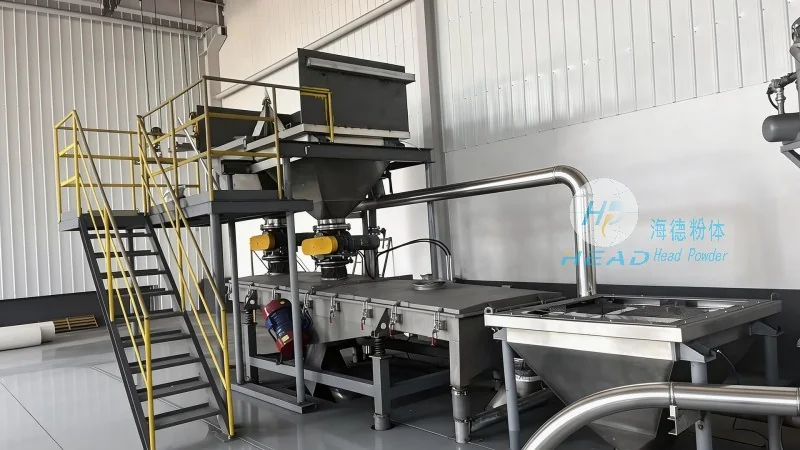
HeadPowder Engineering: Expertise in Millet Pneumatic Conveying Systems
Shandong HeadPowder Engineering Co., Ltd., commonly known as HeadPowder, is a leading provider of customized pneumatic conveying solutions tailored to the unique demands of millet handling. With a strong foundation in engineering innovation and a deep understanding of grain processing, HeadPowder has developed advanced systems that address the challenges associated with millet's physical properties, such as its size, density, and moisture content. The company's expertise lies in designing and manufacturing pneumatic conveying equipment that ensures minimal product degradation, consistent flow rates, and energy efficiency, all critical factors for maintaining the quality of millet during transport.
Key Features of Millet Pneumatic Conveying Systems
The pneumatic conveying systems used for millet handling typically incorporate several key components and features that enhance performance and reliability. These include high-capacity blowers or compressors that generate the necessary air pressure to move the grain, flexible or rigid pipelines designed to withstand the abrasive nature of millet, and specialized valves and controls that regulate the flow and prevent blockages. Additionally, modern systems often feature dust collection and filtration mechanisms to maintain air quality and comply with environmental regulations. The design of these systems is tailored to the specific characteristics of millet, such as its tendency to clump or segregate, ensuring that the conveying process remains smooth and efficient.
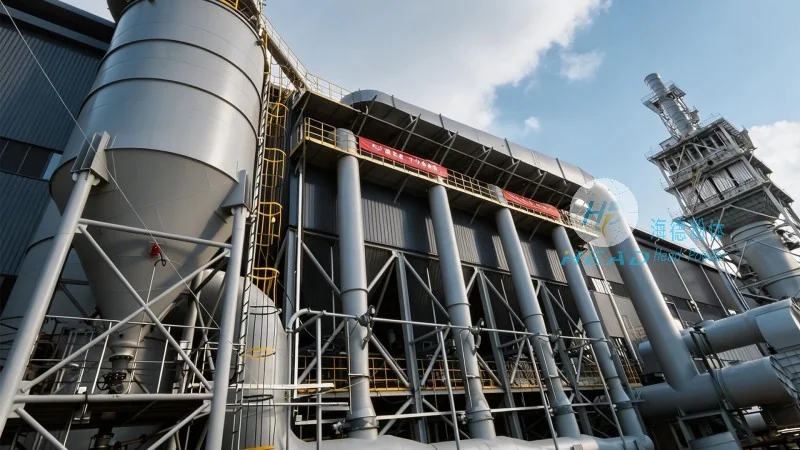
Operational Benefits of Pneumatic Conveying for Millet
Implementing pneumatic conveying systems for millet offers numerous operational advantages over traditional methods like bucket elevators or belt conveyors. One of the most significant benefits is the ability to handle millet in a closed system, which reduces exposure to contaminants and moisture, thereby preserving the grain's quality and nutritional value. This closed-loop design also minimizes dust generation, creating a safer working environment for personnel and reducing the risk of fire hazards in storage facilities. Furthermore, pneumatic conveying systems can achieve higher throughput rates with lower energy consumption compared to other bulk handling technologies, leading to cost savings over the long term. The flexibility of these systems allows for easy integration with existing millet processing lines, enabling seamless transitions between storage, transport, and processing stages.
Customization and Scalability: Meeting Diverse Millet Handling Needs
HeadPowder Engineering recognizes that millet handling operations vary significantly in terms of scale, production volume, and specific processing requirements. To address these diverse needs, the company offers highly customizable pneumatic conveying solutions. Whether a facility requires a small-scale system for on-farm storage or a large-scale system for industrial processing, HeadPowder can design and install a solution that meets the exact specifications. The company's engineers work closely with clients to assess their operational requirements, including the type and quantity of millet, the distance of transport, and the desired throughput, to develop a tailored system that maximizes efficiency and minimizes downtime. Additionally, HeadPowder's systems are designed with scalability in mind, allowing for future expansion as millet production and processing needs grow.
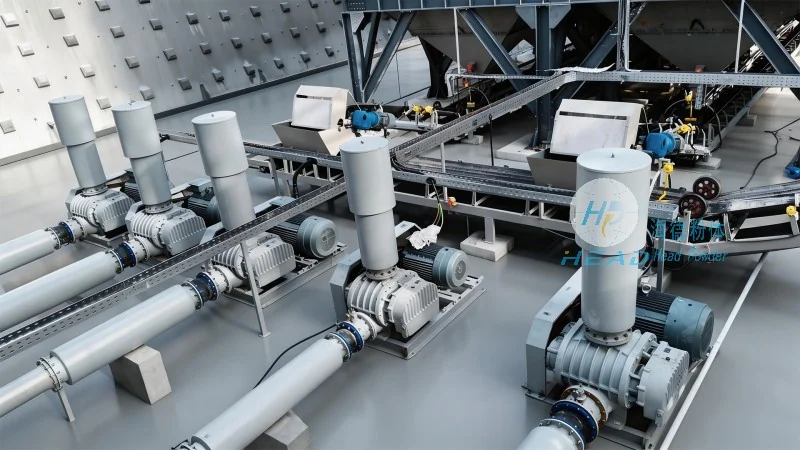
Quality Assurance and Maintenance: Ensuring Long-Term Performance
For pneumatic conveying systems to deliver consistent performance over extended periods, proper quality assurance and maintenance are essential. HeadPowder Engineering emphasizes the importance of using high-quality materials and components in the construction of their millet conveying systems. This includes corrosion-resistant materials for pipelines and valves, and durable blower components that can withstand the abrasive nature of millet. Regular maintenance, such as cleaning of filters, checking for air leaks, and inspecting for wear and tear, is also critical to maintaining system efficiency and preventing costly breakdowns. HeadPowder provides comprehensive maintenance services and technical support to clients, ensuring that their pneumatic conveying systems operate at optimal levels and have a long service life.
Conclusion: Enhancing Millet Handling with Pneumatic Conveying
In conclusion, pneumatic conveying technology plays a vital role in the efficient and reliable handling of millet, a vital staple grain. The advanced systems developed by companies like Shandong HeadPowder Engineering Co., Ltd. offer significant advantages in terms of product quality, operational efficiency, and safety. By leveraging specialized engineering expertise and customized solutions, these companies help millet producers and processors optimize their operations, reduce costs, and ensure the consistent delivery of high-quality millet to markets. As the demand for millet continues to grow, the adoption of efficient pneumatic conveying systems will remain crucial in meeting the challenges of bulk handling and maintaining the integrity of this important grain.