

Pneumatic Conveying in the Bulk Handling of Calcined Gypsum
Pneumatic conveying systems have emerged as a critical technology in the efficient and reliable transport of bulk materials, particularly in industries dealing with materials like calcined gypsum. This method involves the use of air or other gases to move powders and granules through a pipeline, offering a flexible and often more cost-effective alternative to traditional mechanical conveying systems. For applications involving calcined gypsum, which is a key raw material in construction and industrial processes, the design and implementation of an effective pneumatic conveying system are paramount to ensuring consistent quality and operational efficiency.
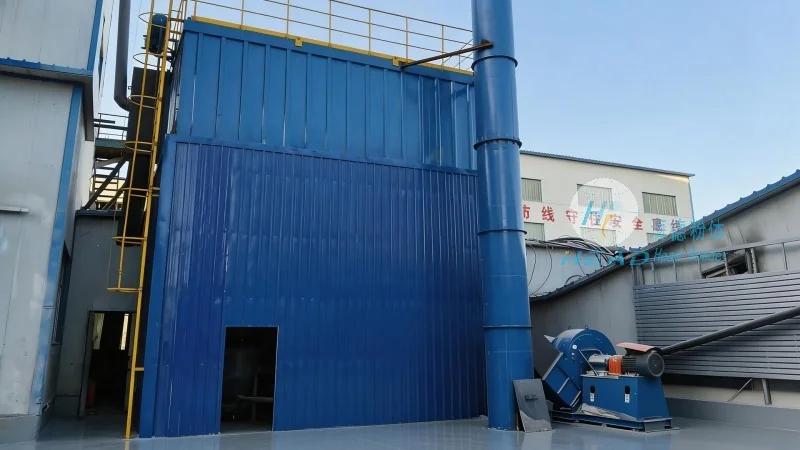
Company Overview: Shandong HeadPowder Engineering Co., Ltd.
Shandong HeadPowder Engineering Co., Ltd., commonly known as headpowder, is a specialized engineering firm based in Shandong, China. The company focuses on providing comprehensive solutions for bulk material handling, including the design, manufacturing, and installation of pneumatic conveying systems. With a strong commitment to innovation and adherence to industry standards, headpowder has established itself as a trusted partner in the development of efficient material transport solutions for various industrial sectors.
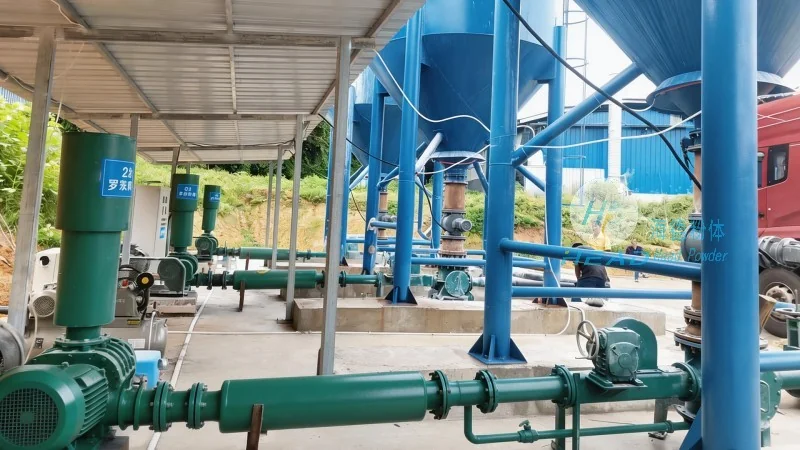
Technical Aspects of Pneumatic Conveying Systems
The core of a pneumatic conveying system lies in its ability to manipulate air flow and pressure to move materials. There are primarily two types of systems: pressure and vacuum. Pressure systems use positive pressure to push material through the pipeline, while vacuum systems use negative pressure to pull material. For calcined gypsum, which is a fine powder with specific flow characteristics, the choice of system depends on factors such as material properties, distance, and required throughput. Key components include the hopper, feeder, pipeline, and receiver, each playing a crucial role in the overall performance of the system.
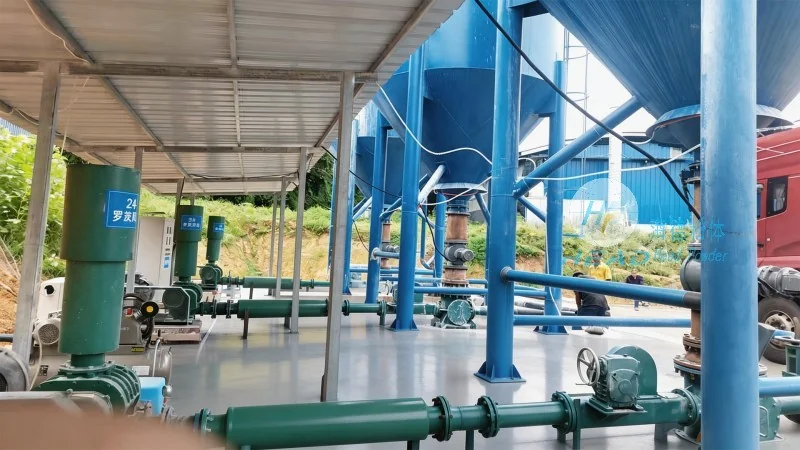
Application in Calcined Gypsum Processing
Calcined gypsum, also known as plaster of Paris, is widely used in construction, manufacturing of building materials, and other industrial applications. The bulk handling of this material requires systems that can maintain its integrity and prevent caking or agglomeration. Pneumatic conveying systems are particularly well-suited for this purpose due to their ability to handle fine powders without the need for mechanical components that might cause wear or contamination. The process typically involves feeding calcined gypsum from a storage silo into the conveying system, transporting it to the processing or storage location, and then discharging it into the next stage of production.
Advantages of Pneumatic Conveying for Bulk Material Transport
Compared to traditional mechanical conveying methods, pneumatic conveying offers several advantages. These include reduced equipment wear and maintenance costs, as there are fewer moving parts involved. Additionally, the system can handle materials with varying particle sizes and moisture content, making it versatile for different applications. The enclosed pipeline design also minimizes dust emissions and environmental impact, which is crucial for compliance with industrial regulations. Furthermore, pneumatic systems can be easily integrated with other processing equipment, enhancing overall plant efficiency.
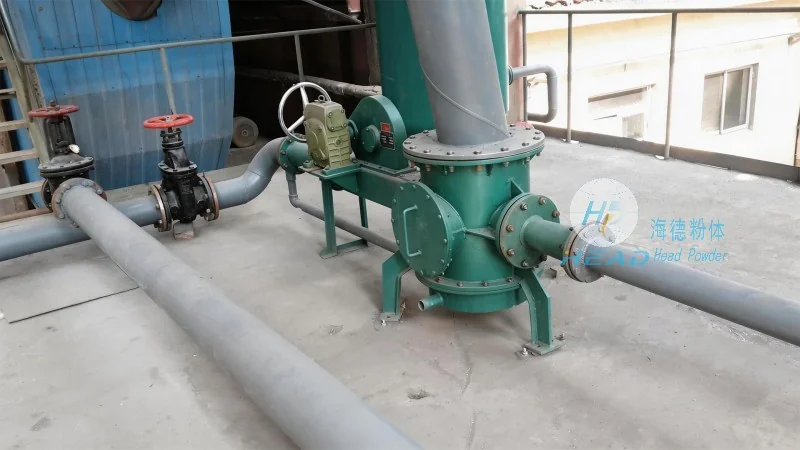
Conclusion and Company Contact Information
In conclusion, pneumatic conveying systems represent a highly effective solution for the bulk handling of calcined gypsum. The technology's ability to ensure material integrity, reduce operational costs, and enhance safety makes it an ideal choice for modern industrial applications. Shandong HeadPowder Engineering Co., Ltd. continues to lead in the development and implementation of such systems, leveraging its expertise to meet the evolving needs of industries that rely on efficient material transport. For those seeking reliable pneumatic conveying solutions for calcined gypsum handling, headpowder stands as a trusted partner based in Shandong, China.