

Types, Features, and Application Ranges of Dry-Mixed Mortar Pneumatic Conveying Systems
Understanding the various types, key characteristics, and practical applications of dry-mixed mortar pneumatic conveying systems is crucial for industries relying on efficient material handling solutions. This article provides an in-depth exploration of these systems, highlighting the expertise of Shandong HeadPowder Engineering Co., Ltd., a leading provider in the field.
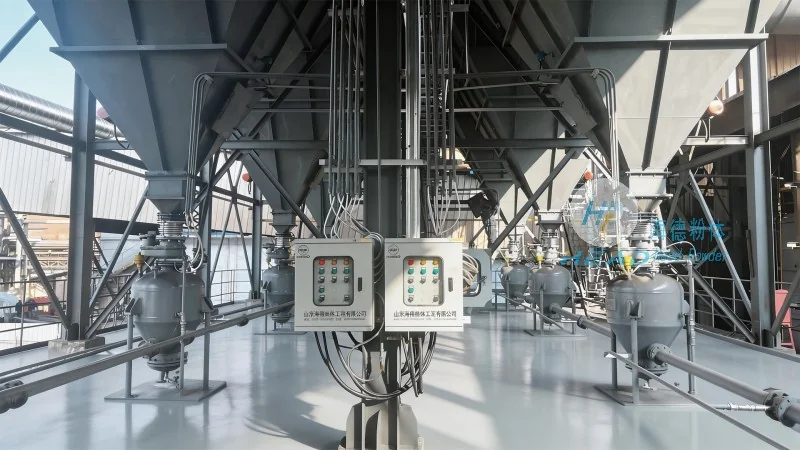
Company Profile: Shandong HeadPowder Engineering Co., Ltd.
Shandong HeadPowder Engineering Co., Ltd., commonly known as HeadPowder, is a reputable enterprise based in Shandong, China. With a strong commitment to innovation and quality, HeadPowder specializes in the design, manufacturing, and implementation of advanced pneumatic conveying systems tailored for dry-mixed mortar applications. The company’s headquarters is located in Shandong, providing a solid foundation for its global reach and technical support.
Types of Dry-Mixed Mortar Pneumatic Conveying Systems
Dry-mixed mortar pneumatic conveying systems are categorized based on the pressure differential between the conveying line and the ambient environment. The primary types include positive pressure, negative pressure, and mixed pressure systems. Each type offers distinct advantages and is suited to specific operational requirements.
Positive Pressure Pneumatic Conveying
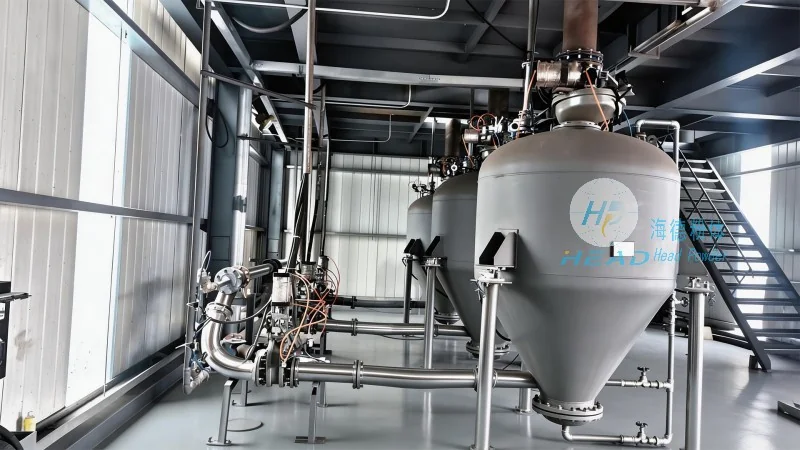
Positive pressure systems operate by blowing air or gas into the conveying line, creating a pressure higher than the ambient air. This method is effective for transporting dry materials over short to medium distances and is particularly suitable for applications where dust control and material containment are critical. The system typically uses a blower or compressor to generate the necessary pressure, ensuring consistent material flow and minimal particle degradation.
Negative Pressure Pneumatic Conveying
Negative pressure systems, also known as suction or vacuum systems, create a lower pressure inside the conveying line compared to the ambient environment. This setup draws the dry-mixed mortar material into the system using a vacuum pump. Negative pressure conveying is ideal for handling fine powders and is often used in applications requiring gentle material handling, such as in pharmaceutical or food processing industries, though it is also applicable to dry-mixed mortar in certain scenarios.
Mixed Pressure Pneumatic Conveying
Mixed pressure systems combine elements of both positive and negative pressure methods. They may use a combination of blowers and vacuum pumps to achieve a balanced pressure profile. This approach allows for flexibility in conveying distances and material types, making it suitable for complex layouts and varied operational needs. Mixed pressure systems are often employed in large-scale industrial facilities where multiple conveying points and varied material handling requirements are present.
Key Features of Dry-Mixed Mortar Pneumatic Conveying Systems
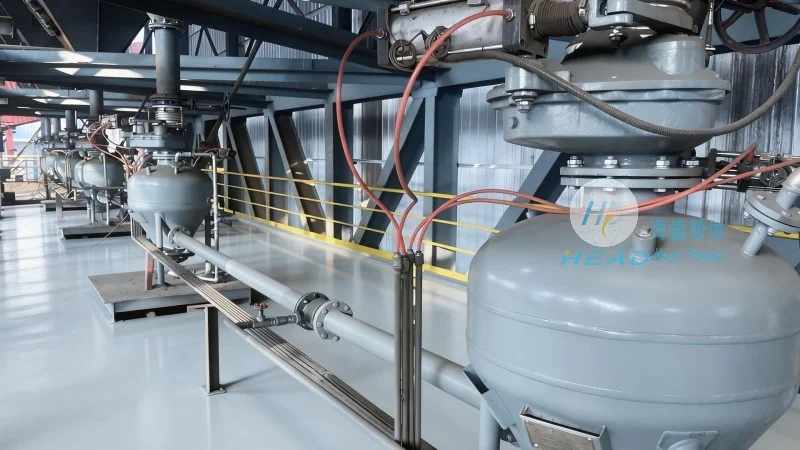
Regardless of the specific type, dry-mixed mortar pneumatic conveying systems share several key features that enhance their performance and reliability. These features include efficient material transport, minimal dust generation, and the ability to handle a wide range of particle sizes and moisture content. Advanced systems also incorporate features such as automatic control, real-time monitoring, and energy-efficient operation, ensuring optimal performance and reduced operational costs.
Application Ranges of Dry-Mixed Mortar Pneumatic Conveying Systems
The application ranges of dry-mixed mortar pneumatic conveying systems are broad and diverse, catering to various industrial and construction needs. These systems are commonly used in the production and distribution of dry-mixed mortar for building projects, including residential, commercial, and infrastructure developments. In manufacturing facilities, they facilitate the transfer of raw materials and finished products between processing stages, ensuring smooth production workflows.
Additionally, pneumatic conveying systems are utilized in recycling and waste management operations, where they help in the transport of recycled materials and waste products. The systems are also employed in research and development laboratories, where precise material handling is essential for testing and quality control processes. Overall, the versatility of dry-mixed mortar pneumatic conveying systems makes them indispensable in modern industrial and construction environments.