

Technical Parameters and Transport System Process of Sodium Chloride
At Shandong HeadPowder Engineering Co., Ltd., we specialize in providing comprehensive solutions for the handling and transportation of sodium chloride, a vital chemical widely used in various industries such as food processing, water treatment, and chemical manufacturing. This document outlines the key technical parameters of sodium chloride and the efficient transport system processes developed by our company to ensure safe, reliable, and cost-effective operations.
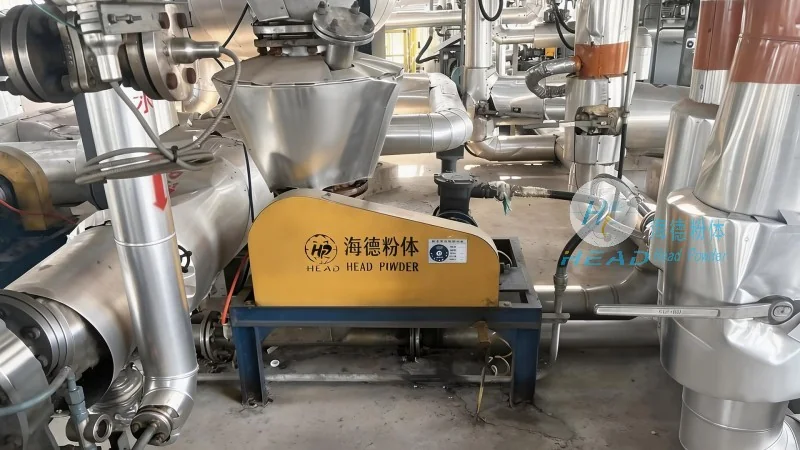
Sodium chloride, commonly known as table salt, is a white crystalline solid with the chemical formula NaCl. Its physical properties, including particle size, moisture content, and bulk density, are critical for determining the appropriate handling and transportation methods. Our technical parameters cover these aspects to help clients select the most suitable equipment and processes for their specific applications.
Key technical parameters of sodium chloride include: particle size distribution, typically ranging from 0.1 to 2.0 mm for industrial applications; moisture content, usually maintained below 0.5% to prevent caking and ensure flowability; and bulk density, which varies depending on the particle size and packing density, generally between 0.8 to 1.2 g/cm³. These parameters are crucial for optimizing the performance of storage silos, conveyor systems, and pneumatic transport pipelines.
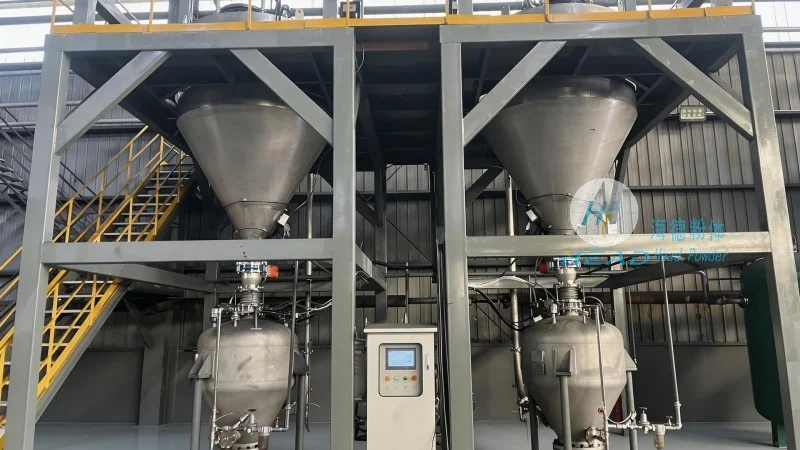
Our transport system process is designed to handle sodium chloride efficiently and safely. The process begins with material storage in bulk storage silos, where the salt is stored under controlled conditions to maintain its quality. The silos are equipped with level sensors and aeration systems to prevent caking and ensure consistent material flow. From the silos, the sodium chloride is transferred to the transport system using bulk material handling equipment, such as belt conveyors or screw conveyors, which are selected based on the specific requirements of the application.
The transport system utilizes a combination of mechanical and pneumatic methods to move sodium chloride from the storage area to the processing or packaging facilities. Belt conveyors are commonly used for horizontal and slight incline transport, providing high capacity and low maintenance. For longer distances or vertical transport, screw conveyors are employed, which are suitable for handling free-flowing materials like sodium chloride. In some cases, pneumatic conveying systems are used, particularly for transporting the salt to remote locations or for integration with existing processing lines.
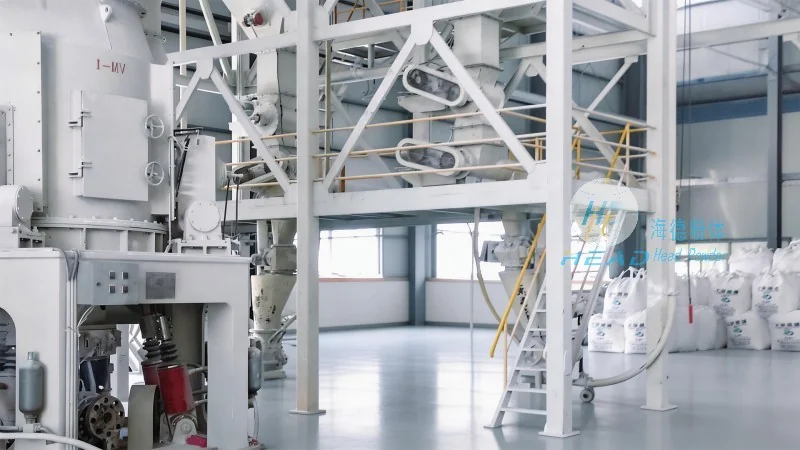
During the transport process, the system incorporates several key components to ensure efficiency and safety. These include feeders, which regulate the flow of material from the silos to the conveyors; transition hoppers, which help in changing the direction of the material flow; and dust collection systems, which are essential for maintaining air quality and preventing dust accumulation. The entire transport system is designed to minimize material loss, reduce energy consumption, and comply with environmental regulations.
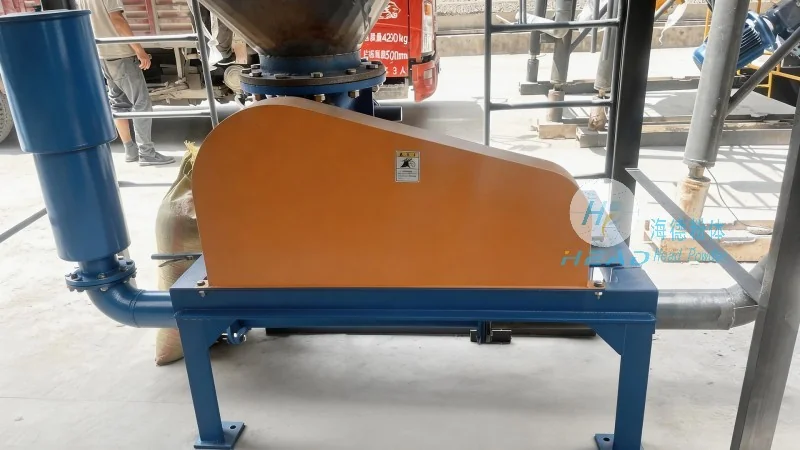
Shandong HeadPowder Engineering Co., Ltd. has extensive experience in designing and implementing sodium chloride transport systems tailored to the needs of various industries. Our team of engineers and technicians works closely with clients to understand their specific requirements, from the initial material handling to the final delivery. By leveraging our expertise in chemical processing and bulk material handling, we provide customized solutions that enhance operational efficiency, reduce costs, and ensure product quality.
Whether for food processing, water treatment, or chemical manufacturing, our sodium chloride transport systems are built to meet the highest standards of performance and reliability. We prioritize safety, efficiency, and sustainability in all our designs, ensuring that our clients receive a solution that not only meets their current needs but also supports their long-term growth and success.