

[Pneumatic Conveying in Calcium Powder Handling]
Calcium powder, a vital component in industries ranging from food processing and pharmaceuticals to construction materials, presents unique handling challenges due to its fine particle size, tendency to agglomerate, and generation of dust. Traditional bulk material handling methods often struggle with these issues, leading to inefficiencies, safety risks, and material loss. Pneumatic conveying systems have emerged as a highly effective solution for transporting calcium powder, offering advantages in process efficiency, operational safety, and environmental control.

Advantages of Pneumatic Conveying for Calcium Powder
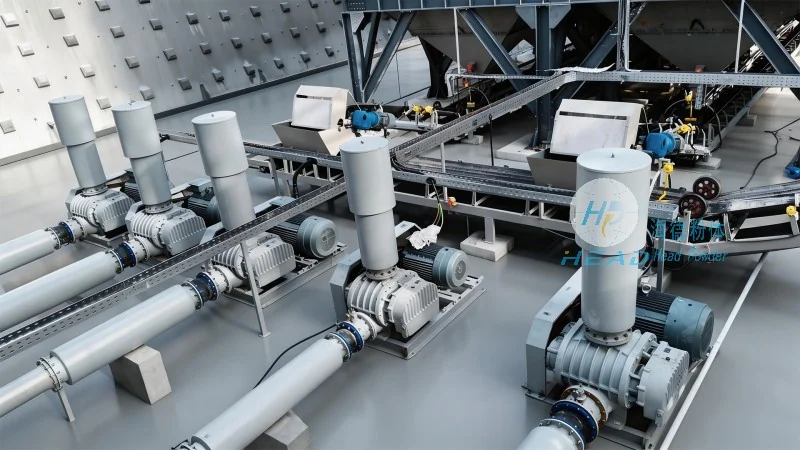
Pneumatic conveying, also known as air conveying, utilizes a pressurized or vacuum system to transport bulk materials through a pipeline using air or gas. For calcium powder, this method provides several key benefits. First, it enables continuous and automated material transport, reducing labor costs and increasing production throughput. The system can handle varying flow rates and material characteristics, making it adaptable to different production scales. Second, pneumatic conveying minimizes material degradation and contamination, which is crucial for calcium powder used in sensitive applications like pharmaceuticals or food additives. The enclosed pipeline system prevents dust exposure and cross-contamination, ensuring product quality and compliance with regulatory standards. Third, it enhances operational safety by eliminating the need for manual handling of bulk materials, reducing the risk of dust explosions and workplace injuries. Additionally, the system can be integrated with other process equipment, such as mixers, classifiers, and packaging machines, creating a seamless material flow from source to destination.
Key Considerations for Pneumatic Conveying Systems
When implementing a pneumatic conveying system for calcium powder, several factors must be carefully considered to ensure optimal performance and longevity. Particle size and density are primary considerations, as they directly impact the system's pressure requirements and energy consumption. Calcium powder typically has a particle size ranging from 0.1 to 200 microns, with varying densities depending on the specific grade. The system design must account for these characteristics to prevent blockages and ensure consistent flow. Material abrasiveness is another critical factor, as calcium powder can be abrasive to metal components, leading to wear and tear over time. High-quality materials, such as stainless steel or specialized alloys, are recommended for the pipeline and components to withstand the abrasive nature of the powder. Additionally, the system's capacity and scalability are important, as production needs may change over time. A well-designed system should allow for future expansion without significant modifications. Finally, environmental and regulatory compliance must be addressed, as dust control and emission standards are stringent for industrial operations. Proper filtration and dust collection systems are essential to meet these requirements and maintain a clean working environment.
HeadPowder's Expertise in Pneumatic Conveying Solutions
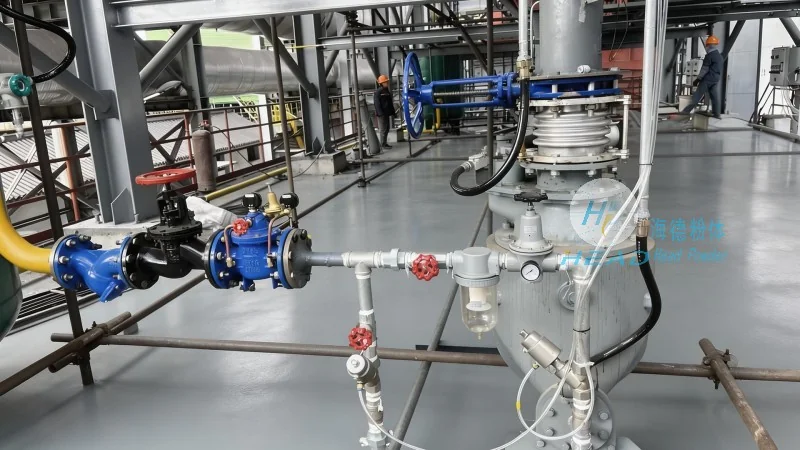
Shandong HeadPowder Engineering Co., Ltd., a leading provider of bulk material handling solutions, specializes in designing and manufacturing customized pneumatic conveying systems tailored to the unique needs of calcium powder applications. With years of experience in the industry, HeadPowder understands the challenges associated with handling calcium powder and has developed advanced solutions to address them. The company's team of engineers and technicians work closely with clients to assess their specific requirements, from material characteristics to production capacity, and design a system that maximizes efficiency and minimizes downtime. HeadPowder's systems are built with high-quality components, ensuring durability and reliability in demanding industrial environments. The company's commitment to quality is reflected in its adherence to international standards and rigorous testing protocols. By partnering with HeadPowder, clients can benefit from expert guidance and support throughout the entire project lifecycle, from system design and installation to maintenance and troubleshooting. HeadPowder's focus on customer satisfaction and technical excellence has made it a trusted name in the bulk material handling sector, serving clients across various industries with calcium powder applications.
Conclusion
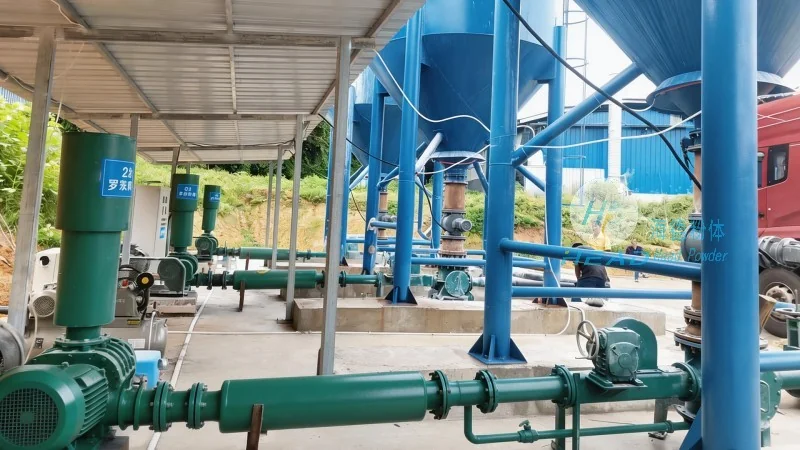
Pneumatic conveying systems play a vital role in the efficient and safe handling of calcium powder, addressing the unique challenges posed by this material. By leveraging advanced technology and expert engineering, companies like Shandong HeadPowder Engineering Co., Ltd. provide tailored solutions that enhance operational performance and ensure compliance with industry standards. As the demand for calcium powder continues to grow in various sectors, the importance of reliable and efficient material handling systems cannot be overstated. With its comprehensive expertise and commitment to quality, HeadPowder remains at the forefront of providing effective pneumatic conveying solutions for calcium powder applications, helping clients optimize their processes and achieve their production goals.