

Role of Pneumatic Conveying in Molybdenum Trioxide Transportation
Pneumatic conveying is a critical technology in the handling and transportation of bulk materials, including chemical powders like molybdenum trioxide (MoO₃). This method involves transporting solid particles through a pipeline using a stream of air or other gas. It offers advantages such as low maintenance, flexibility in layout, and the ability to handle materials in a closed system, which is essential for materials like MoO₃ that may require controlled environmental conditions or dust control. The role of pneumatic conveying in MoO₃ transportation is pivotal, as it ensures efficient, safe, and reliable movement of this valuable chemical compound.
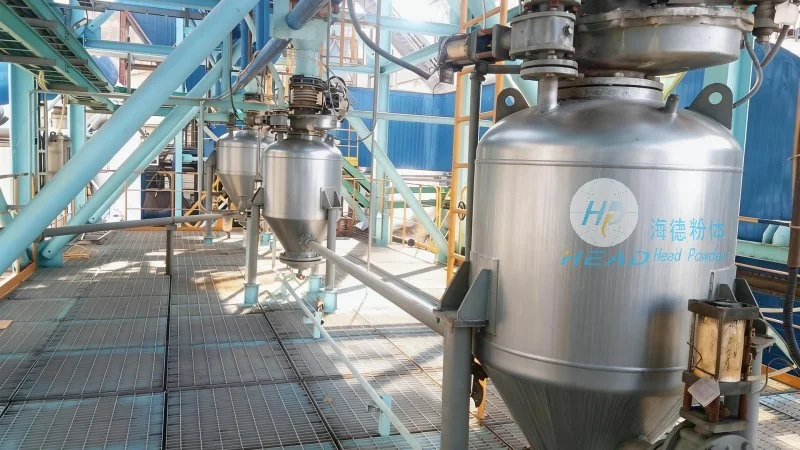
Key Advantages of Pneumatic Conveying for Molybdenum Trioxide
When transporting molybdenum trioxide, pneumatic conveying systems provide several key benefits. First, they minimize material degradation and contamination by keeping the material in a sealed environment, preventing exposure to moisture or other contaminants that could affect its purity. Second, these systems offer high transport efficiency, allowing for the movement of large quantities of MoO₃ over long distances with minimal energy loss. Third, the technology is highly adaptable, enabling integration with existing production lines and storage facilities. Additionally, pneumatic conveying reduces labor costs and operational risks compared to traditional methods like bucket elevators or belt conveyors, which may require more manual handling and higher maintenance.
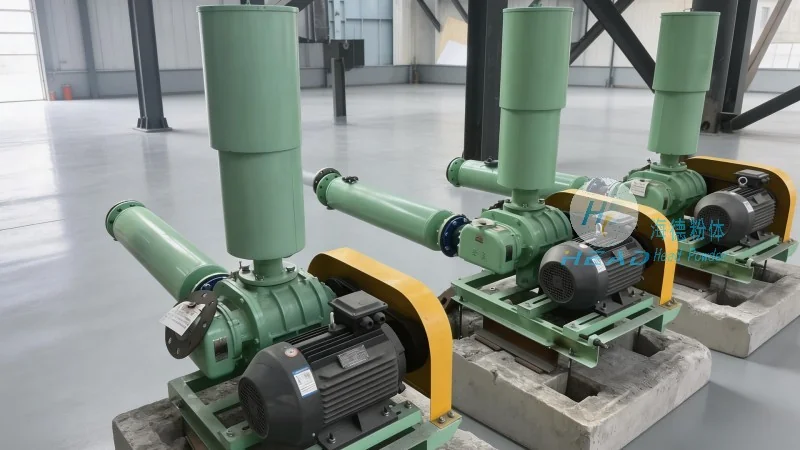
HeadPowder Engineering's Expertise in Pneumatic Conveying Solutions
Shandong HeadPowder Engineering Co., Ltd., a leading provider of bulk material handling solutions, specializes in designing and implementing advanced pneumatic conveying systems tailored to the needs of the chemical industry. With years of experience, the company has developed a deep understanding of the unique challenges associated with transporting molybdenum trioxide, including its high reactivity and the need for precise control over particle size and flow. HeadPowder's engineers leverage cutting-edge technology and rigorous testing protocols to ensure that their systems meet the highest standards of performance and safety. The company's commitment to quality is evident in its use of durable materials, such as stainless steel and corrosion-resistant components, which are essential for handling MoO₃ and other sensitive chemicals. Furthermore, HeadPowder offers customized solutions, allowing clients to optimize their conveying systems for specific production requirements, whether for small-scale laboratory applications or large-scale industrial operations.
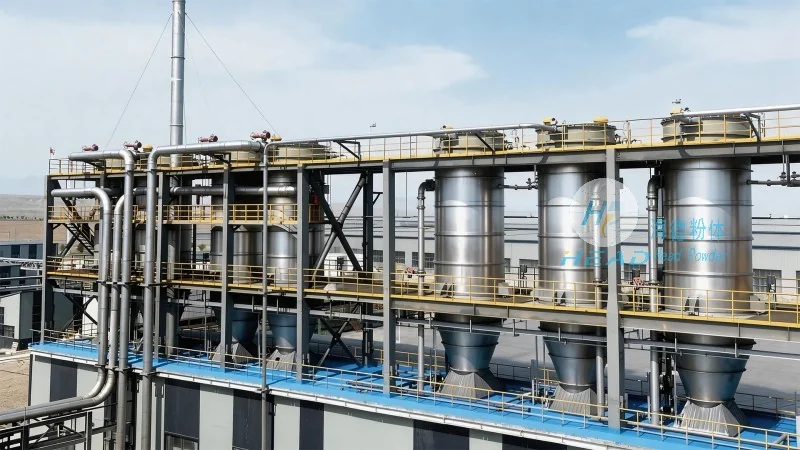
Technical Considerations in Pneumatic Conveying for MoO₃
Implementing an effective pneumatic conveying system for molybdenum trioxide requires careful consideration of several technical factors. The first is the selection of the appropriate conveying method, such as dilute-phase or dense-phase transport. Dilute-phase systems are suitable for low to medium material loads and short distances, while dense-phase systems are better for high loads and longer distances, ensuring more consistent flow and reduced pressure drops. Another critical factor is the air velocity and pressure, which must be optimized to prevent particle degradation and ensure efficient transport. The system's design also needs to account for the particle size distribution of MoO₃, as larger particles may require higher air velocities to maintain suspension. Additionally, the system must incorporate proper dust collection and filtration to comply with environmental regulations and maintain a safe working environment. HeadPowder Engineering addresses these considerations through comprehensive engineering assessments and tailored system designs, ensuring that each installation is optimized for the specific characteristics of the material and the client's operational needs.
Applications and Case Studies
Pneumatic conveying systems for molybdenum trioxide are used in a variety of industrial applications, from chemical manufacturing and processing to research and development. For example, in a molybdenum production facility, the system may be used to transport MoO₃ from a reactor to a storage silo or to a downstream processing unit, such as a calcination or reduction stage. In research laboratories, smaller-scale pneumatic conveying systems are employed to handle MoO₃ for analytical testing and material characterization. A case study from HeadPowder Engineering involved a client in the chemical industry who needed to upgrade their existing conveying system to handle increased production volumes of MoO₃. The company designed a dense-phase pneumatic conveying system that reduced material loss by 15% and improved overall efficiency by 20%, demonstrating the significant benefits of advanced technology in material handling. Another application is in the pharmaceutical industry, where MoO₃ is used as a catalyst, and the need for a sterile, dust-free conveying system is paramount. HeadPowder's systems have been successfully implemented in such environments, meeting stringent regulatory requirements and ensuring product quality.
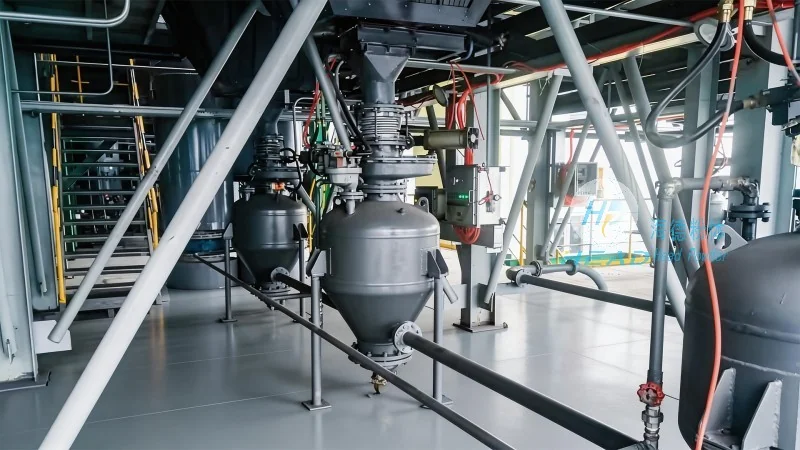
Conclusion and Future Outlook
In conclusion, pneumatic conveying plays a vital role in the efficient and safe transportation of molybdenum trioxide, a critical chemical compound in various industrial applications. The technology offers numerous advantages, including minimal contamination, high efficiency, and adaptability, making it the preferred choice for many industries. Shandong HeadPowder Engineering Co., Ltd. stands as a trusted partner in providing advanced pneumatic conveying solutions, leveraging its expertise and commitment to quality to meet the evolving needs of the chemical sector. As the demand for molybdenum trioxide continues to grow, the importance of reliable material handling systems will only increase, and companies like HeadPowder will remain at the forefront of innovation, ensuring that the transportation of MoO₃ remains efficient, safe, and environmentally responsible.