

What is Sodium Chloride Pneumatic Conveying? Classification and Applications of Pneumatic Conveying
Pneumatic conveying is a critical method for transporting bulk materials, and when applied to sodium chloride, it offers efficient and reliable solutions for various industrial processes. Sodium chloride, commonly known as table salt or rock salt, is a widely used chemical compound in industries such as food processing, pharmaceuticals, and chemical manufacturing. The process of pneumatic conveying involves transporting solid particles through a pipeline using air or gas as the conveying medium. This method is particularly advantageous for sodium chloride due to its granular nature and the need for hygienic, dust-free handling in many applications.
Types of Pneumatic Conveying Systems
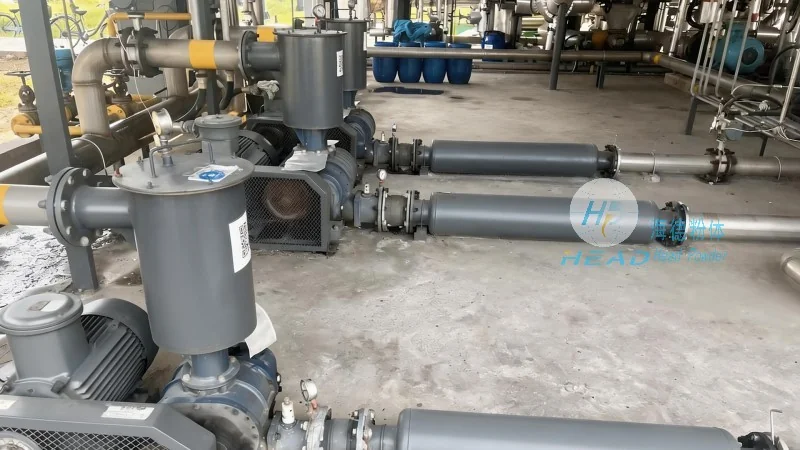
There are primarily two types of pneumatic conveying systems: pressure and vacuum. Each type has distinct characteristics and is suitable for different operational requirements.
Pressure conveying systems operate by generating positive pressure at the conveying point, typically using a blower or compressor. The material is fed into the system under pressure, and the air flows through the pipeline, carrying the sodium chloride particles. This method is ideal for long-distance and high-volume transport, as it can handle steep inclines and maintain consistent flow rates. The pressure system is often used in applications where the material needs to be conveyed from a storage silo to a processing unit or a packaging line.
Vacuum conveying systems, on the other hand, create a negative pressure at the inlet, drawing the material into the pipeline. This type of system is suitable for short-distance transport and for handling materials that are sensitive to pressure changes or for applications where the material needs to be collected from multiple points. Vacuum systems are commonly used in environments where dust control is a priority, as they can operate with lower air velocities, reducing the risk of particle degradation or contamination.
Applications of Sodium Chloride Pneumatic Conveying
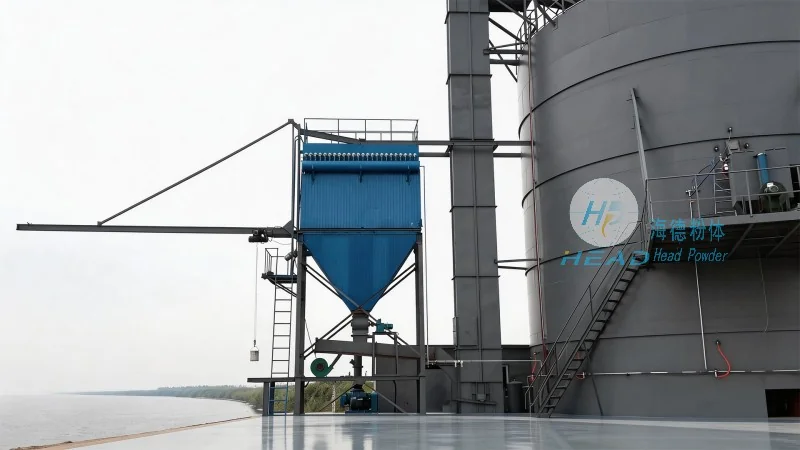
The applications of sodium chloride pneumatic conveying span across multiple industries, each benefiting from the efficiency and flexibility of this technology.
In the food industry, sodium chloride is used as a preservative and flavor enhancer. Pneumatic conveying allows for the hygienic and dust-free transfer of salt from storage bins to processing lines, ensuring that the final product meets quality and safety standards. The system can handle various forms of sodium chloride, including granules, crystals, or even powdered salt, adapting to different food processing requirements.
In the pharmaceutical sector, the handling of sodium chloride is critical due to its use in medication formulations. Pneumatic conveying systems provide a sterile and controlled environment for transporting the material, minimizing the risk of contamination. This is essential for maintaining the purity of the final pharmaceutical products, which are often used in sensitive medical applications.
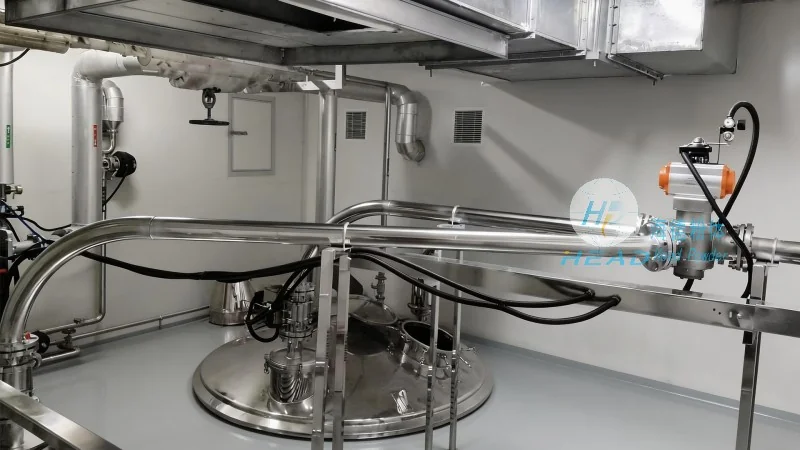
In chemical manufacturing, sodium chloride is used as a raw material in various processes, such as electrolysis for chlorine and sodium hydroxide production. The pneumatic conveying system enables the efficient transfer of large quantities of salt from storage to reaction vessels, optimizing production throughput and reducing downtime. The ability to handle high volumes and maintain consistent flow rates is crucial for maintaining the efficiency of chemical processes.
Advantages of Pneumatic Conveying for Sodium Chloride
Compared to traditional methods like belt conveyors or bucket elevators, pneumatic conveying offers several advantages when handling sodium chloride.
Firstly, it provides a dust-free and hygienic environment, which is essential for industries like food and pharmaceuticals. The enclosed system prevents the release of fine particles into the air, reducing the risk of inhalation or contamination. This is particularly important for sodium chloride, as it can cause respiratory issues if inhaled in large quantities.
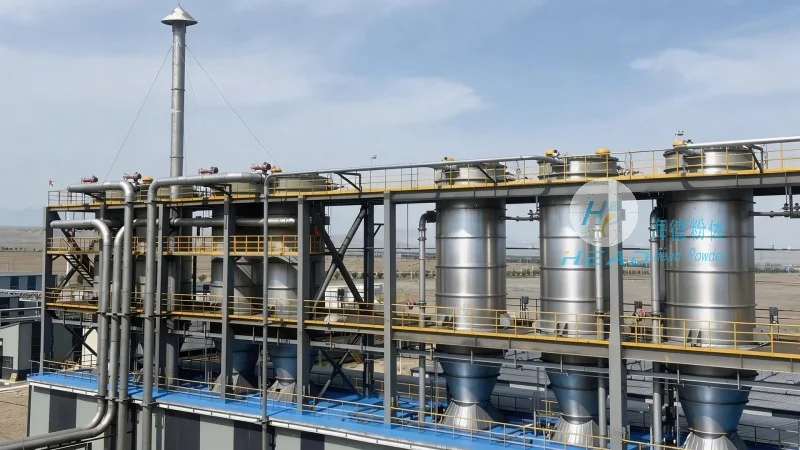
Secondly, pneumatic conveying allows for flexible and space-saving layouts. The system can be installed in various configurations, including vertical, horizontal, or inclined pipelines, adapting to the available space in a facility. This flexibility is beneficial for retrofitting existing plants or designing new facilities with optimized material flow paths.
Thirdly, it offers high efficiency and reliability. The system can handle a wide range of particle sizes and moisture contents, ensuring consistent performance. The use of air as the conveying medium reduces the wear and tear on equipment compared to mechanical systems, leading to lower maintenance costs and longer equipment life.
Conclusion
Sodium chloride pneumatic conveying is a versatile and efficient method for transporting this essential chemical compound. By understanding the different types of pneumatic conveying systems and their applications, industries can optimize their material handling processes, improve operational efficiency, and ensure compliance with industry standards. The technology, when implemented correctly, provides a reliable solution for the safe and effective transport of sodium chloride, supporting the needs of various sectors including food, pharmaceuticals, and chemical manufacturing.