

What is Sodium Hypochlorite Pneumatic Conveying? Classification and Applications of Pneumatic Convey
Understanding the fundamentals of sodium hypochlorite pneumatic conveying is crucial for industries that rely on efficient and safe material handling. This article explores the concept of pneumatic conveying, its classification, and practical applications, with a focus on the specialized solutions offered by Shandong HeadPowder Engineering Co., Ltd. Based in China, this company provides advanced engineering and technical support for various industrial processes.
Introduction to Pneumatic Conveying and Sodium Hypochlorite
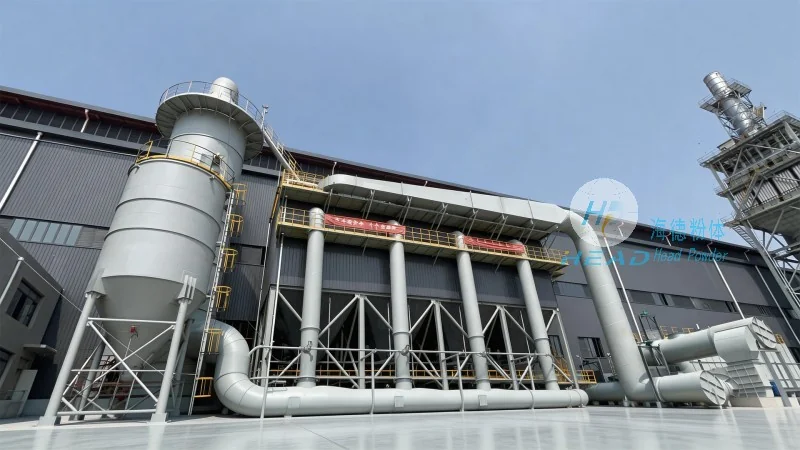
Pneumatic conveying is a method of transporting bulk materials through a pipeline using air or gas as the conveying medium. It is widely used in industries such as chemical processing, pharmaceuticals, and food processing due to its ability to handle a wide range of materials, including powders and granules. Sodium hypochlorite, a common chemical used for disinfection and bleaching, is often transported using this technology due to its sensitivity to moisture and the need for controlled handling to prevent degradation.
Key Characteristics of Sodium Hypochlorite
Sodium hypochlorite is a highly reactive chemical that decomposes when exposed to sunlight, heat, or certain contaminants. It is typically stored as a liquid and then diluted or used as is in various applications. The material's properties, such as its corrosive nature and potential for foaming, require specialized equipment and systems to ensure safe and efficient transport. Shandong HeadPowder Engineering Co., Ltd. specializes in designing and manufacturing pneumatic conveying systems that address these challenges, ensuring the integrity of the product throughout the process.
Classification of Pneumatic Conveying Systems
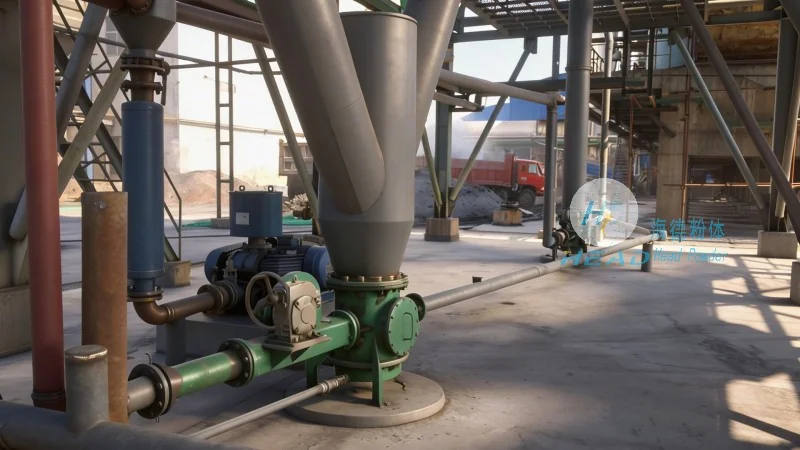
Pneumatic conveying systems are generally classified into two main categories: pressure and vacuum systems. Pressure systems use compressed air to push the material through the pipeline, while vacuum systems use a vacuum to pull the material. Each type has its own advantages and is suitable for different applications. For sodium hypochlorite, pressure systems are often preferred because they can handle the material's corrosive properties more effectively and provide better control over the flow rate.
Applications of Pneumatic Conveying in Sodium Hypochlorite Handling
The applications of pneumatic conveying for sodium hypochlorite vary across different industries. In water treatment plants, it is used to transport the chemical to dosing points, ensuring consistent disinfection levels. In industrial cleaning processes, it helps in delivering the chemical to cleaning equipment, enhancing the cleaning efficiency. Additionally, in the production of other chemicals, sodium hypochlorite is used as an intermediate, and pneumatic conveying facilitates its transfer between production stages. Shandong HeadPowder Engineering Co., Ltd. has successfully implemented these systems in various projects, demonstrating the effectiveness of their engineering solutions.
Advantages of Using Pneumatic Conveying for Sodium Hypochlorite
There are several advantages to using pneumatic conveying for sodium hypochlorite. Firstly, it eliminates the need for manual handling, reducing the risk of exposure to the chemical and minimizing the risk of accidents. Secondly, it provides a closed system, preventing contamination and ensuring the product remains pure. Thirdly, it offers flexibility in terms of material flow, allowing for adjustments in the conveying rate based on the process requirements. These advantages make pneumatic conveying an ideal choice for industries that require high standards of safety and efficiency.
Technical Considerations in Designing Pneumatic Conveying Systems for Sodium Hypochlorite
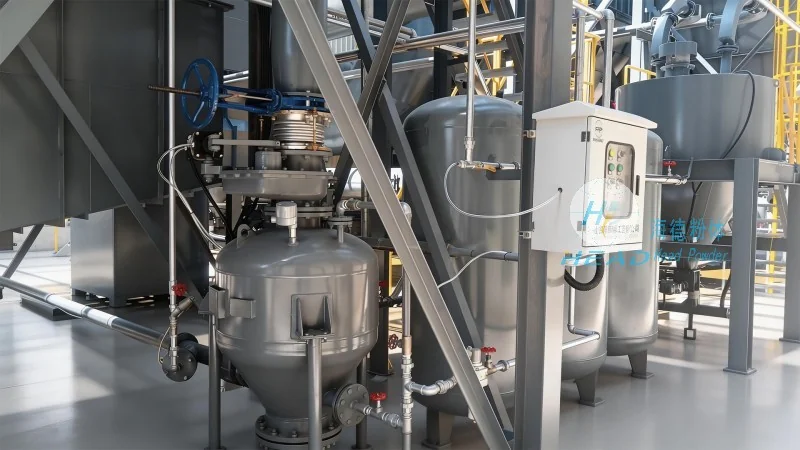
Designing a pneumatic conveying system for sodium hypochlorite requires careful consideration of several technical factors. The material's corrosive nature necessitates the use of materials such as stainless steel or special coatings for the pipeline and equipment. The system must also be designed to handle the potential for foaming and the need for precise dosing. Shandong HeadPowder Engineering Co., Ltd. employs advanced engineering techniques, including computational fluid dynamics (CFD) analysis, to optimize the system design and ensure reliable operation. Their expertise in material handling and chemical processing ensures that the systems they design are tailored to the specific needs of each client.
Case Studies and Real-World Applications
Shandong HeadPowder Engineering Co., Ltd. has successfully implemented pneumatic conveying systems for sodium hypochlorite in various industrial settings. For example, in a water treatment plant, their system was installed to transport sodium hypochlorite from storage tanks to dosing points, improving the efficiency of the disinfection process and reducing labor costs. Another case involved a chemical manufacturing plant where the system was used to transfer sodium hypochlorite between production stages, enhancing the overall production flow. These case studies highlight the effectiveness of their solutions and the benefits they provide to clients.
Conclusion and Future Trends
Pneumatic conveying is a vital technology for the safe and efficient handling of sodium hypochlorite. With the expertise of companies like Shandong HeadPowder Engineering Co., Ltd., industries can benefit from advanced systems that address the unique challenges of this chemical. As technology advances, there is a growing focus on improving the efficiency and sustainability of material handling systems. Future trends may include the integration of automation and smart sensors to enhance system performance and reduce operational costs. However, the core principles of pneumatic conveying will remain relevant, as it continues to offer a reliable solution for transporting sensitive materials like sodium hypochlorite.