

What is Sawdust and Husk Pneumatic Conveying? Classification and Applications of Pneumatic Conveying
Understanding the fundamentals of pneumatic conveying is crucial for industries dealing with bulk materials like sawdust and husks. Pneumatic conveying systems utilize air or gas to transport particulate materials through a pipeline, offering a flexible and efficient method for material handling. This technology is particularly valuable in processing applications where traditional mechanical conveyors may be less suitable due to material characteristics or operational constraints.
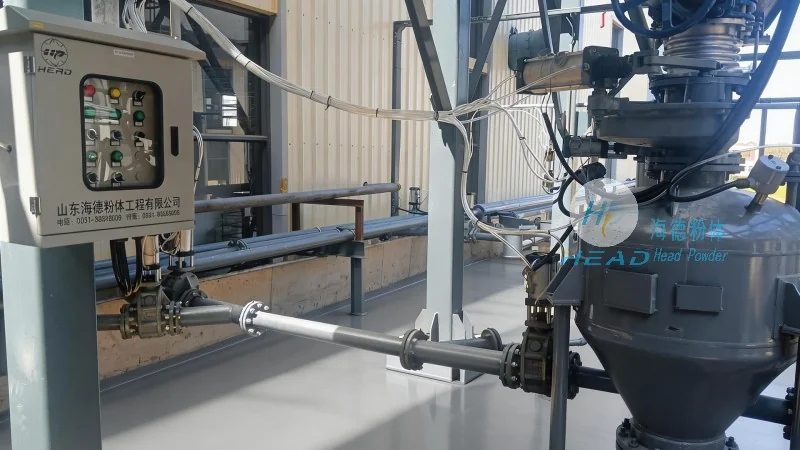
Introduction to Sawdust and Husk Pneumatic Conveying
Sawdust and husk, derived from wood processing and agricultural activities, are common bulk materials requiring specialized handling solutions. Pneumatic conveying for these materials involves the use of air to move particles from a source to a destination, often with minimal contact and reduced risk of material degradation. The process typically includes a feeding mechanism, a conveying pipeline, and a collection system, all designed to handle the specific properties of sawdust and husk, such as their light weight, abrasive nature, and tendency to generate dust.
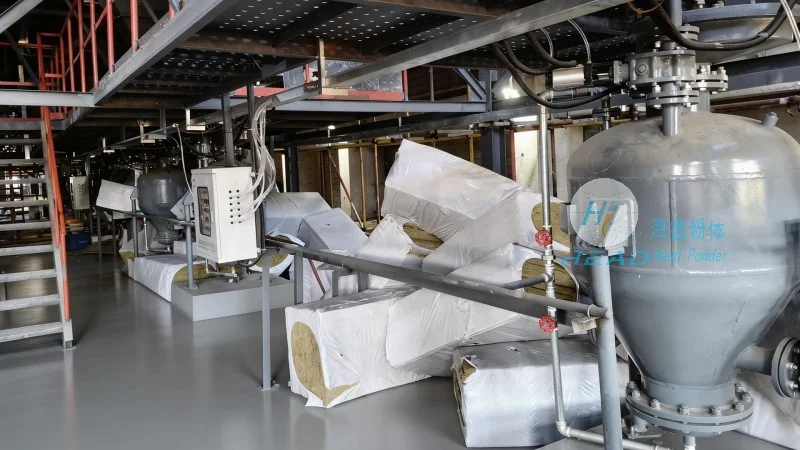
Types of Pneumatic Conveying Systems
Pneumatic conveying systems are categorized based on the direction of air flow and the pressure used. The two primary types are vacuum (or suction) systems and pressure systems. Vacuum systems operate by creating a negative pressure in the pipeline, drawing material from a hopper or source into the system. These are ideal for applications where the material is to be transported over short to medium distances and where the material is relatively light. Pressure systems, on the other hand, use positive pressure to push material through the pipeline, making them suitable for longer distances and higher material loads. Both types can be further classified into dilute-phase and dense-phase systems, depending on the concentration of material in the air stream.
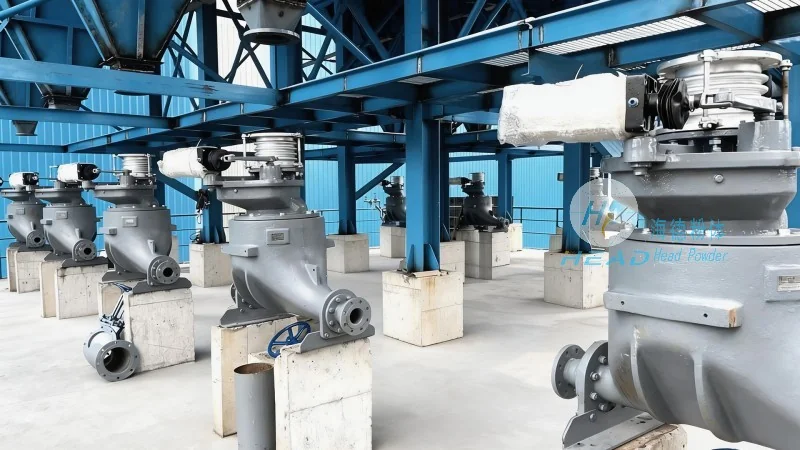
Applications of Sawdust and Husk Pneumatic Conveying
The versatility of pneumatic conveying makes it applicable in various industries that process sawdust and husk. In the wood processing industry, for example, sawdust is often conveyed from sawmills to storage silos or to drying facilities. Agricultural processing plants use husk pneumatic systems to transport corn husks or other agricultural residues to processing units or storage areas. Additionally, in the biofuel sector, sawdust and husk are conveyed to biomass boilers or pelletizing machines for energy production. The ability to handle fine particles and maintain material integrity makes pneumatic conveying a preferred choice in these applications.
Key Considerations for Sawdust and Husk Pneumatic Conveying
When implementing a pneumatic conveying system for sawdust and husk, several factors must be considered to ensure optimal performance and efficiency. Material properties, such as particle size distribution, moisture content, and abrasiveness, significantly impact system design. For instance, fine sawdust may require a dilute-phase system to prevent blockages, while larger husk particles might benefit from a dense-phase system to maintain material flow. System pressure and air velocity are critical parameters that affect the conveying capacity and energy consumption. Proper filtration and dust control measures are also essential to comply with environmental regulations and maintain workplace safety. Additionally, the choice of pipeline material and system components, such as valves and pumps, must be durable enough to withstand the abrasive nature of sawdust and husk over extended periods.

HeadPowder Engineering: Expertise in Pneumatic Conveying Solutions
Shandong HeadPowder Engineering Co., Ltd., based in China, specializes in designing and manufacturing customized pneumatic conveying systems tailored to the unique needs of sawdust and husk applications. With years of experience in the field, HeadPowder provides comprehensive solutions that integrate the latest technology and engineering principles. The company’s team of experts works closely with clients to assess material characteristics, operational requirements, and site constraints, ensuring that the final system is efficient, reliable, and cost-effective. HeadPowder’s commitment to quality and innovation has made it a trusted partner for industries seeking advanced material handling solutions for sawdust and husk processing.