

Classification and Application Analysis of Silicate Pneumatic Conveying Systems
HeadPowder, a leading enterprise in the field of pneumatic conveying technology, specializes in the design, manufacturing, and application of silicate material handling systems. This article provides a comprehensive classification and application analysis of silicate pneumatic conveying systems, highlighting the key technologies and practical implementations in industrial settings.
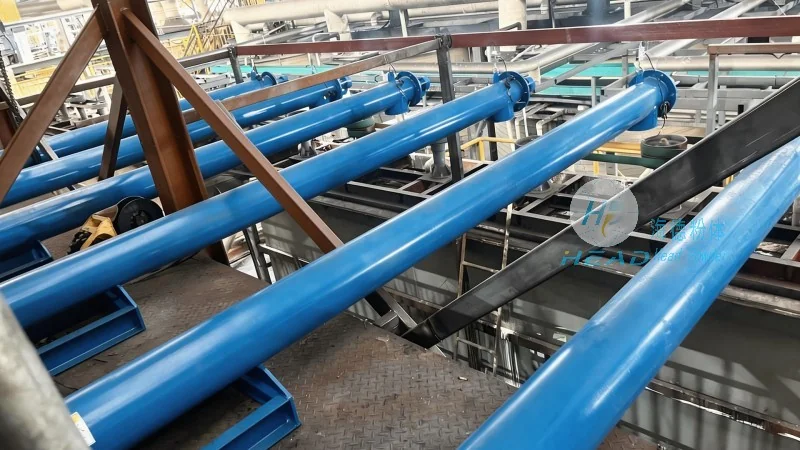
Introduction to Silicate Pneumatic Conveying Systems
Silicate materials, including powders and granules derived from minerals such as silica, kaolin, and other ceramic raw materials, are widely used in industries like ceramics, glass, and construction. Pneumatic conveying systems offer an efficient and flexible method for transporting these materials, eliminating the need for traditional bulk handling equipment like conveyors or elevators. The classification of silicate pneumatic conveying systems is primarily based on the conveying principle, material properties, and operational requirements. HeadPowder's expertise lies in tailoring these systems to meet the specific needs of clients, ensuring optimal performance and reliability.
Classification of Silicate Pneumatic Conveying Systems
Silicate pneumatic conveying systems can be broadly categorized into two main types: pressure and vacuum systems. Pressure systems utilize compressed air or gas to push the material through the pipeline, while vacuum systems use a vacuum to draw the material into the system. Within these categories, further sub-classifications exist based on the specific conveying mechanism:
1. Pressure Conveying Systems: These systems are suitable for materials with low to moderate moisture content and are commonly used for long-distance and high-capacity transport. HeadPowder's pressure systems often incorporate positive displacement blowers or rotary lobe pumps to generate the necessary pressure. The design typically includes a hopper, feeder, and a series of pipelines with appropriate valves and filters to maintain material flow and prevent blockages.
2. Vacuum Conveying Systems: Ideal for materials that are dusty or require gentle handling, vacuum systems are effective for short to medium distances. They are particularly useful when the material needs to be collected from multiple points or when the process involves dust collection. HeadPowder's vacuum systems may use rotary vane pumps or Roots blowers to create the vacuum, with features like pulse-jet filters to ensure clean air and material separation.
3. Combined Systems: In some applications, a combination of pressure and vacuum conveying is employed. For instance, a pressure system may be used to transport material from a central storage to a processing plant, while a vacuum system is used to collect material from various points and feed it back into the pressure line. This hybrid approach allows for flexibility and efficiency in complex material handling scenarios.
Key Technologies in Silicate Pneumatic Conveying
Effective operation of silicate pneumatic conveying systems relies on several critical technologies that HeadPowder integrates into its designs:
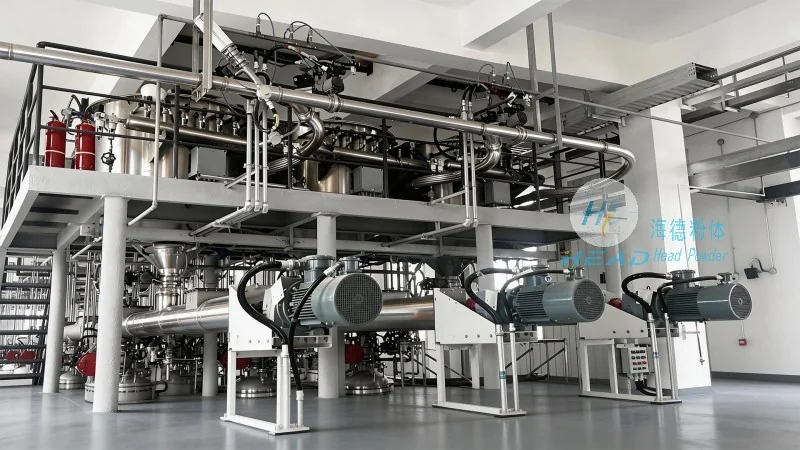
1. Material Feeding and Metering: Proper feeding is essential to maintain consistent material flow and prevent system blockages. HeadPowder utilizes advanced feeders such as rotary valves, screw feeders, and vibratory feeders, which are designed to handle the specific characteristics of silicate materials—like their particle size distribution and moisture content. These feeders ensure that the material is introduced into the system at a controlled rate, matching the conveying capacity of the pipeline.
2. Pipeline Design and Layout: The design of the conveying pipeline is crucial for minimizing pressure drop and ensuring smooth material transport. HeadPowder engineers consider factors such as pipeline diameter, length, and the number of bends, using computational fluid dynamics (CFD) to optimize the system. The use of smooth, corrosion-resistant materials like stainless steel or PTFE-coated pipes is common to prevent material buildup and ensure durability.
3. Air Treatment and Filtration: Silicate materials can be abrasive and generate dust, which can damage equipment and affect air quality. HeadPowder's systems include efficient air filtration and cleaning mechanisms. This includes cyclone separators to remove larger particles, and pulse-jet or bag filters to capture fine dust. The filtered air is then recycled or discharged, ensuring compliance with environmental regulations and maintaining system efficiency.
4. Control and Monitoring Systems: Modern silicate pneumatic conveying systems are equipped with advanced control and monitoring technologies. HeadPowder integrates programmable logic controllers (PLCs), sensors, and digital displays to monitor key parameters such as pressure, flow rate, and material level. This allows for real-time adjustments and early detection of system issues, enhancing operational reliability and reducing downtime.
Applications of Silicate Pneumatic Conveying Systems
Silicate pneumatic conveying systems find extensive applications across various industries due to their flexibility and efficiency. HeadPowder has successfully implemented these systems in several key sectors:
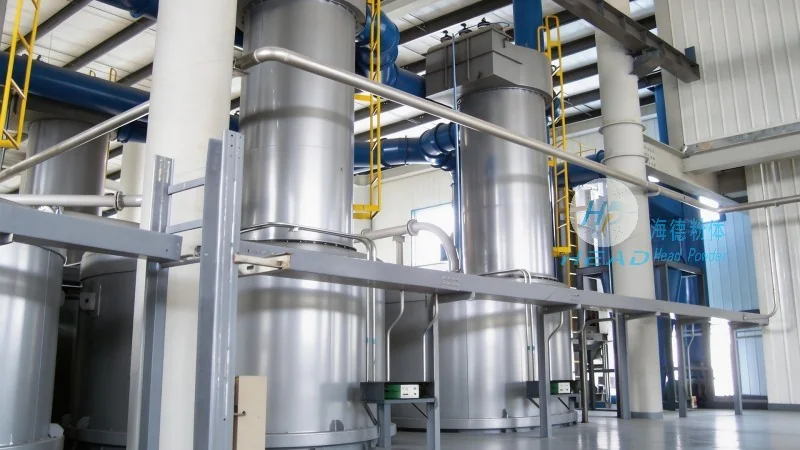
1. Ceramics and Glass Manufacturing: In the production of ceramics and glass, silicate materials like kaolin, silica sand, and feldspar are transported from raw material storage to processing lines. HeadPowder's systems ensure that these materials are delivered to the kilns or mixers without contamination or loss. The systems are designed to handle high temperatures and abrasive materials, with features like heat-resistant components and robust construction.
2. Construction Materials Processing: For the processing of construction materials such as cement, lime, and gypsum, pneumatic conveying systems are used to transport raw materials and finished products. HeadPowder's solutions help in reducing labor costs and improving safety by eliminating manual handling of heavy bags or bulk loads. The systems are also suitable for transporting materials with high moisture content, as they can handle wet or sticky powders without clogging.
3. Chemical and Pharmaceutical Industries: In the chemical and pharmaceutical sectors, silicate materials are used as fillers or excipients. HeadPowder's systems are designed to meet stringent hygiene and contamination control requirements. The use of stainless steel components and closed-loop systems ensures that the materials remain clean and free from cross-contamination, which is critical in pharmaceutical applications.
4. Environmental and Waste Management: Silicate materials can also be part of waste management processes, such as the handling of fly ash or other industrial byproducts. HeadPowder's pneumatic conveying systems are used to transport these materials from collection points to disposal or recycling facilities. The systems are designed to handle low-density materials and can be integrated with dust collection equipment to minimize environmental impact.
Case Studies and Practical Examples
HeadPowder has successfully implemented silicate pneumatic conveying systems in numerous projects, demonstrating the effectiveness of its solutions. For example, in a ceramic factory in Shandong, China, the company installed a pressure conveying system to transport kaolin from storage silos to the production line. The system increased the material handling capacity by 30% and reduced labor costs by 20% compared to traditional methods. Another case involved a glass manufacturing plant where a vacuum system was used to collect and transport silica sand from multiple collection points. The system improved material recovery rates and reduced dust emissions, contributing to better workplace safety and environmental compliance.
Conclusion and Future Trends
Silicate pneumatic conveying systems remain a vital technology in the efficient handling of silicate materials across various industries. HeadPowder's expertise in system classification, design, and implementation ensures that clients receive tailored solutions that meet their specific operational needs. As industries continue to demand higher efficiency and lower environmental impact, the integration of advanced technologies like CFD, PLC control, and smart sensors will further enhance the performance of these systems. With its headquarters in Shandong, China, HeadPowder remains committed to providing innovative and reliable pneumatic conveying solutions for the global market.