

Introduction to Pneumatic Conveying of Masterbatch Pellets and Explanation of the Working Principle
Masterbatch pellets, widely used in the plastic and polymer industries, require efficient and reliable handling methods to ensure consistent quality and process efficiency. Pneumatic conveying systems have emerged as a preferred solution for transporting these materials, offering advantages such as reduced contamination, improved safety, and enhanced process control. This article provides an overview of pneumatic conveying for masterbatch pellets and explains the fundamental principles behind the operation of such systems.
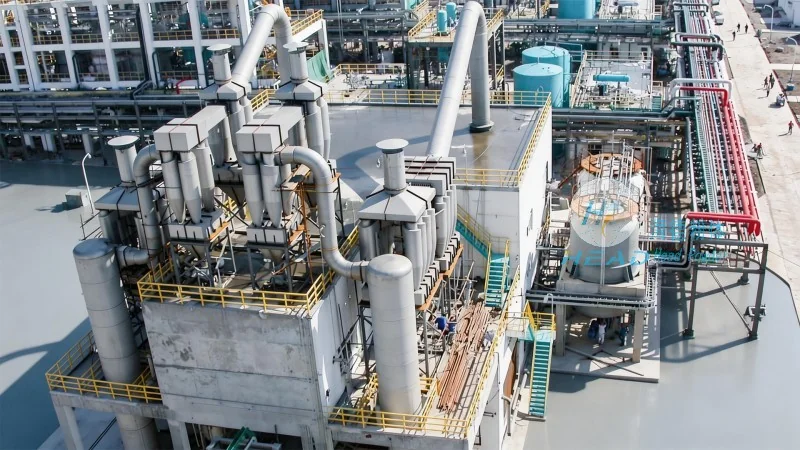
Understanding Pneumatic Conveying Systems
Pneumatic conveying systems utilize air or other gases to transport bulk materials like masterbatch pellets through a pipeline network. The core components of a typical system include a material feed hopper, a conveying line, a control valve, and a discharge outlet. The system operates by creating a pressure differential between the inlet and outlet, which propels the material forward. There are two main types of pneumatic conveying: pressure and vacuum systems. Pressure systems use compressed air to push the material, while vacuum systems use a vacuum to pull the material. For masterbatch pellets, which are often sensitive to moisture and contamination, pressure systems are commonly preferred due to their ability to maintain a positive pressure environment, preventing external contaminants from entering the system.
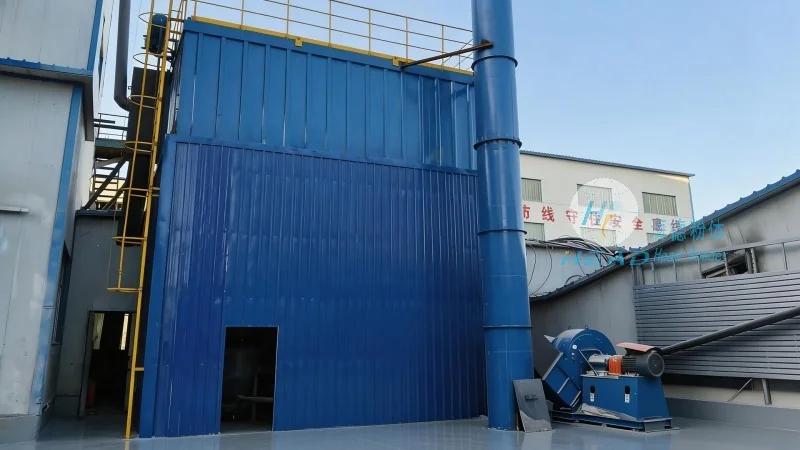
The Working Principle of Pneumatic Conveying for Masterbatch Pellets
The process begins with the masterbatch pellets being fed into the hopper. From there, the material is drawn into the conveying line by the movement of air. The air is typically generated by a blower or compressor, which creates a high-pressure or low-pressure environment depending on the system type. As the air flows through the pipeline, it carries the pellets along, ensuring a smooth and continuous transport. The conveying velocity and pressure are carefully controlled to prevent material degradation or blockages. The system also includes a filter and cyclone separator to remove any fines or dust from the air before it is discharged, maintaining a clean and efficient operation.
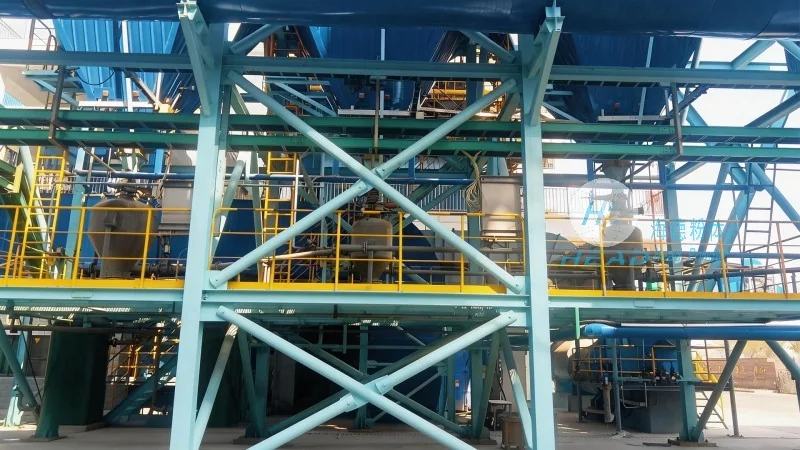
Advantages of Pneumatic Conveying for Masterbatch Pellets
Implementing a pneumatic conveying system for masterbatch pellets offers several key benefits. Firstly, it minimizes the risk of contamination, as the material is enclosed within the pipeline, protecting it from dust, moisture, and other external factors. This is crucial for maintaining the color and quality of the masterbatch, which is critical in applications like plastic molding and extrusion. Secondly, pneumatic conveying enhances safety by eliminating the need for manual handling of bulk materials, reducing the risk of accidents and injuries. Thirdly, the system provides precise control over the material flow rate and pressure, allowing for consistent and uniform delivery to downstream processes. Additionally, pneumatic conveying systems are compact and can be easily integrated into existing production lines, saving space and reducing installation costs.
HeadPowder Engineering: Experts in Pneumatic Conveying Solutions
Shandong HeadPowder Engineering Co., Ltd., a leading manufacturer and supplier of pneumatic conveying systems, specializes in providing customized solutions for the handling of masterbatch pellets and other bulk materials. With years of experience in the industry, HeadPowder has developed a range of high-quality systems tailored to meet the specific needs of clients in the plastic, polymer, and related industries. The company's products are designed with advanced technology and robust construction, ensuring durability, reliability, and efficient performance. HeadPowder's team of engineers and technicians work closely with clients to understand their operational requirements and provide tailored solutions that optimize material handling processes. The company's commitment to quality and customer satisfaction has made it a trusted partner for businesses seeking reliable pneumatic conveying systems.
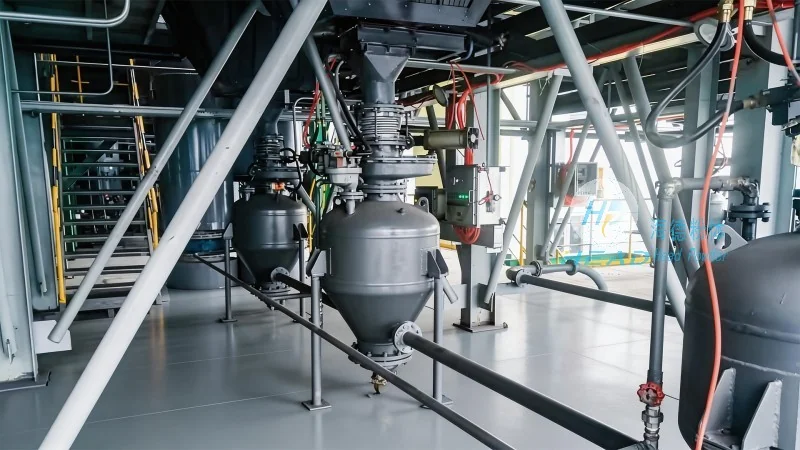
Conclusion
Pneumatic conveying systems represent a sophisticated and effective method for transporting masterbatch pellets, offering numerous advantages over traditional handling methods. By understanding the working principles and benefits of such systems, businesses can enhance their production efficiency, maintain product quality, and ensure a safe working environment. With the expertise and experience of companies like Shandong HeadPowder Engineering Co., Ltd., businesses can access high-quality pneumatic conveying solutions that meet their specific requirements and contribute to their overall operational success.