

Principle of Lithium Cobalt Oxide Pneumatic Conveying System
HeadPowder, a leading provider of advanced material handling solutions, specializes in the design and implementation of efficient pneumatic conveying systems for lithium cobalt oxide (LCO) powders. This article delves into the fundamental principles underlying such systems, highlighting the technical aspects, operational benefits, and practical applications that define modern LCO handling technologies.
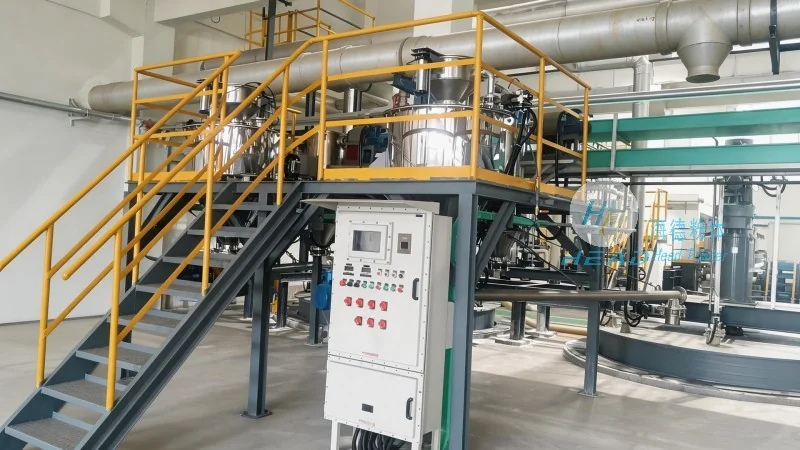
Introduction to Lithium Cobalt Oxide and Pneumatic Conveying
Lithium cobalt oxide (LCO) is a critical cathode material in lithium-ion batteries, widely used in electric vehicles and portable electronics. Handling LCO powders requires precise control to prevent agglomeration, dust generation, and material degradation. Pneumatic conveying systems offer a non-contact, low-maintenance method to transport these sensitive materials safely and efficiently. HeadPowder Engineering, based in Shandong, China, has developed specialized solutions tailored to the unique properties of LCO, ensuring optimal performance and reliability.
Core Components of a Pneumatic Conveying System for LCO
The pneumatic conveying system for LCO typically consists of several key components that work in concert to achieve reliable material transport. These include a hopper or feeder for material storage and metering, a blower or air compressor to generate the conveying air, a pipeline network to direct the material-air mixture, and a receiver or silo for material discharge. Each component is designed to handle the specific characteristics of LCO, such as its fine particle size, hygroscopic nature, and potential for static charge accumulation.
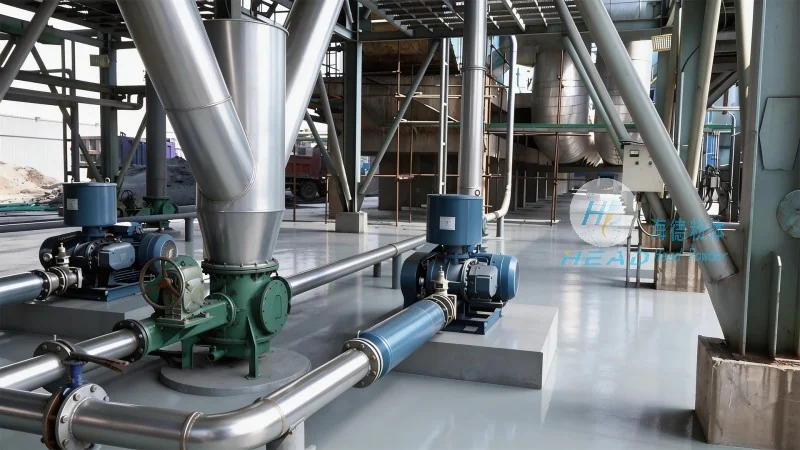
Working Principle: Air-Driven Material Transport
The fundamental principle of pneumatic conveying involves using compressed air to create a flow that transports the LCO powder through the pipeline. There are two primary types of pneumatic conveying systems: dilute-phase and dense-phase. Dilute-phase systems use high-velocity air to suspend the particles in the air stream, while dense-phase systems employ lower velocities and higher air pressure to push the material in a plug flow. For LCO, dilute-phase systems are often preferred due to their ability to maintain particle integrity and minimize segregation. The system operates by drawing LCO from the hopper, mixing it with compressed air, and transporting it to the destination silo or processing equipment. The air pressure and velocity are carefully controlled to ensure consistent flow rates and prevent material degradation.
Technical Advantages of the System
Implementing a pneumatic conveying system for LCO offers several technical advantages that enhance operational efficiency and product quality. Firstly, the non-contact nature of the system prevents contamination from external sources, ensuring the purity of the LCO material. Secondly, the system reduces labor costs by automating the material handling process, minimizing manual intervention and associated risks. Thirdly, it improves safety by eliminating the need for manual handling of fine powders, which can pose respiratory and explosion hazards. Additionally, the system provides precise control over flow rates and pressure, allowing for consistent material delivery to downstream processes. HeadPowder's engineering expertise ensures that these advantages are maximized through optimized component selection and system design.
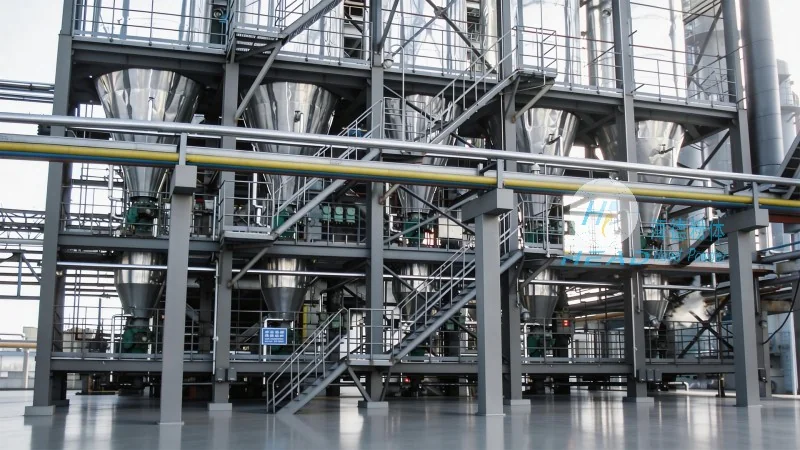
Application Scenarios and Operational Considerations
Pneumatic conveying systems for LCO are widely used in various stages of battery production, from raw material handling to finished product packaging. In battery manufacturing plants, these systems are employed to transport LCO from storage silos to mixing and coating lines. The systems are also used in research and development facilities to handle small batches of LCO for testing and analysis. Operational considerations include maintaining proper air filtration to prevent dust accumulation in the system, controlling humidity levels to avoid moisture-related issues with LCO, and implementing grounding and bonding measures to manage static electricity. HeadPowder's solutions address these considerations through integrated design, ensuring reliable operation in diverse industrial environments.
Conclusion: Enhancing LCO Handling with Advanced Pneumatic Technology
HeadPowder Engineering's pneumatic conveying systems for lithium cobalt oxide represent a sophisticated approach to material handling, combining advanced engineering with practical application expertise. By adhering to the fundamental principles of air-driven transport and optimizing system components, these solutions provide reliable, efficient, and safe handling of LCO powders. With a focus on quality and customer satisfaction, HeadPowder continues to innovate in the field of material handling, supporting the growing demand for lithium-ion battery technology. Based in Shandong, China, HeadPowder serves clients globally, delivering tailored solutions that meet the specific needs of the battery industry.