

Principle of Pulverized Paper Pneumatic Conveying System
HeadPowder, a leading engineering firm based in Shandong, China, specializes in the design and implementation of advanced pneumatic conveying systems for handling pulverized materials like shredded paper. This article delves into the fundamental principles behind such systems, highlighting how they efficiently transport fine particulate materials over varying distances with minimal operational complexity.
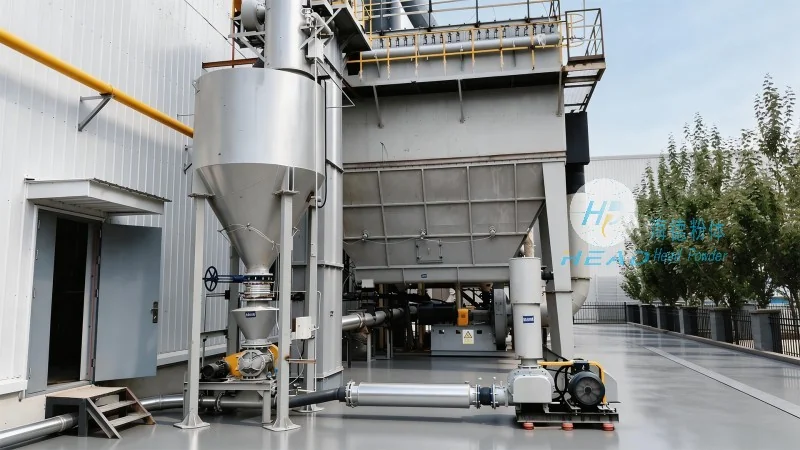
Core Components and Working Principle
The pneumatic conveying system for pulverized paper operates on the principle of using compressed air to move material through a pipeline. At its heart, the system comprises several key components: a material feed hopper, an air compressor, a conveying line, and a discharge unit. The process begins when shredded paper is fed into the hopper. Compressed air, generated by the air compressor, is introduced into the conveying line, creating a pressure differential that propels the material forward. As the air flows through the pipeline, it entrains the fine particles, forming a dense mixture known as a "pneumatic stream." This stream travels through the pipeline until it reaches the discharge point, where the air is separated from the material, typically via a cyclone separator or a venturi system, allowing the paper to be deposited at the desired location.
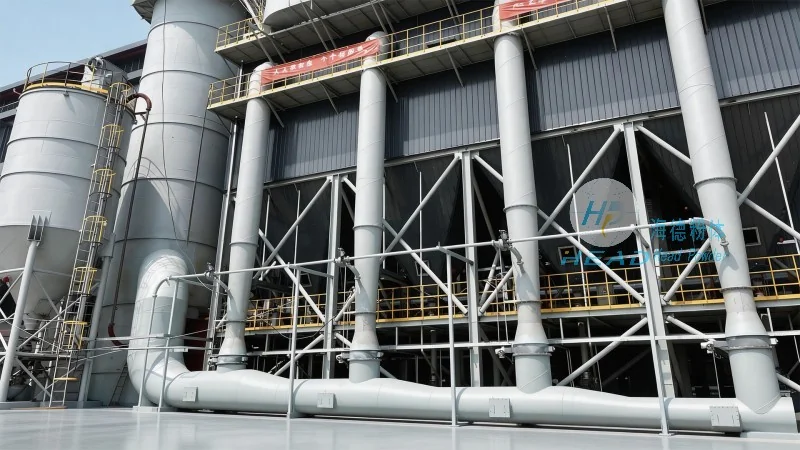
Advantages of Pneumatic Conveying for Shredded Paper
Compared to traditional mechanical conveying methods, pneumatic systems offer several advantages when handling pulverized paper. Firstly, they eliminate the need for moving parts in the conveying line, reducing maintenance requirements and extending the system's lifespan. Secondly, the enclosed pipeline prevents dust emissions, ensuring a cleaner working environment and compliance with environmental regulations. Thirdly, pneumatic systems can handle materials with high moisture content or sticky properties, which are often problematic for mechanical conveyors. Additionally, they provide flexibility in system layout, as the pipeline can be routed around obstacles, making them suitable for complex facility layouts.
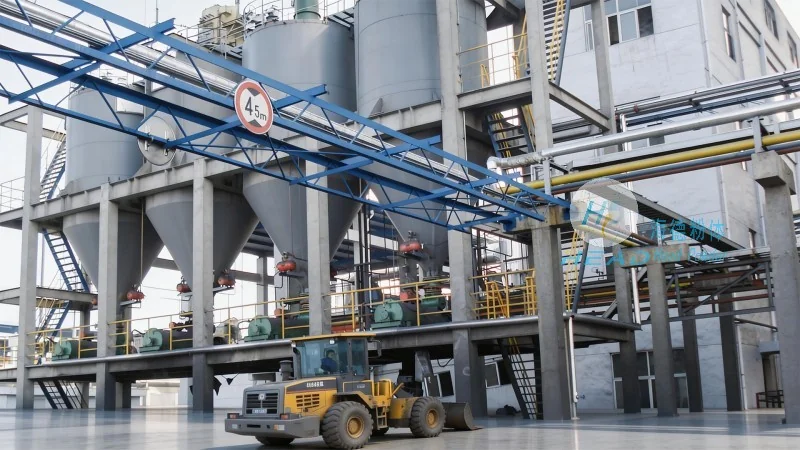
System Design Considerations for Optimal Performance
Designing an effective pneumatic conveying system for shredded paper requires careful consideration of several factors. The first is the material's properties, such as particle size, density, and moisture content, as these directly impact the air velocity and pressure needed for successful transport. For fine shredded paper, higher air velocities are typically required to prevent particle settling and ensure smooth flow. Another critical factor is the system's capacity, which must be matched to the production rate of the shredding operation. HeadPowder engineers use advanced computational fluid dynamics (CFD) modeling to simulate material flow and optimize the system's design, ensuring efficient and reliable operation. Furthermore, the system's layout, including the length and diameter of the conveying line, the number of bends, and the placement of feed and discharge points, all influence the overall performance and energy consumption.
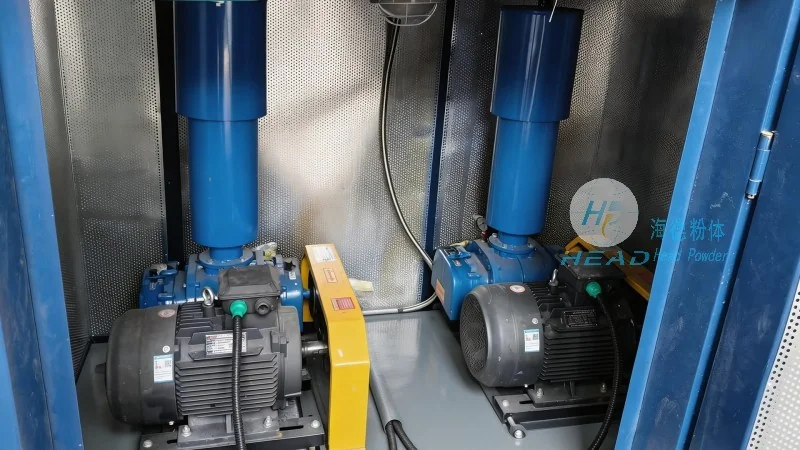
Applications and Real-World Implementation
Pulverized paper pneumatic conveying systems are widely used in various industries, including waste management, recycling, and manufacturing. In waste management facilities, these systems efficiently transport shredded paper from collection points to processing units or storage areas. In recycling plants, they help move paper fibers to pulping or baling equipment, streamlining the recycling process. The system's ability to handle large volumes of material with minimal labor makes it an ideal solution for high-throughput operations. HeadPowder has successfully implemented such systems for several clients in Shandong and other regions, demonstrating its reliability and efficiency in real-world applications.