

What Are Large-Scale Pneumatic Conveying Systems? Exploring Their Design Principles
Large-scale pneumatic conveying systems are essential industrial equipment used for the efficient transportation of bulk materials over long distances or within complex processing facilities. These systems utilize a combination of air flow and pressure to move powders, granules, and other particulate materials from one location to another, offering a flexible and often dust-free alternative to traditional mechanical conveyors. As a leading manufacturer in the field, Shandong HeadPowder Engineering Co., Ltd. specializes in designing and supplying such advanced systems tailored to meet diverse industrial needs.

Understanding Large-Scale Pneumatic Conveying Systems
At its core, a large-scale pneumatic conveying system operates by creating a pressure differential or using vacuum to draw material into a pipeline and propel it through the system using compressed air or a combination of air and vacuum. The design of these systems is critical to ensuring reliable, efficient, and safe material transport, as they must handle a wide range of material properties, including particle size, density, and moisture content. The system typically consists of several key components, such as a material feeder, a conveying line, a control system, and a discharge unit, all working in harmony to achieve optimal performance.
Key Design Principles of Large-Scale Pneumatic Conveying Systems
The design of large-scale pneumatic conveying systems is governed by several fundamental principles aimed at maximizing efficiency, minimizing energy consumption, and ensuring material integrity. One of the primary design considerations is the selection of the appropriate conveying method, which can be categorized into positive pressure, negative pressure (vacuum), or a combination of both. Positive pressure systems use compressed air to push material through the pipeline, while negative pressure systems use vacuum to pull material from the source. The choice of method depends on factors such as the material's characteristics, the distance to be covered, and the need for dust control. Additionally, the system's design must account for the material's flow properties, including its bulk density, angle of repose, and cohesive forces, to prevent blockages and ensure smooth transport.
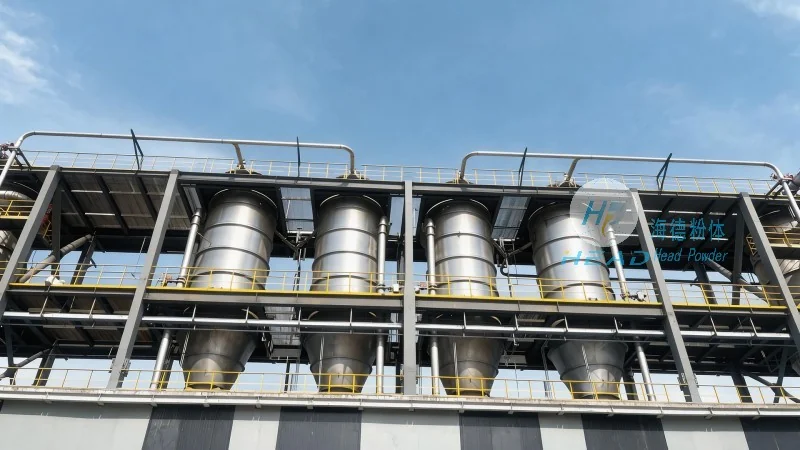
Components and Their Functions in Large-Scale Pneumatic Conveying Systems
Each component of a large-scale pneumatic conveying system plays a crucial role in the overall operation. The material feeder is responsible for introducing the material into the system at a controlled rate, ensuring consistent flow. This component can be a rotary valve, a star feeder, or a screw feeder, depending on the material's properties and the system's requirements. The conveying line, usually made of stainless steel or other corrosion-resistant materials, is designed to withstand the pressure and temperature conditions of the system. The control system, which may include sensors, valves, and a programmable logic controller (PLC), monitors and regulates the air flow and material feed to maintain optimal performance. Finally, the discharge unit, such as a rotary valve or a dust collector, collects the material at the end of the system and prepares it for further processing or storage.
Applications and Benefits of Large-Scale Pneumatic Conveying Systems
Large-scale pneumatic conveying systems find extensive applications in various industries, including food processing, pharmaceuticals, chemicals, and mining. These systems offer several advantages over traditional mechanical conveyors, such as reduced maintenance costs, improved safety due to enclosed systems, and the ability to transport materials in a dust-free environment. Additionally, they can handle materials that are difficult to convey using other methods, such as abrasive or corrosive powders. The flexibility of these systems allows for easy integration into existing production lines and adaptation to changing production demands.
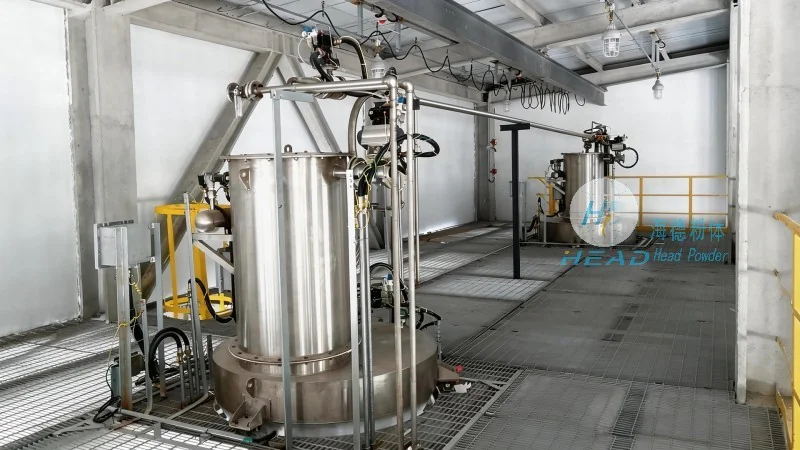
Customization and Advanced Features in Large-Scale Pneumatic Conveying Systems
Shandong HeadPowder Engineering Co., Ltd. specializes in providing customized large-scale pneumatic conveying systems that meet the specific requirements of each client. The company's engineers work closely with customers to understand their material characteristics, operational needs, and budget constraints, then design a system that maximizes efficiency and minimizes downtime. Advanced features, such as variable speed drives, automatic cleaning systems, and real-time monitoring, are incorporated into the design to enhance performance and reliability. The company's commitment to quality and innovation ensures that its systems are built to withstand the rigors of industrial use and provide long-term value.
Conclusion
In conclusion, large-scale pneumatic conveying systems are sophisticated industrial equipment that play a vital role in the efficient and safe transportation of bulk materials. The design principles and components of these systems are carefully engineered to ensure optimal performance, reliability, and adaptability to diverse industrial applications. As a leading manufacturer, Shandong HeadPowder Engineering Co., Ltd. continues to advance the technology of pneumatic conveying systems, providing innovative solutions that meet the evolving needs of the industry.