

What is a Calcined Sand Pneumatic Conveying System? What Are Its Design Principles?
For industrial applications involving the transport of calcined sand, a pneumatic conveying system is often the preferred solution. This technology efficiently moves bulk materials like calcined sand through a pipeline using air or other gas as the conveying medium. Understanding the fundamentals of such a system, including its design principles, is crucial for optimizing material handling processes and ensuring operational efficiency.
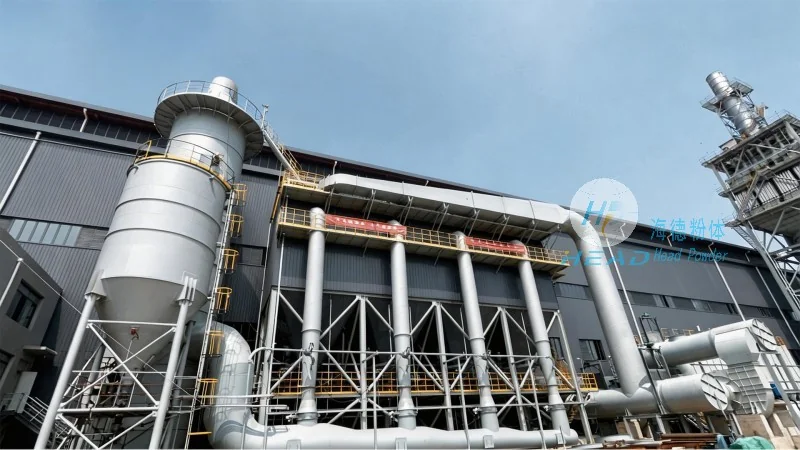
HeadPowder, a leading engineering company based in Shandong, China, specializes in the design and implementation of advanced pneumatic conveying systems tailored to the specific needs of various industries. With a focus on precision engineering and robust construction, their systems are engineered to handle the unique challenges associated with calcined sand, a material characterized by its high temperature and abrasive properties.
A calcined sand pneumatic conveying system typically consists of several key components, each playing a vital role in the overall operation. The primary elements include a material feed hopper, a conveyor pipeline, a pressure vessel or receiver, and a control system. The feed hopper is responsible for storing and metering the calcined sand, ensuring a consistent flow into the system. The pipeline, often made from corrosion-resistant materials such as stainless steel or special alloys, transports the material under pressure. The pressure vessel or receiver collects the conveyed material and may include features like a dust collection system to maintain air quality and prevent material loss.
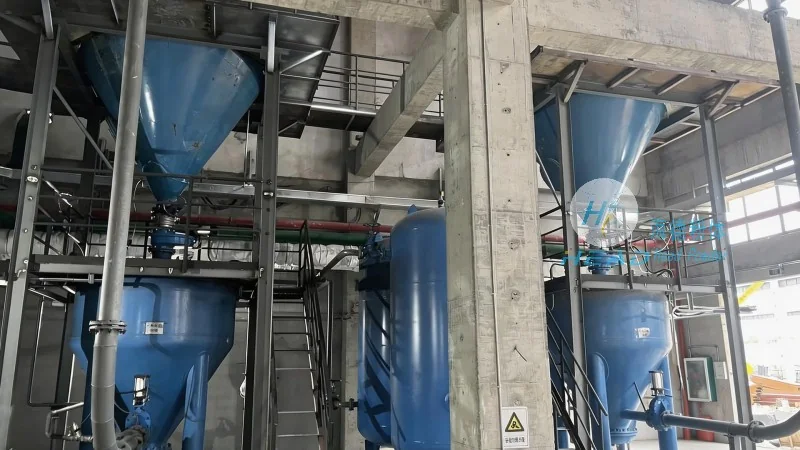
The design of a calcined sand pneumatic conveying system must account for several critical factors to ensure reliable and efficient operation. One of the most important considerations is the material's physical properties, particularly its density, flowability, and abrasiveness. Calcined sand, being a high-temperature processed product, may have a tendency to agglomerate or create frictional heat, which can affect the conveying efficiency. Therefore, the system design must incorporate features like proper hopper angles, anti-bridging mechanisms, and effective air distribution to prevent material buildup and maintain consistent flow rates.
Another key design principle is the selection of the appropriate air velocity and pressure. The air velocity must be high enough to overcome the resistance of the material in the pipeline but not so high as to cause excessive wear on the system components or lead to material degradation. The pressure system is typically categorized as either positive or negative pressure, with positive pressure systems being more common for calcined sand due to their ability to handle abrasive materials and prevent dust leakage. The pressure vessel or receiver is designed to withstand the operating pressure and may include safety features such as pressure relief valves to protect against overpressure conditions.
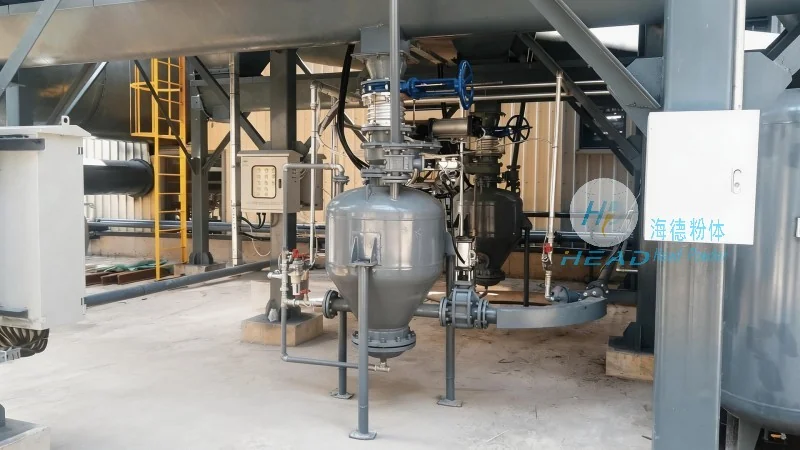
Control systems are integral to the operation of a calcined sand pneumatic conveying system, providing real-time monitoring and adjustment of the conveying parameters. Modern systems often utilize advanced sensors and automation technology to optimize the flow rate, air pressure, and material feed, ensuring that the system operates at peak efficiency. The control panel may include indicators for pressure, flow rate, and material level, allowing operators to quickly identify and address any issues that may arise during operation.
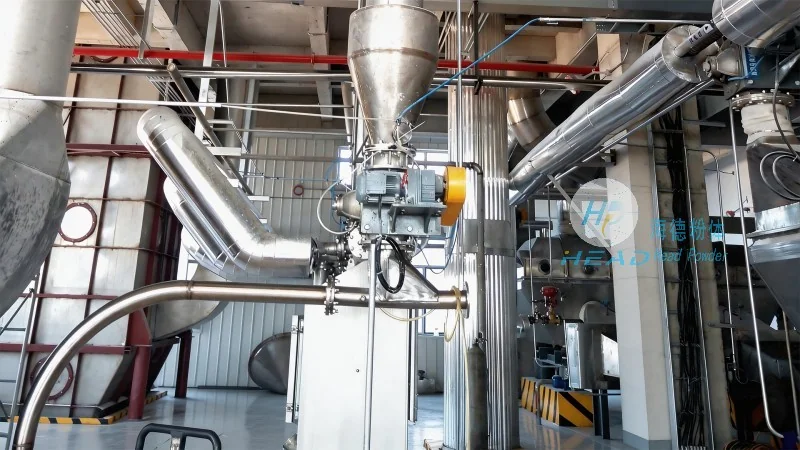
HeadPowder's expertise in calcined sand pneumatic conveying systems lies in their ability to customize solutions to meet the specific requirements of each client. By considering factors such as the material's characteristics, the distance to be conveyed, and the desired throughput, their engineering team designs systems that are both efficient and cost-effective. The company's commitment to quality and reliability is reflected in the robust construction of their equipment, which is built to withstand the harsh conditions associated with calcined sand handling.
In conclusion, a calcined sand pneumatic conveying system is a sophisticated piece of industrial equipment designed to efficiently transport calcined sand through a pipeline using air pressure. The design principles behind such systems focus on material properties, air velocity and pressure, and control systems to ensure reliable and efficient operation. Companies like Shandong HeadPowder Engineering Co., Ltd. play a vital role in providing these advanced systems, helping industries to streamline their material handling processes and improve overall productivity.