

What is a Secondary Zinc Oxide Pneumatic Conveying Machine? And What Are Its Design Principles?
For industrial applications involving the handling of secondary zinc oxide, understanding the appropriate equipment is crucial. A pneumatic conveying machine, specifically designed for this material, plays a vital role in ensuring efficient and safe material transport. This article explores what a secondary zinc oxide pneumatic conveying machine is and delves into its core design principles, providing insights into its functionality and operational benefits.
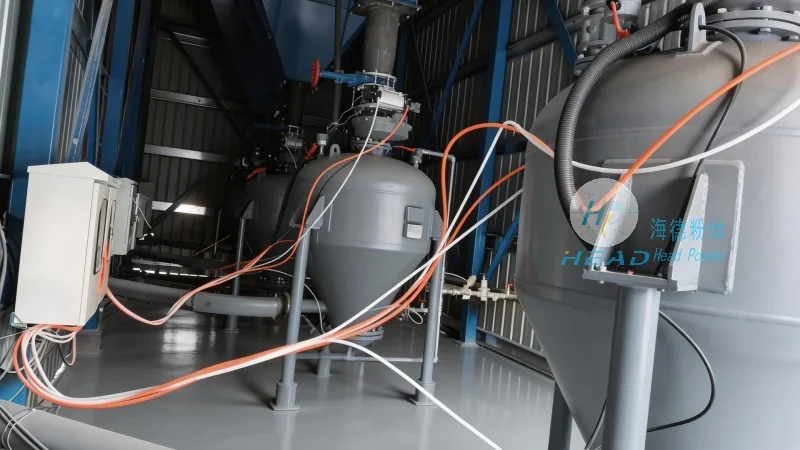
About the Manufacturer: Shandong HeadPowder Engineering Co., Ltd.
HeadPowder, a leading provider in the field, specializes in engineering solutions tailored to industrial material handling needs. With a focus on precision and reliability, the company has established itself as a trusted partner for businesses requiring advanced pneumatic conveying systems. Based in Shandong, China, HeadPowder leverages years of industry experience to deliver high-quality equipment that meets stringent performance standards. The company’s commitment to innovation and customer satisfaction drives its continuous improvement in product design and manufacturing.
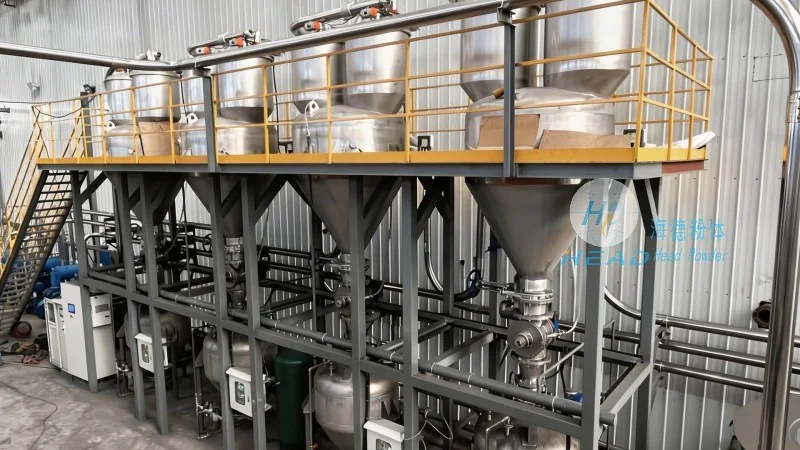
What is a Secondary Zinc Oxide Pneumatic Conveying Machine?
A secondary zinc oxide pneumatic conveying machine is a specialized system engineered to transport secondary zinc oxide powder through a pressurized air stream. Unlike traditional mechanical conveyors, this equipment utilizes air pressure to move the material, offering advantages such as reduced wear and tear on components, lower maintenance requirements, and the ability to handle fine powders without clogging. The system typically consists of a hopper, a blower or compressor, a pipeline, and a discharge unit, all working in tandem to ensure smooth material flow. This type of conveying machine is particularly suitable for industries where dust control and contamination prevention are critical, making it an ideal choice for secondary zinc oxide applications.
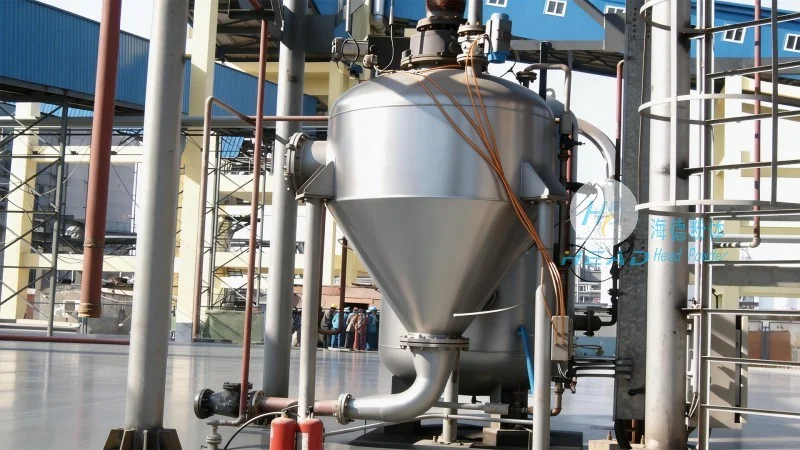
Key Design Principles of the Machine
The design of a secondary zinc oxide pneumatic conveying machine is governed by several fundamental principles aimed at optimizing performance and safety. First, the system must maintain consistent air pressure and flow rates to prevent material degradation or blockages. This is achieved through the use of high-efficiency blowers and carefully engineered pipelines that minimize pressure losses. Second, the machine is designed to handle the specific properties of secondary zinc oxide, including its particle size, moisture content, and flow characteristics. The hopper and feeding mechanisms are tailored to ensure uniform material feed, while the pipeline design accounts for potential agglomeration or bridging issues. Third, safety features are integrated into the design to protect both the equipment and personnel. This includes pressure relief valves, dust collection systems, and emergency shut-off mechanisms, ensuring compliance with industrial safety regulations. Additionally, the materials used in construction, such as corrosion-resistant metals and non-stick coatings, are selected to withstand the chemical properties of zinc oxide and prevent contamination.
Operational Benefits and Applications
Implementing a secondary zinc oxide pneumatic conveying machine offers numerous operational benefits. The primary advantage is enhanced efficiency in material transport, as the system can move large quantities of powder over long distances with minimal labor. This reduces downtime and increases overall productivity in industrial processes. Furthermore, the pneumatic design minimizes product contamination, which is essential for applications where purity is paramount, such as in pharmaceutical or food processing industries. The system also provides better dust control compared to traditional methods, improving workplace safety and environmental compliance. In addition, the flexibility of the system allows for easy integration into existing production lines, adapting to varying production demands without significant modifications. Industries that commonly utilize this equipment include chemical manufacturing, mining, and material processing, where secondary zinc oxide is a key component in various products.
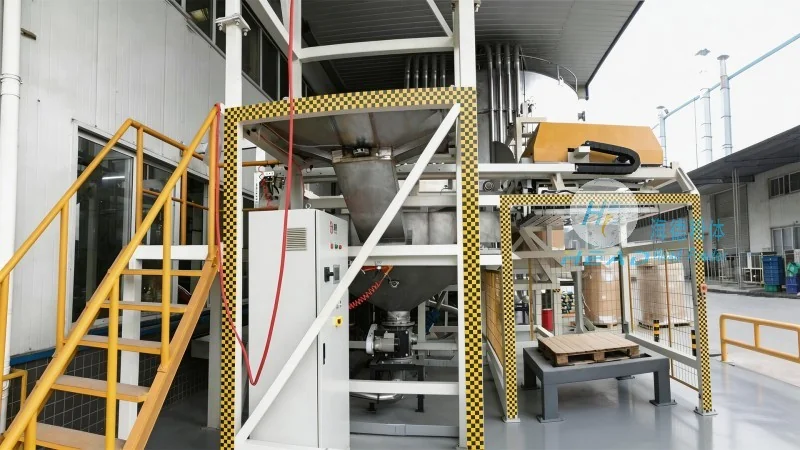
Conclusion
In summary, a secondary zinc oxide pneumatic conveying machine is a sophisticated piece of equipment designed to efficiently and safely transport secondary zinc oxide powder. Its design principles focus on maintaining consistent air pressure, handling material-specific properties, and incorporating safety features to ensure reliable operation. Manufactured by Shandong HeadPowder Engineering Co., Ltd., this equipment exemplifies the company’s commitment to quality and innovation in industrial material handling. By understanding the design and benefits of such a machine, businesses can make informed decisions to enhance their operational efficiency and meet industry standards.