

What is a Lithium Manganese Oxide Powder Conveying System? And What Are Its Design Principles?
For manufacturers in the lithium battery industry, the efficient and reliable handling of lithium manganese oxide (LMO) powder is a critical aspect of production. The LMO powder conveying system, developed by Shandong HeadPowder Engineering Co., Ltd., based in China, is a specialized solution designed to address the unique challenges associated with transporting this high-purity material. This article explores the fundamental concepts of such a system and delves into the underlying design principles that ensure optimal performance.
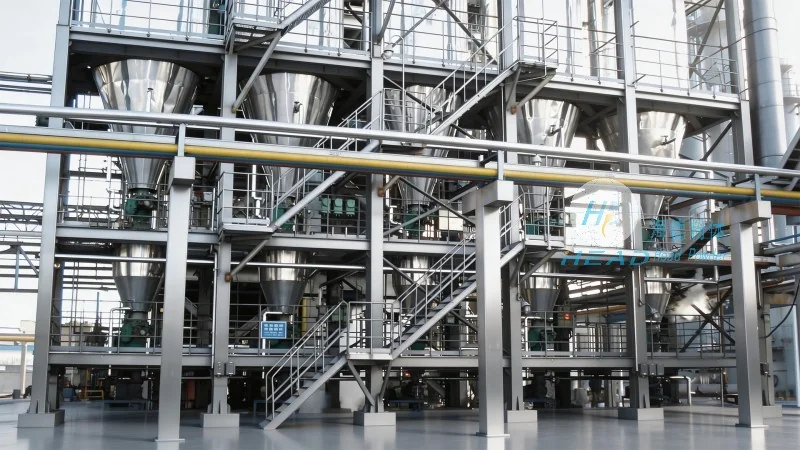
Introduction to Lithium Manganese Oxide Powder Conveying Systems
Lithium manganese oxide (LMO) is a key cathode material used in lithium-ion batteries, valued for its stability, safety, and cost-effectiveness. The powder form of LMO requires precise handling to maintain its chemical integrity and prevent contamination. A powder conveying system is a mechanical setup that moves LMO powder from one location to another within a production facility, such as from a storage silo to a mixing or coating line. The system typically includes components like hoppers, feeders, conveyors, and control systems, all working in tandem to ensure a smooth and controlled flow of the material.
Key Components of the Powder Conveying System
The LMO powder conveying system consists of several interconnected parts, each serving a specific function. The primary components include:
1. Hoppers and Storage Silos: These are used to store the LMO powder in bulk. The design of the hopper is crucial to prevent material bridging or caking, which can disrupt the flow. The silos are often equipped with agitators or vibrators to keep the powder moving and prevent static buildup.
2. Pneumatic or Mechanical Feeders: Feeders regulate the flow of LMO powder from the hopper to the conveyor. Pneumatic feeders use air pressure to move the powder, while mechanical feeders, such as screw or rotary valves, rely on mechanical action. The choice of feeder depends on the material's properties and the required flow rate.
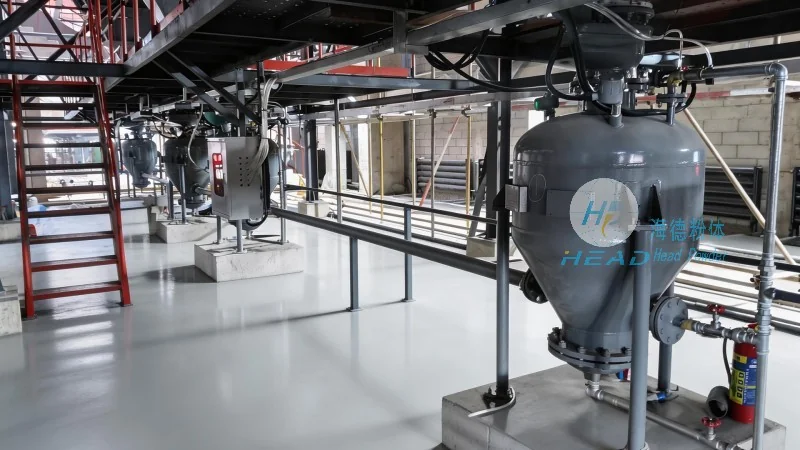
3. Conveyors: The conveyor is the core of the system, responsible for transporting the LMO powder over long distances. Common types include screw conveyors, pneumatic conveying lines, and bucket elevators. Screw conveyors are ideal for horizontal or slight incline transport, while pneumatic systems are suitable for longer vertical or horizontal distances. The conveyor design must consider factors like material density, particle size, and the need to maintain a consistent flow rate.
4. Control Systems: Modern powder conveying systems are equipped with advanced control systems that monitor and adjust the flow rate, pressure, and other parameters in real-time. These systems use sensors to detect blockages, overflows, or other issues and trigger appropriate responses to maintain system stability.
Design Principles for Optimal Performance
The design of an LMO powder conveying system is guided by several key principles to ensure efficiency, safety, and reliability. These principles include:
1. Airflow Management: For pneumatic conveying systems, proper airflow is essential to prevent material degradation and ensure consistent transport. The system must be designed to maintain sufficient air velocity to keep the powder suspended and prevent settling or clogging in the pipes.
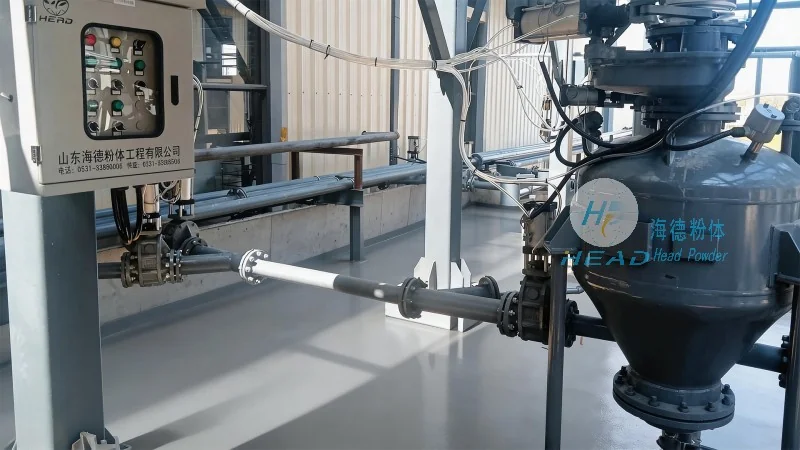
2. Prevention of Material Degradation: LMO powder is sensitive to moisture and temperature changes, which can affect its performance. The conveying system must be sealed and insulated to minimize exposure to the environment. Additionally, the use of low-friction materials and gentle handling mechanisms reduces the risk of particle attrition or agglomeration.
3. Prevention of Contamination: The system must be designed to prevent cross-contamination from other materials or the environment. This includes using clean, inert materials for construction and implementing proper cleaning protocols. The hoppers and conveyors are often made of stainless steel or other corrosion-resistant materials to maintain the purity of the LMO powder.
4. Energy Efficiency: The design aims to minimize energy consumption while maintaining performance. This involves optimizing the conveyor speed, reducing air pressure requirements, and using efficient control systems. Energy-saving features, such as variable frequency drives (VFDs), are often incorporated to adjust the system's power usage based on the demand.
Application and Benefits
The LMO powder conveying system is widely used in the lithium battery manufacturing process, particularly in the production of cathodes. By ensuring a consistent and controlled supply of LMO powder, the system helps improve production efficiency, reduce downtime, and maintain product quality. The benefits of using such a system include:
1. Improved Productivity: The automated conveying process reduces the need for manual handling, which can be labor-intensive and prone to errors. This leads to higher throughput and lower production costs.
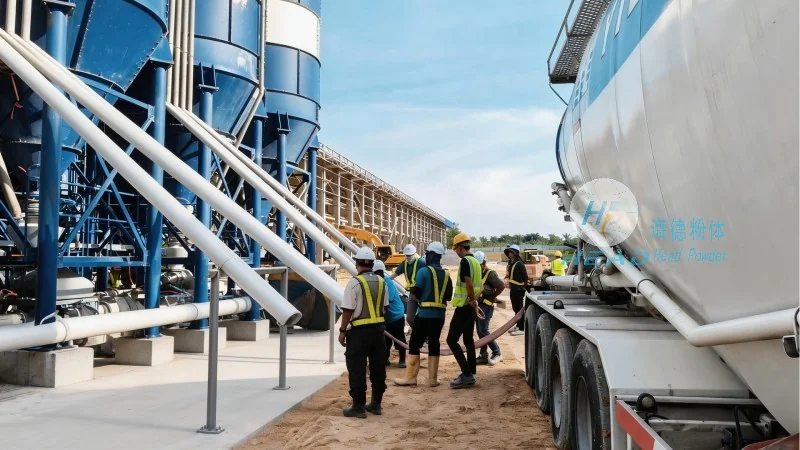
2. Enhanced Safety: The system minimizes the risk of dust exposure and material spills, creating a safer working environment for operators. The sealed design also prevents dust from entering the facility, reducing the risk of fire or explosion.
3. Consistent Quality: By maintaining the purity and integrity of the LMO powder, the system ensures that the final battery products meet the required specifications. This is critical for achieving consistent performance and reliability in the end-use applications.
4. Scalability: The system can be designed to accommodate varying production volumes, making it suitable for both small-scale and large-scale manufacturing operations. This flexibility allows manufacturers to adapt to changing market demands without significant modifications.
Conclusion
The LMO powder conveying system, developed by Shandong HeadPowder Engineering Co., Ltd., is a sophisticated solution that addresses the unique challenges of handling lithium manganese oxide powder in the battery manufacturing industry. By adhering to the design principles of efficient airflow, material protection, and contamination prevention, the system ensures reliable and high-quality transport of the material. As a key component of the battery production process, this system plays a vital role in enhancing productivity, safety, and product quality. For manufacturers seeking to optimize their LMO handling processes, investing in a well-designed powder conveying system is a strategic step toward achieving operational excellence.