

What is the Material Handling of Edible Salt? And What Are Its Design Principles?
Edible salt, a fundamental ingredient in food production and preservation, often requires efficient material handling systems to ensure safe and effective processing. The material handling of edible salt involves the movement, storage, and transfer of salt from its source to various processing stages, including packaging and distribution. This process is critical for maintaining product quality, adhering to safety standards, and optimizing operational efficiency.
Understanding the Core Components of Edible Salt Material Handling
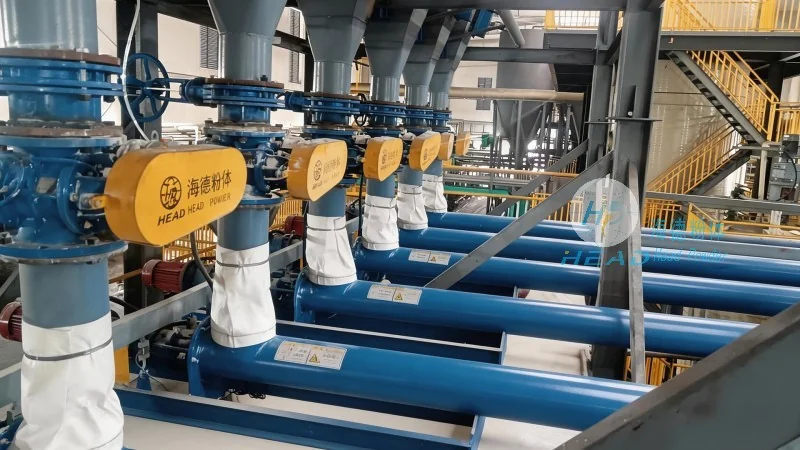
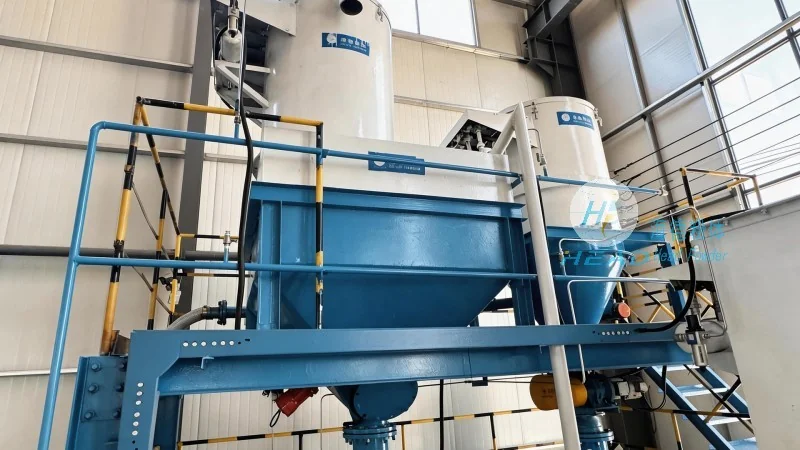
The material handling of edible salt typically encompasses several key components that work together to facilitate smooth operations. These components include bulk storage solutions, conveying systems, and processing equipment designed specifically for salt's physical properties. Bulk storage silos or hoppers are commonly used to store large quantities of salt, ensuring a steady supply for production lines. Conveying systems, such as belt conveyors or screw conveyors, are then employed to transport the salt from storage to processing areas. These systems must be designed to handle the abrasive nature of salt and prevent contamination, which is a critical consideration in food processing.
The Design Principles Behind Edible Salt Material Handling Systems
Designing an effective edible salt material handling system requires careful consideration of several key principles. First, the system must prioritize hygiene and safety, as salt is used in food applications where contamination is unacceptable. Materials used in the construction of equipment, such as stainless steel, are essential to prevent corrosion and maintain sanitary conditions. Second, efficiency is a primary goal, as the cost of material handling can significantly impact overall production costs. Systems should be designed to minimize downtime, reduce energy consumption, and maximize throughput. Third, flexibility is important, as salt processing facilities may need to handle different types of salt or adjust production volumes based on demand. Modular designs and adjustable conveying systems help achieve this flexibility without compromising performance.
Key Considerations for Implementing Edible Salt Material Handling Solutions
When implementing an edible salt material handling system, several factors must be taken into account to ensure optimal performance. The first consideration is the physical properties of the salt itself. Edible salt can vary in grain size, moisture content, and density, which affects how it flows and is handled. Systems must be designed to accommodate these variations to prevent issues like clogging or uneven flow. Second, the scale of the operation is a critical factor. Small-scale operations may require simpler systems, while large-scale industrial facilities need more robust and high-capacity solutions. Third, regulatory compliance is essential, as food processing facilities must adhere to strict standards set by organizations like the FDA or EU regulations. This includes proper labeling, traceability, and documentation of the salt's origin and processing history.

How Shandong HeadPowder Engineering Co., Ltd. Supports Edible Salt Material Handling
Shandong HeadPowder Engineering Co., Ltd., a leading provider of engineering solutions for the food processing industry, specializes in designing and manufacturing customized material handling systems for edible salt. With years of experience in the field, the company understands the unique challenges of handling salt and has developed innovative solutions to address them. HeadPowder's team of engineers works closely with clients to assess their specific needs, from storage capacity to conveyor speed, and designs systems that meet both operational and regulatory requirements. The company's commitment to quality and safety is evident in its use of high-grade materials and adherence to industry standards. By partnering with HeadPowder, food processing facilities can ensure that their edible salt material handling systems are efficient, reliable, and compliant with all necessary regulations.