

[CATHODE MATERIAL MATERIAL HANDLING: UNDERSTANDING ITS DESIGN PRINCIPLES]
HeadPowder, a leading engineering firm based in Shandong, China, specializes in the design and implementation of material handling systems tailored for cathode material processing. This article delves into the core aspects of cathode material material handling, exploring what it entails and the fundamental design principles that govern its effective operation.
What is Cathode Material Material Handling?
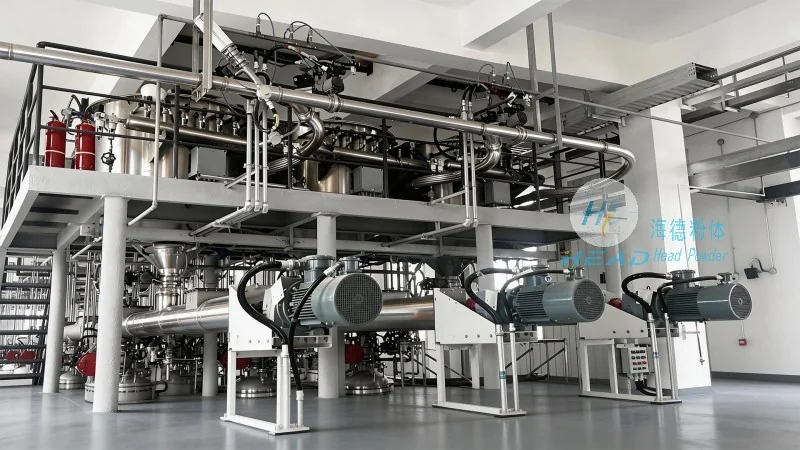
Cathode material material handling refers to the systematic process of transporting, storing, and managing raw materials and intermediate products used in the production of lithium-ion battery cathodes. These materials, such as lithium cobalt oxide (LiCoO₂), lithium nickel manganese cobalt oxide (NMC), and lithium iron phosphate (LFP), require specialized handling due to their chemical properties, particle size, and the need for contamination control. The material handling system is a critical link in the battery manufacturing chain, ensuring that materials are transferred efficiently and safely from storage to processing equipment.
Key Components of a Cathode Material Handling System
The design of a cathode material handling system typically integrates several key components to achieve seamless material flow. These components include bulk material storage silos or hoppers, conveying equipment like screw conveyors, belt conveyors, or pneumatic systems, and processing units such as mixers, classifiers, and dosing mechanisms. Each component is selected based on the material's characteristics and the production requirements, ensuring compatibility and optimal performance.
Design Principles for Efficient Material Handling
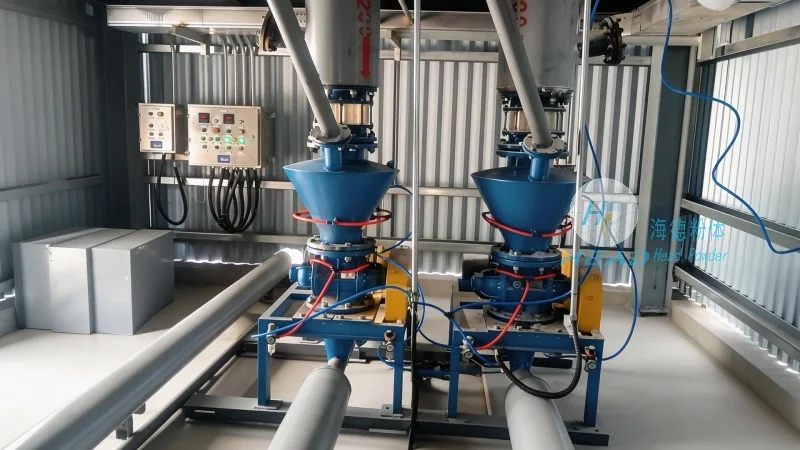
Effective cathode material handling is guided by several key design principles aimed at maximizing efficiency, minimizing material loss, and ensuring safety. One of the primary principles is the minimization of material degradation during transport. This involves selecting appropriate conveying methods and equipment that prevent particle attrition or contamination. For example, pneumatic conveying systems are often used for fine powders to reduce particle breakage compared to mechanical conveyors.
Another critical principle is the maintenance of material purity and consistency. Cathode materials are highly sensitive to impurities, which can affect battery performance. Therefore, the handling system must incorporate features like sealed containers, dust collection systems, and precise dosing mechanisms to prevent cross-contamination and ensure uniform material quality. HeadPowder's engineering expertise focuses on designing systems that meet these stringent purity requirements.
System Integration and Process Optimization
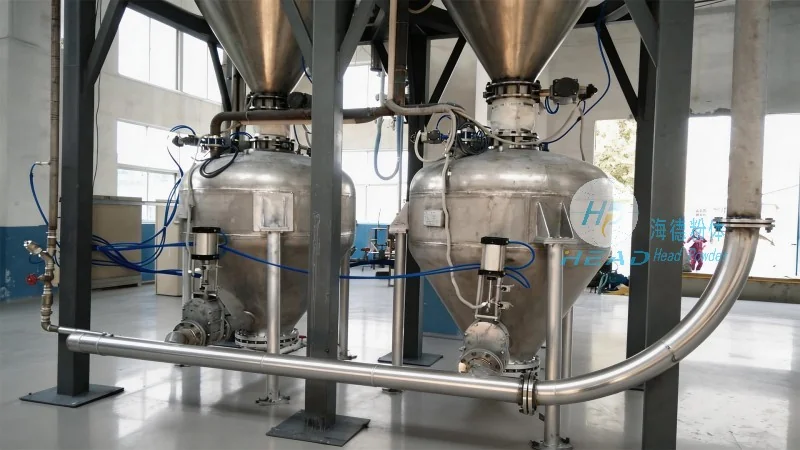
A well-designed cathode material handling system is not just a collection of individual components but an integrated process that optimizes material flow from receipt to processing. This involves coordinating the storage, conveying, and processing stages to minimize downtime and maximize throughput. For instance, the system may include automated level sensors in silos to trigger material release only when the level drops below a certain threshold, preventing overfilling or underfilling. Additionally, real-time monitoring and control systems can adjust conveyor speeds or dosing rates based on production demand, enhancing operational flexibility.
Safety and Environmental Considerations
Given the nature of cathode materials, which may include hazardous substances or generate dust, safety and environmental compliance are paramount in system design. HeadPowder incorporates robust safety features such as explosion-proof designs for pneumatic systems, dust suppression mechanisms, and emergency shutdown protocols. Environmental considerations include dust collection systems to minimize air pollution and waste management practices to handle any byproducts safely. These measures ensure that the material handling process adheres to regulatory standards while protecting personnel and the environment.
Conclusion
Cathode material material handling is a complex yet essential aspect of battery manufacturing, requiring a deep understanding of material properties and engineering principles. HeadPowder, with its expertise in material handling systems, provides tailored solutions that address the unique challenges of cathode material processing. By adhering to design principles focused on efficiency, purity, and safety, these systems play a crucial role in ensuring the quality and reliability of lithium-ion batteries. As the demand for high-performance batteries grows, the importance of well-designed material handling systems will only increase, making them a critical component of modern battery production.