

What is a Gypsum Powder Material Handling System? What Are Its Design Principles?
Efficient and reliable material handling is crucial in the industrial processing of gypsum and other fine powders. A gypsum powder material handling system is a specialized setup designed to transport, store, and manage these powders safely and effectively. Understanding its components and design principles is essential for optimizing operations in construction, manufacturing, and related industries.
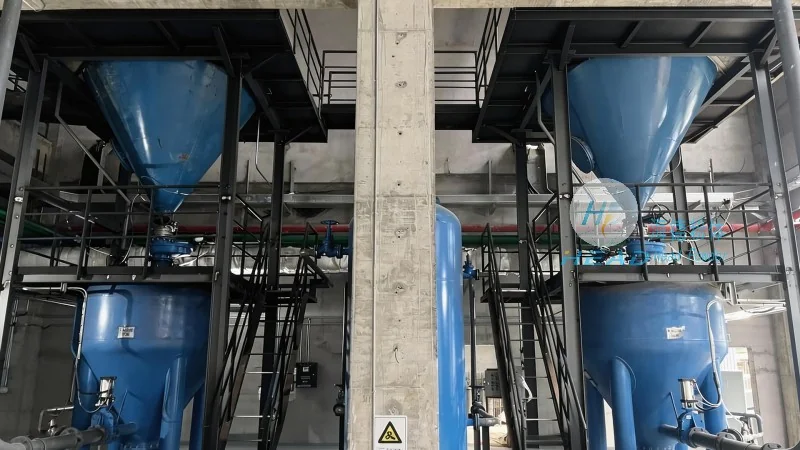
Introduction to Gypsum Powder Material Handling Systems
Gypsum powder, a widely used building material, requires precise handling to maintain quality and prevent contamination. The gypsum powder material handling system encompasses a range of equipment and processes tailored to the unique properties of gypsum—such as its fine particle size, hygroscopic nature, and potential for dust generation. This system ensures that gypsum is moved from storage to processing or packaging stages with minimal loss and maximum efficiency.
About HeadPowder: Your Expert in Material Handling Solutions
HeadPowder, a leading provider of material handling systems, is dedicated to delivering innovative solutions for industries dealing with gypsum and other fine powders. With headquarters in Shandong, China, HeadPowder Engineering Co., Ltd. leverages years of experience and technical expertise to design systems that meet the specific needs of clients. Our commitment to quality and customer satisfaction has established us as a trusted partner in the field.
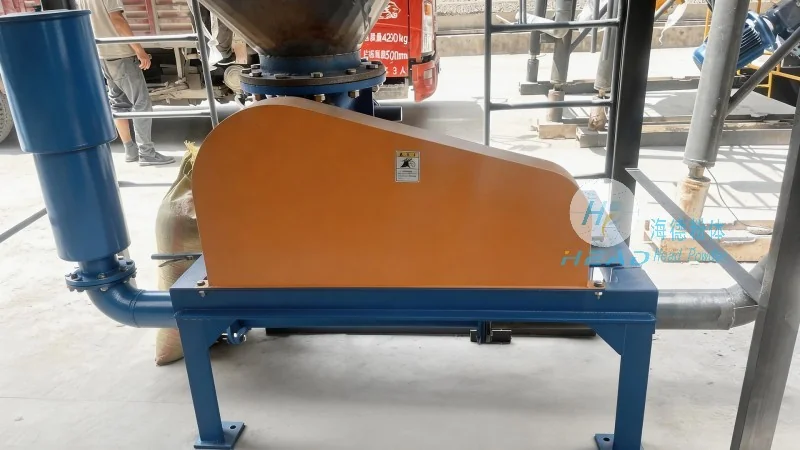
Core Components and Design Principles of the System
The gypsum powder material handling system typically includes several key components, each playing a vital role in the overall operation. The design principles are centered on ensuring safety, efficiency, and durability, especially when handling fine powders that are prone to dust and clogging.
First, the system begins with a storage silo or hopper, which holds the gypsum powder in bulk. This component is designed with smooth, non-stick surfaces to prevent material buildup and ensure easy discharge. The silo may be equipped with a level indicator to monitor the powder level, allowing for timely refilling and preventing overfilling.
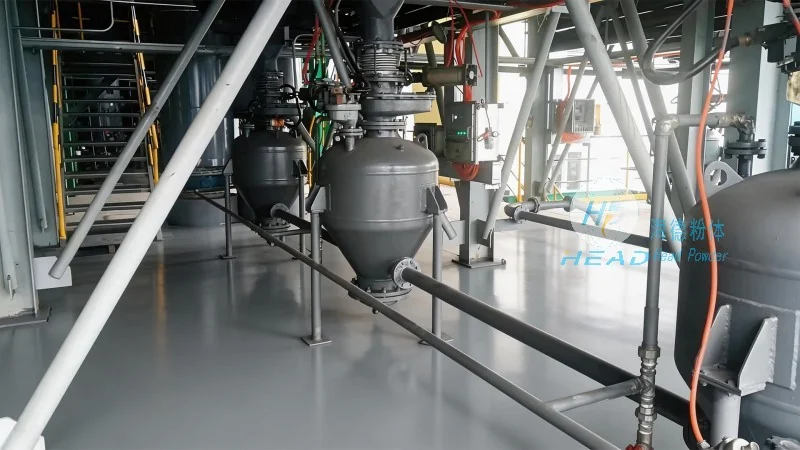
Next, a feeder or conveyor system is used to transport the gypsum from the storage silo to the processing equipment. For gypsum, which is a fine powder, a screw conveyor or a pneumatic conveyor (air slide) is commonly used. Screw conveyors are ideal for horizontal or slight incline transport, providing consistent flow and preventing material segregation. Pneumatic conveyors, on the other hand, use air pressure to move the powder through a pipeline, which is efficient for long-distance transport and can handle dusty environments.
Another critical component is the dust collection system. Gypsum is a hygroscopic material, meaning it absorbs moisture from the air, which can lead to clumping and blockages. The system includes a dust collector that captures airborne particles, preventing dust contamination and maintaining a clean working environment. This is often integrated with a filter system to ensure compliance with environmental regulations.
The design also emphasizes material compatibility and corrosion resistance. Gypsum can be slightly alkaline, so components such as hoppers, conveyors, and silos are typically made from stainless steel or other corrosion-resistant materials to prolong the system's lifespan. Additionally, the system is designed to minimize friction and wear, as fine powders can cause abrasion over time.
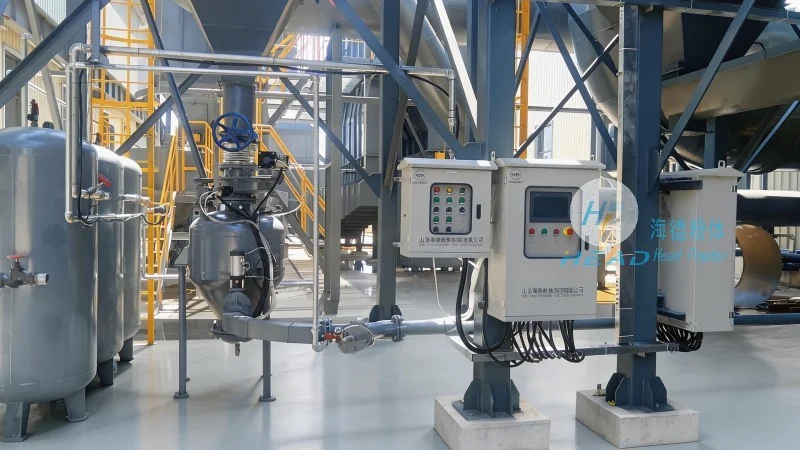
Advantages and Practical Applications
Implementing a gypsum powder material handling system offers numerous advantages for industrial operations. By streamlining the transport and storage of gypsum, companies can reduce labor costs, minimize material loss, and improve overall productivity. The system's design ensures that the powder remains in its optimal condition, preserving its quality for construction and manufacturing applications.
These systems are widely used in the production of gypsum boards, plaster, and other building materials. They are also applicable in industries that require fine powders for coating, blending, or packaging. The flexibility of the system allows it to adapt to different production scales, from small-scale operations to large industrial plants.