

What is a Battery Positive Electrode Material Material Handling System? And What Are Its Design Prin
Understanding the material handling systems for battery positive electrode materials is crucial in the modern battery manufacturing industry. These systems are engineered to efficiently transport and manage the raw materials and finished products related to the positive electrode components of lithium-ion batteries and other battery technologies. The design of such systems is tailored to meet the specific requirements of high-purity material handling, ensuring minimal contamination and optimal processing efficiency.
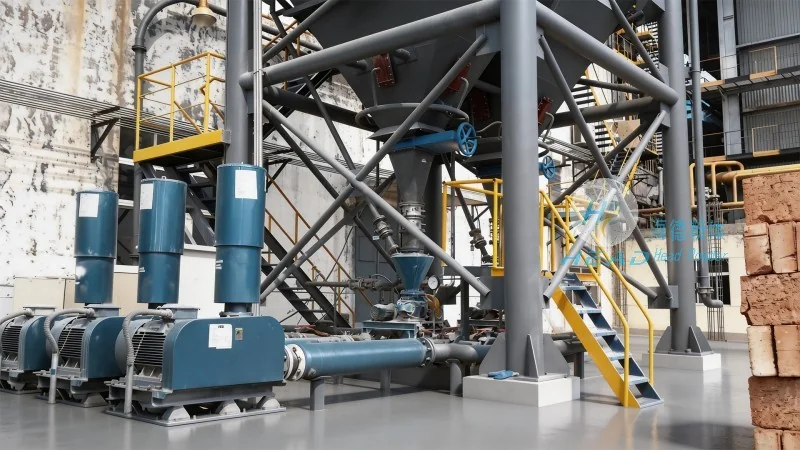
Battery Positive Electrode Material Handling System Overview
A battery positive electrode material handling system is a specialized industrial solution designed to handle the transportation, storage, and processing of materials used in the production of battery positive electrodes. These materials typically include precursors like lithium cobalt oxide (LCO), lithium nickel manganese cobalt oxide (NMC), lithium iron phosphate (LFP), and other active materials, as well as auxiliary components such as conductive additives and binders. The system integrates various components, including conveyors, hoppers, storage silos, and processing equipment, to create a seamless workflow from raw material intake to electrode production.
Key Components and Design Principles
The design of a battery positive electrode material handling system follows several core principles to ensure reliability, efficiency, and compliance with industry standards. One of the primary considerations is the need for a closed-loop system to prevent material contamination and cross-contamination between different material batches. This is achieved through the use of sealed hoppers, enclosed conveyor systems, and automated material transfer mechanisms.
Conveyors are a critical component, often utilizing screw conveyors, belt conveyors, or pneumatic conveying systems depending on the material properties and processing requirements. Screw conveyors are commonly used for bulk materials with moderate flowability, while pneumatic systems are preferred for fine powders that require gentle handling to avoid agglomeration. The choice of conveyor type is influenced by factors such as material density, moisture content, and particle size distribution.
Storage silos play a vital role in managing material inventory and ensuring a steady supply to the production line. These silos are typically made of stainless steel or other corrosion-resistant materials to accommodate the chemical properties of battery materials. The design includes features like level sensors and pressure relief valves to monitor and maintain safe operating conditions. Additionally, the silos are equipped with feeding mechanisms that allow for controlled discharge of materials into the downstream processing equipment.
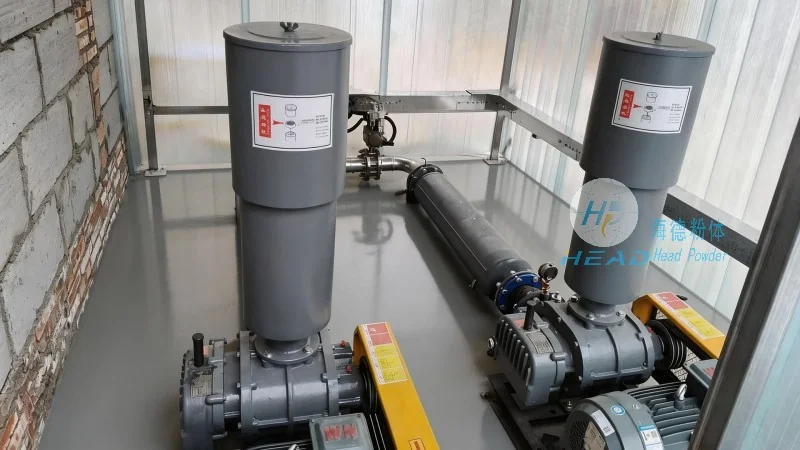
Process Flow and Automation
The material handling system operates on a predefined process flow that integrates material intake, storage, mixing, and transfer to the electrode production line. Automation is a key feature, with sensors and control systems monitoring each step of the process. For example, level sensors in the silos trigger the start of material feeding when the inventory reaches a certain threshold, while flow meters ensure consistent material flow rates. This automation minimizes human intervention, reduces operational errors, and enhances overall system efficiency.
Material mixing is another critical step in the process, where active materials, conductive additives, and binders are combined in precise ratios to achieve the desired electrode composition. The mixing equipment, such as high-shear mixers or twin-screw extruders, is integrated into the material handling system to ensure uniform mixing and prevent segregation of components. The mixed material is then transferred to the electrode formation equipment, where it is further processed into the final positive electrode sheets.
Material Handling Considerations for Battery Positive Electrodes
Handling battery positive electrode materials requires special attention to material properties and processing conditions. These materials are often fine powders with high surface energy, making them prone to agglomeration and dust generation. The system design must address these challenges through features like air filtration systems, dust collection, and enclosed processing areas. Additionally, the materials may be sensitive to moisture and oxygen, necessitating the use of inert gas environments or moisture-proof packaging to maintain material quality.
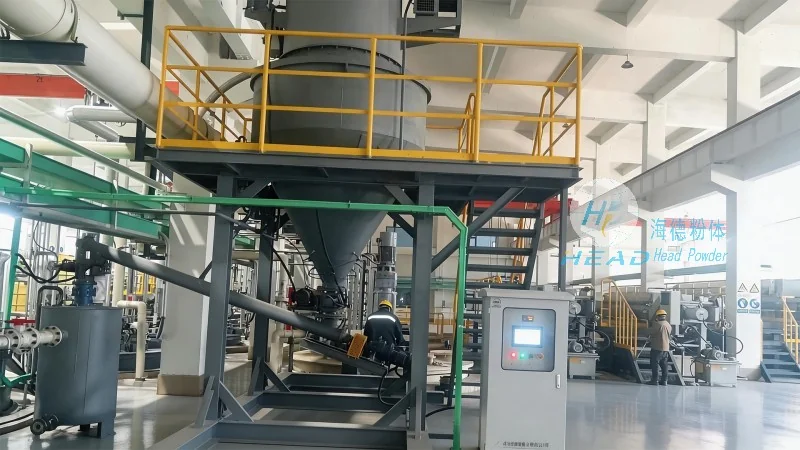
The system also needs to consider the mechanical properties of the materials, such as their flowability and compressibility. This influences the selection of conveyor speed, hopper design, and feeding mechanisms. For example, materials with poor flowability may require vibration or air-assisted feeding to ensure smooth material transfer. The design must also account for the potential for material degradation during handling, such as oxidation or chemical reactions, by implementing protective measures like nitrogen purging or temperature control.
Company Introduction: Shandong HeadPowder Engineering Co., Ltd.
Shandong HeadPowder Engineering Co., Ltd., commonly known as HeadPowder, is a leading provider of specialized material handling solutions for the battery and powder processing industries. With a focus on innovation and precision engineering, HeadPowder designs and manufactures systems tailored to the unique requirements of battery positive electrode material processing. The company's expertise lies in creating customized material handling systems that enhance production efficiency, ensure material purity, and meet the stringent quality standards of the battery manufacturing sector.
HeadPowder's systems are engineered to handle a wide range of battery materials, from high-purity active powders to complex composite materials. The company's team of engineers and technicians works closely with clients to understand their specific production needs and develop tailored solutions. By leveraging advanced materials science and industrial automation technologies, HeadPowder delivers systems that improve process reliability, reduce downtime, and enhance overall operational performance.
HeadPowder is committed to providing sustainable and efficient material handling solutions that support the growth of the battery industry. The company's facilities are located in Shandong, China, where it operates a state-of-the-art research and development center and manufacturing plant. This infrastructure enables HeadPowder to develop cutting-edge technologies and deliver high-quality products to clients worldwide.