

What Are Mine Material Handling Equipment? Understanding Their Design Principles
HeadPowder, a leading provider of mine material handling equipment, specializes in designing and manufacturing systems tailored to the unique needs of mining operations. With a strong commitment to quality and innovation, HeadPowder has established itself as a trusted partner in the mining industry, delivering reliable and efficient equipment that enhances operational performance. The company's headquarters is located in Shandong, China, where it leverages advanced engineering expertise and state-of-the-art manufacturing facilities to produce high-quality mine material handling solutions.
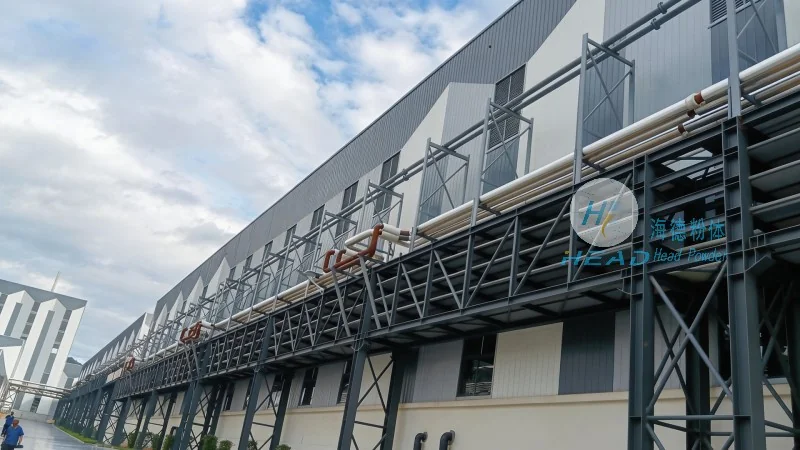
Introduction to Mine Material Handling Equipment
Mine material handling equipment plays a crucial role in the efficient operation of mining operations worldwide. These systems are designed to transport various materials such as ores, coal, and other minerals from one location to another within a mine site. The effectiveness of these equipment directly impacts the productivity and safety of mining activities. Understanding the design principles behind these systems is essential for optimizing performance and ensuring long-term reliability.
Design Principles of Mine Material Handling Equipment
The design of mine material handling equipment follows several key principles aimed at maximizing efficiency, safety, and durability. One of the fundamental principles is the consideration of material characteristics. Different materials have varying properties, such as size, density, and abrasiveness, which influence the choice of equipment and its components. For instance, high-abrasive materials may require specialized conveyor belts with reinforced surfaces to prevent wear and tear. Additionally, the design must account for the volume and flow rate of material to be handled, ensuring that the equipment can handle the required throughput without bottlenecks or overloading.
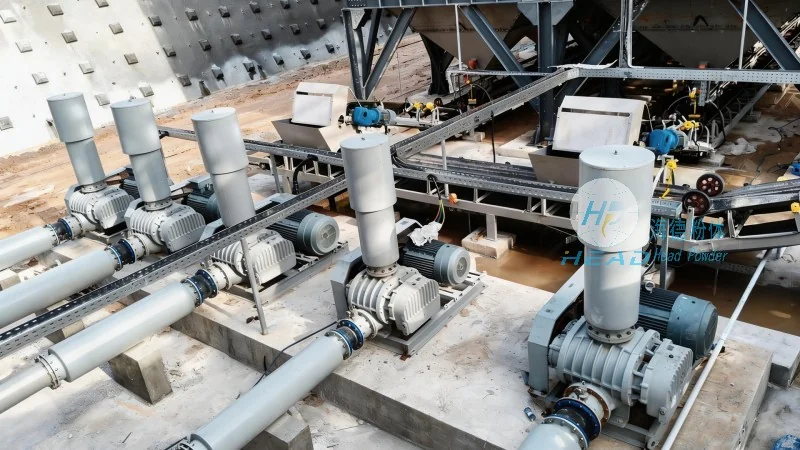
Another critical design principle is the emphasis on structural integrity and durability. Mining environments are often subject to heavy loads, vibrations, and extreme temperatures, which can impact the performance of equipment over time. Therefore, equipment is typically constructed using high-strength materials, such as steel and alloy components, to ensure longevity and minimal maintenance. The design also incorporates features like heavy-duty bearings, robust frames, and protective enclosures to shield components from damage and environmental degradation. This focus on durability helps reduce downtime and operational costs, which are critical factors in the mining industry.
Key Components and Their Functions
Mine material handling equipment consists of several interconnected components, each playing a vital role in the overall system. The primary components include the conveyor belt, drive system, idlers, and supporting structures. The conveyor belt is the core element that transports the material, and its design, including the type of belt material and thickness, is tailored to the specific material being handled. For example, rubber belts are commonly used for general-purpose applications, while steel or composite belts may be used for high-abrasive materials. The drive system, typically powered by electric motors, provides the necessary force to move the belt and maintain the desired speed. Idlers, which support the belt and guide its path, are designed to minimize friction and wear, ensuring smooth operation. Supporting structures, such as frames and supports, provide stability and alignment for the entire system.
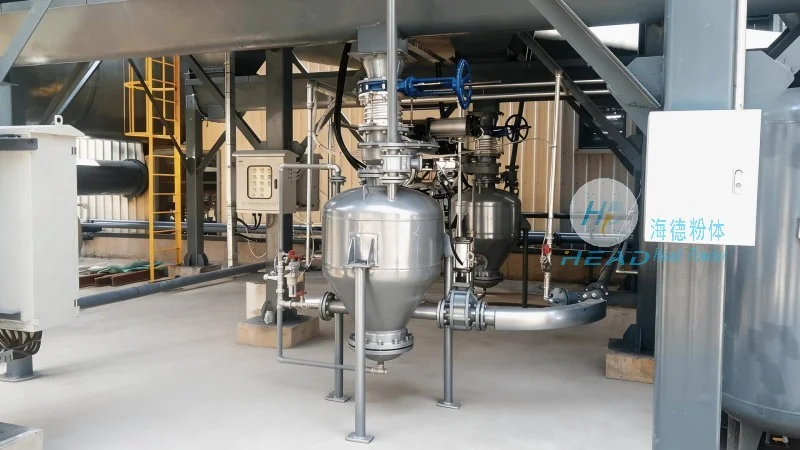
Operational Efficiency and Safety Considerations
Operational efficiency and safety are paramount in the design and implementation of mine material handling equipment. Efficiency is achieved through the optimization of speed, capacity, and energy consumption. Modern equipment often incorporates variable speed drives and control systems that adjust the conveyor speed based on the material flow, reducing energy waste and improving throughput. Additionally, the design may include features like load sensors and monitoring systems to detect overloads or blockages, preventing equipment damage and ensuring safe operation.
Safety considerations are integrated into every aspect of the equipment design. This includes the use of protective guards to prevent accidental contact with moving parts, emergency stop mechanisms, and safety interlocks. The equipment is also designed to minimize dust and noise pollution, which are common issues in mining operations. By prioritizing safety, mining companies can reduce the risk of accidents and maintain a secure working environment for their personnel. Furthermore, regular maintenance and inspection protocols are incorporated into the design to ensure that equipment remains in optimal condition and meets safety standards.
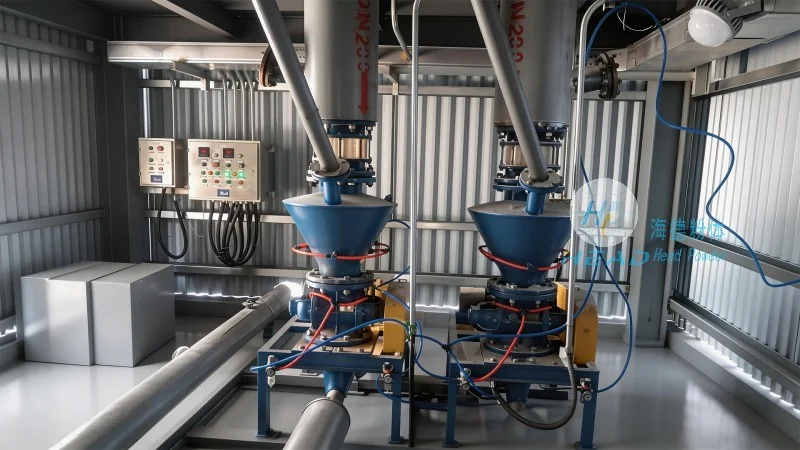
Customization and Adaptability
Given the diverse nature of mining operations, mine material handling equipment is often customized to meet specific requirements. This customization may involve adjusting the conveyor length, width, and inclination to suit the layout of the mine site. The equipment may also be adapted to handle different types of materials, such as ores, coal, or waste rock, by modifying the belt material, idler spacing, and drive power. Additionally, advanced technologies like automation and remote monitoring are increasingly integrated into equipment designs to enhance adaptability and operational flexibility. These features allow mining operations to respond quickly to changes in production needs or environmental conditions, ensuring continuous and efficient material handling.
Conclusion
Mine material handling equipment is a critical component of modern mining operations, and their design principles are centered on efficiency, durability, and safety. By carefully considering material characteristics, structural integrity, and operational requirements, these equipment are engineered to meet the demanding needs of the mining industry. The integration of advanced materials, control systems, and safety features ensures that mine material handling equipment can operate reliably and effectively, contributing to the overall success of mining operations. As mining technology continues to evolve, the design of these equipment will likely incorporate more innovative solutions to enhance performance and sustainability, further advancing the industry's capabilities.