

What is Magnesia Material Handling Equipment? What Are Its Design Principles?
Magnesia material handling equipment is a specialized type of machinery designed for the efficient transportation and processing of magnesia-based materials. These materials, often used in refractory applications, require equipment that can handle their unique properties, such as high temperature resistance and abrasive characteristics. Understanding the design principles behind such equipment is crucial for optimizing industrial operations in sectors like steelmaking, cement production, and chemical processing.
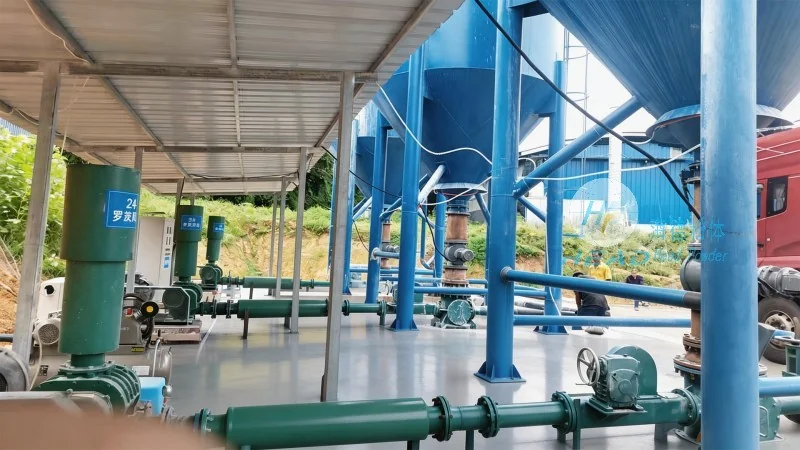
About Shandong HeadPowder Engineering Co., Ltd.
HeadPowder, the manufacturer behind these advanced material handling solutions, is a leading company based in Shandong, China. With a strong commitment to quality and innovation, HeadPowder specializes in engineering and manufacturing equipment tailored to the specific needs of the refractory industry. The company’s expertise lies in developing robust, reliable systems that ensure safe and efficient handling of magnesia and other similar materials.
Key Design Principles of Magnesia Material Handling Equipment
The design of magnesia material handling equipment revolves around several critical principles aimed at addressing the challenges posed by these materials. First, durability and corrosion resistance are paramount. Magnesia materials are often abrasive and can be reactive at high temperatures, so equipment components must be constructed from materials that can withstand these conditions without degradation. This includes the use of high-quality alloys, wear-resistant coatings, and robust structural designs.
Second, the equipment must ensure efficient material flow. Magnesia powders and granules need to be moved smoothly from storage to processing units, minimizing blockages and ensuring consistent throughput. This is achieved through careful consideration of hopper design, conveyor belt materials, and feeding mechanisms. For example, the use of special belts with anti-static properties is essential to prevent material buildup and ensure uniform movement.
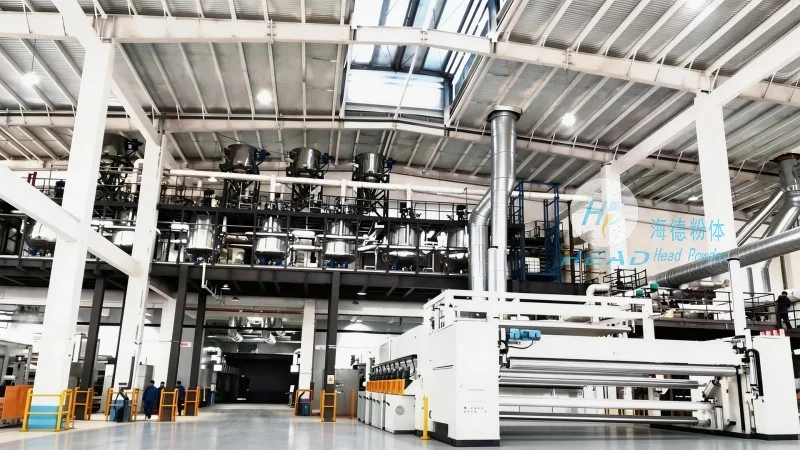
Third, safety and operational efficiency are integrated into the design. Magnesia handling equipment must comply with industrial safety standards to protect operators from dust exposure and mechanical hazards. Features like enclosed systems, dust collection units, and automated controls enhance both safety and operational efficiency. Additionally, the design often incorporates energy-saving mechanisms, such as variable speed drives, to reduce power consumption while maintaining performance.
Components and Functionality of Magnesia Material Handling Equipment
Magnesia material handling equipment typically consists of several key components that work in tandem to achieve effective material transport. The primary components include hoppers for material storage, conveyor systems (such as belt or screw conveyors) for horizontal and vertical movement, and feeding mechanisms to control the flow rate. Each component is engineered to handle the specific characteristics of magnesia, ensuring that the material is moved without degradation or loss.
Hoppers are designed with sloped sides to prevent material bridging and ensure smooth discharge. The material is then fed into the conveyor system, which may include belt conveyors for bulk material transport or screw conveyors for more precise control. The choice of conveyor type depends on the application and the physical properties of the magnesia material. For instance, belt conveyors are suitable for high-volume, low-density materials, while screw conveyors are ideal for handling fine powders or granules that require more controlled movement.
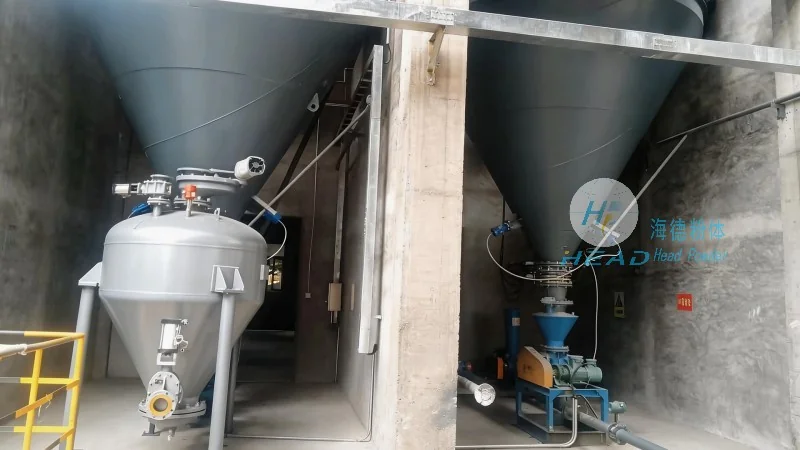
Feeding mechanisms, such as rotary valves or vibratory feeders, are used to regulate the flow of magnesia from the hopper to the conveyor. These devices ensure that the material is released at a consistent rate, preventing overloading or underloading of the conveyor system. Additionally, the equipment may include level sensors and control systems to monitor the material level in the hopper and adjust the feeding rate automatically, optimizing the overall process.
Applications and Benefits of Magnesia Material Handling Equipment
Magnesia material handling equipment is widely used in various industrial applications where magnesia-based materials are processed. In steelmaking, for example, magnesia is used to produce refractory linings for furnaces and converters. The equipment helps in transporting these materials from storage to the production line, ensuring a steady supply for the manufacturing process. Similarly, in cement production, magnesia is used as a raw material or additive, and the handling equipment facilitates its integration into the production process.
The benefits of using specialized magnesia material handling equipment are significant. By optimizing material flow and reducing downtime, these systems enhance overall productivity. The robust design of the equipment minimizes maintenance requirements, leading to lower operational costs over time. Additionally, the safety features integrated into the design protect workers from hazards associated with handling abrasive and potentially hazardous materials. This not only improves workplace safety but also complies with regulatory standards, reducing the risk of accidents and legal issues.