

What Are Paper Chip Material Handling Equipment? And What Are Their Design Principles?
When it comes to industrial material handling, paper chip material handling equipment plays a crucial role in various manufacturing and processing industries. These specialized systems are designed to efficiently transport, sort, and manage paper chips, which are often byproducts of paper and pulp production processes. Understanding what these equipment are and how their design principles work is essential for optimizing workflow and ensuring operational efficiency in industrial settings.
Paper Chip Material Handling Equipment: An Overview
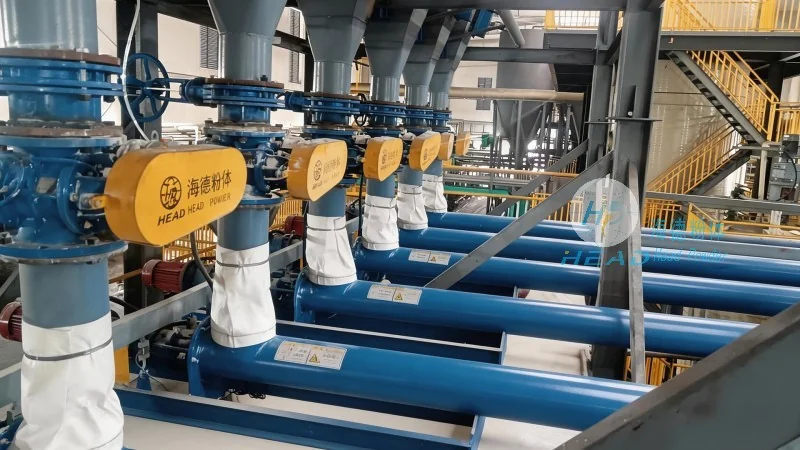
Paper chip material handling equipment encompasses a range of machinery and systems engineered to handle paper chips, which are typically fibrous materials resulting from the pulping process. These chips are often used in the production of paper products, packaging materials, and other paper-based goods. The primary functions of these equipment include transporting chips from one location to another, storing them in designated areas, and preparing them for further processing. The design of these systems is tailored to the specific characteristics of paper chips, such as their size, density, and moisture content, to ensure optimal performance and minimal material loss.
Key Components and Design Principles
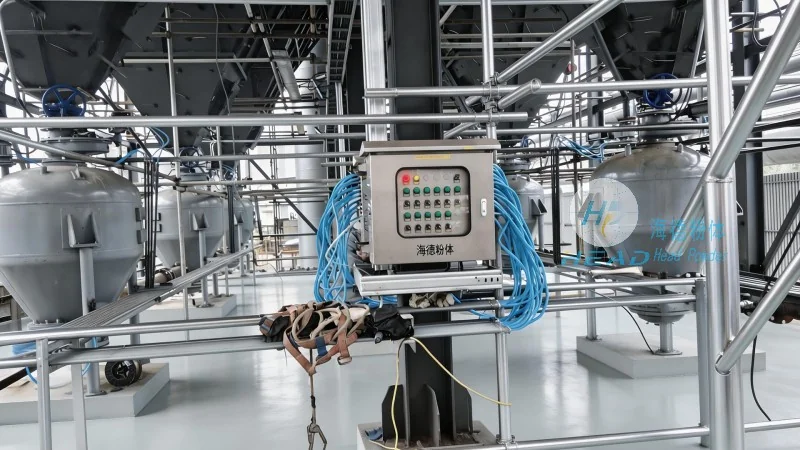
The design of paper chip material handling equipment is based on several fundamental principles that ensure efficient operation. One of the core components is the conveyor system, which may include belt conveyors, screw conveyors, or chain conveyors, depending on the application. These conveyors are designed to handle the fibrous nature of paper chips, preventing clogging and ensuring smooth material flow. Another critical component is the feeding mechanism, which may involve hoppers or feeders that control the rate at which chips are introduced into the system. This helps maintain consistent material flow and prevents overloading of the conveyor. Additionally, the equipment may include sorting mechanisms, such as screens or air classifiers, to separate chips based on size or density, improving the quality of the final product.

Operational Efficiency and Maintenance
Efficient operation of paper chip material handling equipment is crucial for maintaining productivity in industrial settings. Regular maintenance is essential to ensure that all components are functioning properly and to prevent breakdowns. This includes cleaning the conveyor belts, checking the condition of the feeding mechanisms, and inspecting the sorting components for any signs of wear or damage. Proper maintenance not only extends the lifespan of the equipment but also reduces downtime and operational costs. Additionally, the design of these systems often incorporates features that enhance operational efficiency, such as variable speed controls that allow for adjustments based on the volume of material being handled. This flexibility ensures that the equipment can adapt to changing production demands and maintain optimal performance.
About Shandong HeadPowder Engineering Co., Ltd.
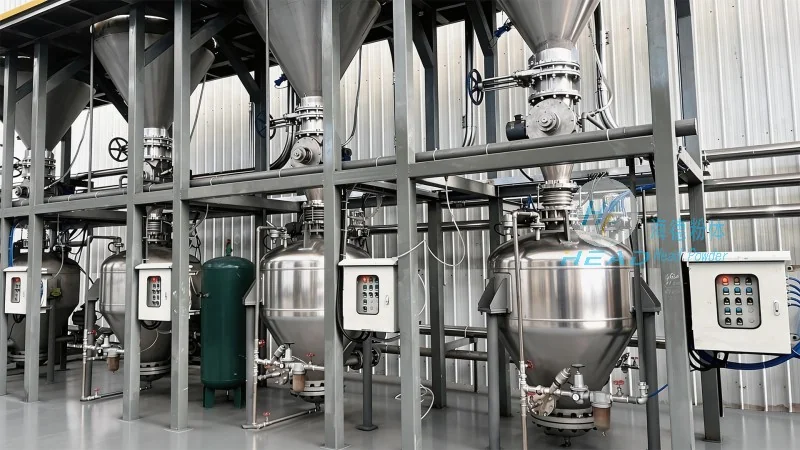
HeadPowder, a leading manufacturer of paper chip material handling equipment, is dedicated to providing high-quality solutions for industrial material handling needs. With years of experience in the industry, HeadPowder has developed a range of equipment tailored to the specific requirements of paper and pulp processing facilities. The company's products are designed with precision engineering and advanced technology to ensure reliability, efficiency, and durability. HeadPowder's commitment to quality and customer satisfaction has made it a trusted partner for many industrial clients. The company is headquartered in Shandong, China, and serves clients worldwide with its innovative and reliable material handling solutions.