

What is Calcium Chloride Material Handling Equipment? And What Are Its Design Principles?
Calcium chloride is a widely used chemical compound in various industrial applications, and the efficient handling and transportation of this material are crucial for many processes. The equipment designed for calcium chloride material handling plays a vital role in ensuring the smooth operation of production lines. This article will explore the types of equipment used for calcium chloride material handling and delve into the fundamental design principles that govern their operation.
Understanding Calcium Chloride Material Handling Equipment
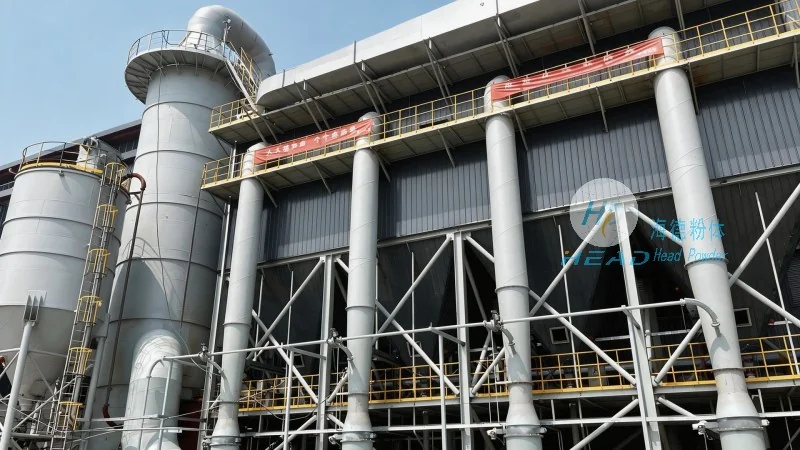
Calcium chloride material handling equipment is specifically engineered to manage the storage, transfer, and processing of calcium chloride. This chemical, known for its hygroscopic properties and high solubility, requires specialized equipment to handle safely and effectively. The equipment typically includes components such as storage silos, conveyors, pumps, and handling systems that are designed to accommodate the unique characteristics of calcium chloride, including its tendency to absorb moisture and its potential to cause corrosion in certain materials.
Key Design Principles for Calcium Chloride Handling Equipment
The design of calcium chloride material handling equipment is guided by several critical principles to ensure safety, efficiency, and durability. First, the equipment must be constructed from materials that are resistant to corrosion caused by calcium chloride, such as stainless steel or specialized alloys. This prevents material degradation and ensures long-term reliability. Second, the design must incorporate features that minimize the risk of dust generation and exposure, as calcium chloride dust can be hazardous to human health. Enclosed systems, dust collection mechanisms, and proper ventilation are essential components in the design. Third, the equipment is engineered to handle the high moisture content of calcium chloride, often incorporating drying or moisture control systems to maintain the material's quality. Finally, the design prioritizes ease of maintenance and cleaning, as calcium chloride can leave residues that may affect the performance of the equipment over time.
Components of Calcium Chloride Material Handling Systems
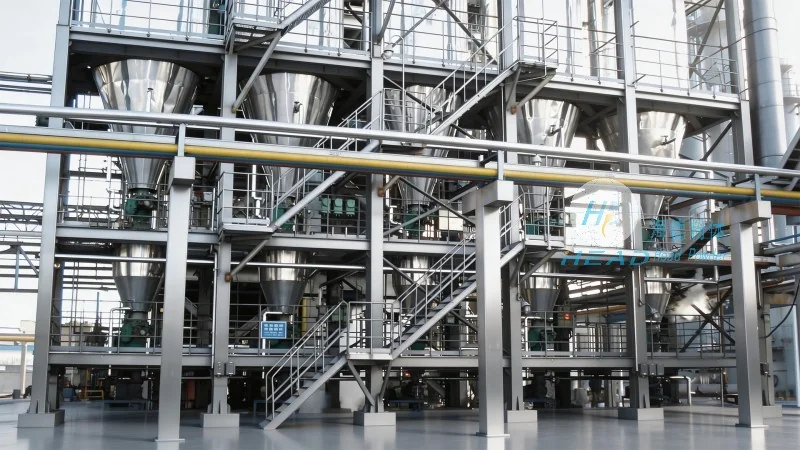
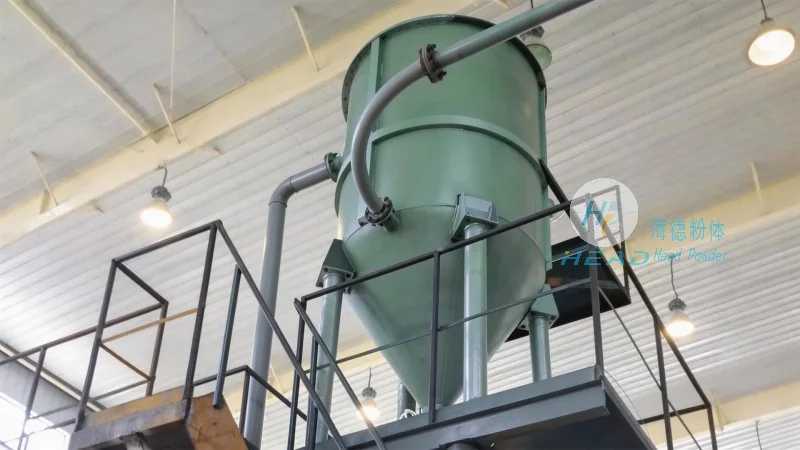
A typical calcium chloride material handling system consists of several interconnected components that work together to facilitate the material's movement. The primary components include storage silos or hoppers, which are used to store the bulk material. These containers are often equipped with agitators or level sensors to monitor the material's quantity and prevent overfilling. From the storage silos, the material is transferred to conveyors or pumps for transportation. Conveyors, such as belt or screw conveyors, are commonly used for horizontal or slight incline transport, while pumps, particularly centrifugal or positive displacement pumps, are employed for vertical or long-distance transport. The system may also include feeding mechanisms, such as rotary valves or feeders, to regulate the flow of calcium chloride into the next stage of processing. Additionally, the system may incorporate dust suppression systems and safety interlocks to ensure compliance with occupational health and safety regulations.
Applications and Benefits of Calcium Chloride Handling Equipment
The use of specialized calcium chloride material handling equipment offers numerous benefits across various industries. In the construction industry, calcium chloride is used as a de-icing agent and a concrete accelerator, and the equipment ensures that the material is delivered to job sites in a controlled manner, maintaining its effectiveness. In the chemical industry, calcium chloride is used in the production of other chemicals and in water treatment processes, where the equipment helps maintain consistent quality and prevents contamination. The benefits of using properly designed equipment include improved operational efficiency, reduced downtime due to equipment failure, enhanced safety for personnel, and compliance with environmental regulations. By investing in high-quality calcium chloride material handling equipment, businesses can optimize their production processes and minimize the risks associated with handling this potent chemical.
About Shandong HeadPowder Engineering Co., Ltd.
Shandong HeadPowder Engineering Co., Ltd., commonly known as HeadPowder, is a leading manufacturer of specialized material handling equipment for various industrial applications. With a focus on innovation and quality, HeadPowder has developed a range of equipment tailored to handle challenging materials like calcium chloride. The company's expertise lies in designing and manufacturing equipment that meets the specific needs of clients, ensuring durability, safety, and efficiency. HeadPowder's commitment to customer satisfaction and technical excellence has made it a trusted partner for businesses in need of reliable calcium chloride material handling solutions. Based in Shandong, China, HeadPowder leverages its local resources and industry knowledge to provide top-tier equipment and services to clients worldwide.