

What is a Quicklime Material Handling Conveyor? Understanding Its Design Principles
Quicklime, also known as calcium oxide, is a crucial industrial material widely used in various sectors such as construction, chemical manufacturing, and environmental treatment. The efficient handling and transportation of quicklime are essential for maintaining production efficiency and safety. This article, produced by Shandong HeadPowder Engineering Co., Ltd., a leading provider of industrial material handling solutions, delves into the concept of a quicklime material handling conveyor and explores the underlying design principles that make such systems effective and reliable.
Introduction to Quicklime Material Handling Conveyors
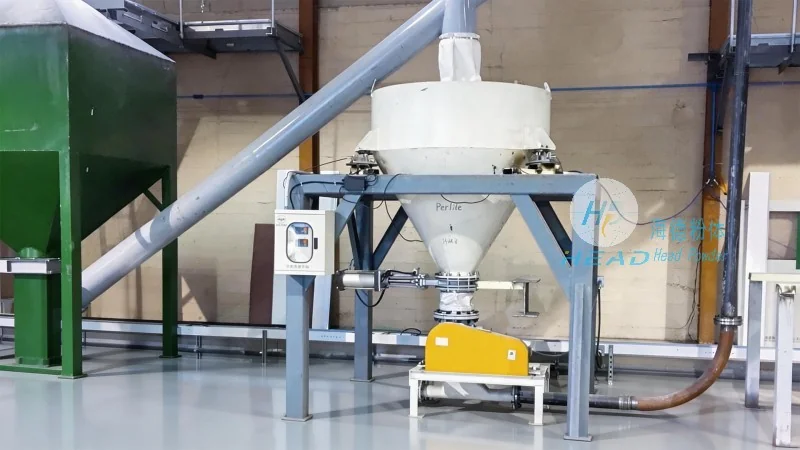
A quicklime material handling conveyor is a specialized industrial system designed to transport quicklime from storage areas to processing units or other destinations within a facility. These systems are engineered to handle the unique properties of quicklime, including its high reactivity, dustiness, and potential for generating heat during handling. The primary goal of such a conveyor is to ensure safe, efficient, and continuous material flow while minimizing the risk of dust exposure and equipment damage.
Key Components of a Quicklime Material Handling Conveyor
The design of a quicklime material handling conveyor typically involves several key components that work in tandem to achieve optimal performance. These components include:
1. Feeding Mechanism: This component is responsible for transferring quicklime from its storage silo or hopper into the conveyor system. It may include a rotary valve, a screw feeder, or a pneumatic feeder, depending on the system's design and the material's characteristics. The feeding mechanism is designed to handle the material's flow properties and prevent blockages or overloading.
2. Conveyor Belt or Chain: The core of the material handling system, the conveyor belt or chain is made from materials that are resistant to the chemical and thermal effects of quicklime. Common materials include rubber, polyurethane, or specialized alloys that can withstand exposure to calcium oxide and the heat generated during transport.
3. Idlers and Supports: These components support the conveyor belt or chain and maintain its proper alignment. Idlers are typically made from materials that are resistant to corrosion and wear, ensuring long-term durability and minimal maintenance.
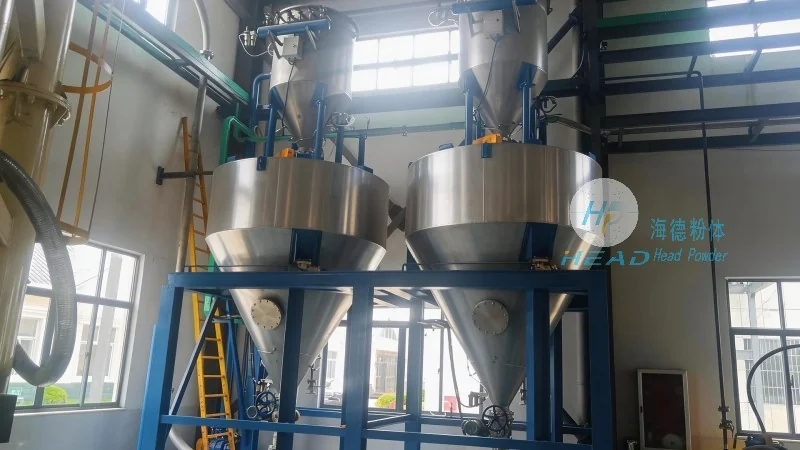
4. Drive System: The drive system provides the necessary power to move the conveyor belt or chain. It may include electric motors, gearboxes, and control systems that allow for precise speed adjustment and operation. The drive system is designed to handle the load and friction associated with transporting quicklime, ensuring smooth and continuous operation.
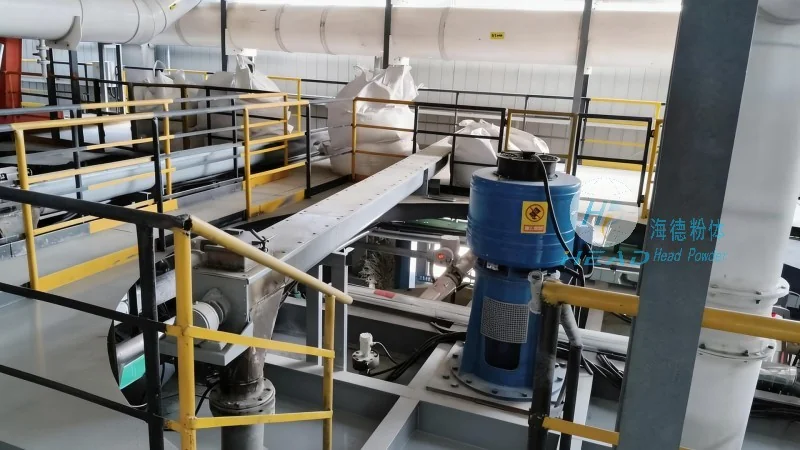
5. Dust Control and Safety Features: Quicklime is a fine, powdery material that can create significant dust during handling. Therefore, modern quicklime material handling conveyors are equipped with dust control measures such as enclosed systems, dust collection hoods, and filtration units. Additionally, safety features like emergency stop buttons, protective guards, and monitoring systems are integrated to ensure operator safety and compliance with industrial regulations.
Design Principles for Optimal Performance
The design of a quicklime material handling conveyor is guided by several key principles to ensure efficiency, safety, and longevity. These principles include:
1. Material Compatibility: All components of the conveyor system must be compatible with quicklime. This includes the conveyor belt material, idlers, and other parts, which should be resistant to chemical attack and thermal degradation. Using inappropriate materials can lead to premature wear, failure, and increased maintenance costs.
2. Minimizing Dust Generation: Dust control is a critical design consideration. Enclosed conveyor systems, proper sealing, and efficient dust collection systems are essential to prevent dust from escaping into the workplace and causing health hazards or equipment damage. This not only ensures safety but also maintains the quality of the quicklime by preventing contamination.
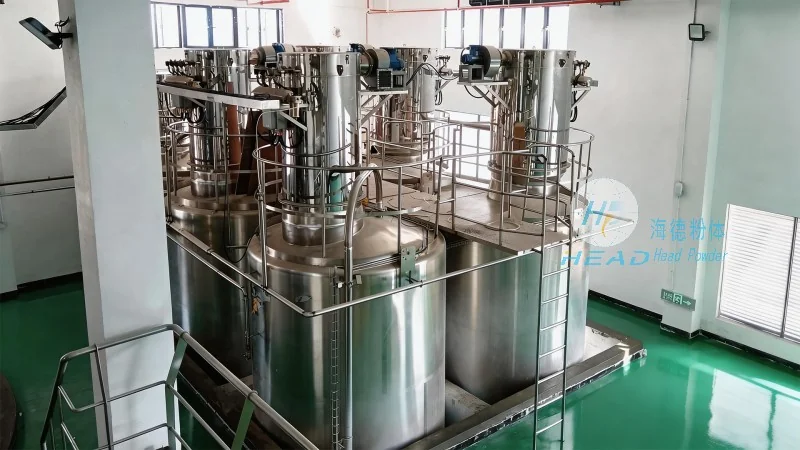
3. Preventing Heat Buildup: Quicklime can generate heat during handling due to its exothermic reactions with moisture or other substances. The design must incorporate features to dissipate heat effectively, such as cooling systems or materials with high thermal conductivity. This prevents overheating, which can damage the conveyor components and reduce the system's lifespan.
4. Ensuring Proper Flow and Load Distribution: The conveyor system must be designed to handle the material's flow characteristics, including its bulk density and angle of repose. Proper load distribution and speed control are crucial to prevent material buildup, blockages, or uneven wear on the conveyor components. This ensures consistent and reliable material transport.
5. Adherence to Safety Standards: The design must comply with relevant industrial safety standards and regulations. This includes features like protective guards, emergency stop mechanisms, and monitoring systems that alert operators to any issues or deviations from normal operation. Compliance with these standards ensures the safety of workers and the integrity of the production process.
Applications and Benefits of Quicklime Material Handling Conveyors
Quicklime material handling conveyors are widely used in various industries where quicklime is a key component. Some common applications include:
1. Construction and Building Materials: Quicklime is used in the production of cement, mortar, and other building materials. The conveyor system efficiently transports quicklime from storage to the production line, ensuring a steady supply for manufacturing processes.
2. Chemical Manufacturing: In chemical plants, quicklime is used in the production of calcium-based chemicals, such as calcium chloride and calcium carbonate. The conveyor system facilitates the transfer of quicklime to reactors and processing units, enabling smooth chemical reactions and production.
3. Environmental Treatment: Quicklime is used in water treatment and flue gas desulfurization processes to neutralize acidic substances. The conveyor system ensures the safe and efficient delivery of quicklime to these treatment units, contributing to environmental protection efforts.
4. Food and Agriculture: In some applications, quicklime is used in the food industry for pH adjustment and in agriculture for soil treatment. The conveyor system helps in the handling and distribution of quicklime in these sectors, supporting various industrial and agricultural processes.
Overall, the benefits of using a well-designed quicklime material handling conveyor include improved production efficiency, reduced labor costs, enhanced safety, and minimized environmental impact. By ensuring the safe and efficient transport of quicklime, these systems play a vital role in the success of various industrial operations.
Conclusion
A quicklime material handling conveyor is a sophisticated industrial system that combines advanced engineering and safety features to efficiently transport quicklime. The design principles, including material compatibility, dust control, and heat management, are critical to the system's performance and longevity. As an essential component in many industrial processes, such conveyors contribute significantly to production efficiency and safety. For companies dealing with quicklime, investing in a well-designed material handling system is a strategic decision that ensures smooth operations and compliance with industry standards.